What Can I Say
What can I say that I have not said before?
So I’ll say it again.
The leaf has a song in it.
Stone is the face of patience.
Inside the river there is an unfinishable
story
and you are somewhere in it
and it will never end until all ends.
Take your busy heart to the art museum
and the chamber of commerce
but take it also to the forest.
The song you heardsinging in the leaf when
you
were a child
is singing still.
I am of years lived, so far, seventy-four,
and the leaf is singing still.
これまで言わなかったことを、私が言えるだろうか?
だからもう一度言おう。
葉には歌がある。
石は忍耐の顔だ。
川の中には、終わることのない物語がある。
そして、あなたはそのどこかにいる。
そして、すべてが終わるまで、それは決して終わらない。
忙しい心を美術館や商業の中心地へ持っていきなさい。
そして、森へも持っていきなさい。
あなたが子供の頃、葉の中で歌っていた歌は、
今も歌っている。
私はこれまで生きてきた。
74歳だ、
そして、葉は今も歌っている。
Wild
Geese / 野生の雁
You do not have to be good. (いい人になろうとしなくていい。)
You do not have to walk on your knees for a hundred miles through the desert, repenting. (悔い改めるために、砂漠の中を 何マイルも膝で這って歩かなくていい。)
You only have to let the soft animal of your
body love what it loves. (ただ、あなたの体の内側にある柔らかな動物に、
それが愛するものを、愛させてあげればいい。)
Tell me about despair, yours, and I will
tell you mine. (あなたの絶望を話しなさい、そうすれば私も自分の話をしよう。)
Meanwhile the world goes on. (そうしている間にも、世界は動き続けている。)
Meanwhile the sun and the clear pebbles of
the rain are moving across the landscapes, over the prairies and the deep trees, the mountains and the rivers. (太陽と、雨の澄んだ粒が、 草原を、深い森を、
山々を、そして川を越えて、 景色の中を通り過ぎていく。)
Meanwhile the wild geese, high in the clean
blue air, are heading home again. (澄み渡った青空の高くを、野生の雁たちが
再び故郷を目指して飛んでいる。)Whoever you are, no matter how lonely, the world offers itself to your imagination, calls to you like the wild geese, harsh and
exciting ? (あなたが誰であろうと、どれほど孤独であろうと、
世界はあなたの想像力に向かって心を開き、
野生の雁のように、鋭く、情熱的な声で呼びかけてくる。)
over and over announcing your place in the family of things. (何度も、何度も、告げながら。 この万物という家族の中に、あなたの居場所があるのだと。)
.jpg)
この詩が教えてくれること
「柔らかな動物(soft animal)」: 彼女は私たちに、理性や道徳に縛られすぎるのではなく、生き物としての素直な感覚を大切にするよう促しています。「万物という家族(family of things)」: 私たちは孤独を感じることもありますが、木々や川、そして空を飛ぶ雁と同じ「世界の一部」であり、最初から拒絶などされていないというメッセージです。
Of Time (My wife's name is Rumi)
Don’t even ask how repidly the hummingbird
lives his life.
You can't imagine. A thousand flowers a
day,
a little sleep, then the same again,
then
he vanishes.
I adore him.
Yet I adore also the drowse of mountains.
And in the human world, what is time?
In my mind there is Rumi, dancing.
There is Li Po drinking from the winter
stream.
There is Hafiz strolling through Shariz,
his feet
loving the dust.
ハチドリがどれだけ素早く人生を生きているか、聞かないで。
想像もできないでしょう。
一日に千本の花を咲かせ、
少し眠り、また同じ眠りにつき、そして 消える。 私はハチドリを崇拝する。
しかし、私は山のまどろみも崇拝する。
そして人間の世界では、時間とは何か?
私の心の中には、踊るルミがいる。
冬の小川からインクを吸い込むリ・ポーがいる。
シャリーズを散歩するハフィズがいる。彼の足は
埃を愛している。
詩に登場する「永遠を生きる」人々
-
ルーミー (Rumi): 13世紀のイスラム神秘主義詩人。旋回舞踊(セマー)を通じて神との一体感を求めたことで知られています。詩の中の「踊り」は、激動の中にある静止、あるいは歓喜を象徴しています。
-
李白 (Li Po): 中国・唐代の詩仙。自然を愛し、酒を愛し、世俗に縛られない自由な魂の象徴です。冷たい「冬の流れ」を飲む姿は、厳しい自然すらも風流として受け入れる孤高さを表しています。
-
ハフィズ (Hafiz): 14世紀ペルシャの詩人。シラーズ(イランの都市)を愛しました。足元の「埃(塵)」を慈しむという表現は、この世の最も卑近で、はかないものの中にさえ神聖さを見出す彼の哲学を反映しています。
.jpg)
.jpg)
1. 善悪を超えた野原 ルーミーの思想を最も象徴する、非常に有名な一節です。
「正しい行いと、誤った行いの考えを超えたところに、 広大な野原がある。 そこであなたと会いましょう。魂がその草むらに横たわるとき、 世界は言葉で語り尽くせないほどに満たされ、 言葉も、思想も、『お互い』という概念すら、 もはや意味をなさなくなるのです」
私たちはつい「正しいか、間違いか」で人を裁いてしまいますが、ルーミーはその二元論を超えた「愛の地平」があると言います。そこでは対立はなく、ただ存在が溶け合うだけだという教えです。
2. ゲストハウス(旅籠) 人生の本質を「宿屋」に例えた、心強い詩です。
「人間であるということは、ゲストハウスであるということ。 毎朝、新しい客がやってくる。喜び、絶望、卑しさ、 一瞬の気づきなどが、 予期せぬ訪問者としてやってくる。そのすべてを歓迎し、もてなしなさい。 たとえそれが、家の中の家具を 激しく掃き出すような『悲しみの群れ』であっても。どの客も、あなたを清めるために、 遠い場所から送られてきたガイドなのだから」
辛い感情すらも「自分を成長させるための客」として受け入れる。メアリー・オリバーがハチドリの激しい生を肯定する姿勢とも、どこか通じるものがあります。
3. 愛の海へ 自分自身の小ささに悩む人へ向けた言葉です。
「あなたは、海の中の一滴のしずくではない。 一滴のしずくの中にある、広大な海そのものなのだ」
私たちは自分をちっぽけな存在だと思いがちですが、ルーミーは「あなたの内側には全宇宙(海)が宿っている」と説きました。
| 詩人 |
時代 / 地域 |
主なテーマ |
時間の捉え方 |
| ルーミー |
13世紀 / ペルシャ(現トルコ) |
神との合一・狂喜 |
円環。 旋回舞踊のように、始まりも終わりもない永遠の「今」を踊る。 |
| 李白 |
8世紀 / 中国(唐) |
仙境・孤独・無常 |
流水。 「行く川の流れ」のように、二度と戻らない一瞬を、酒と自然の中で愛でる。 |
| ハフィズ |
14世紀 / ペルシャ(現イラン) |
愛・現世の美・神秘 |
刹那。 足元の土埃や花の香りなど、目の前にある「美」の中に神聖さを見る。 |
「不信仰とイスラームの外側に、ひとつの野原がある。
私たちの心はその空間の中にある。 真理を知る者がそこに辿り着けば、ただ頭を垂れる。
そこには不信仰もイスラームも、いかなる境界も存在しない。」
On the Beach
On the bech, at dawn:
four small stones clealy
hugging each other.
How many kind of love
might there be in the world,
and how many formations might they make
and who am I ever
to imagine I could know
such a marvelous business?
When the sun broke
it poured willingly its light
over the stones
that did not move, not at all,
just as, to its always generous term,
it shed its light on me,
my own body that loves,
equally, to hug another body.
夜明けの浜辺で。
四つの小さな石が、
寄り添い合うように重なっていた。
この世界には、一体どれほどの種類の愛があり、
どれほど多くの形を成すというのだろう。
これほどまでに素晴らしい営みを、
「知っている」などと空想できる私は、
一体何者だというのか。
太陽が昇ると、
その光は惜しみなく降り注いだ。
一歩も動かない石たちの上にも。
そして、常に寛大なそのあり方のままに、
太陽は私にも光を注いだ。
他の誰かを抱きしめるのが大好きな、
この私の体の上にも。
.jpg)
How Perfetly
How Perfectly
and neatly
opens the pink rose
this bright morning,
the sun warm
on my shulders,
its heat
on the opening petals.
Possibly
it is the smallest,
the least important event
at this moment
in the whole world.
Yet I stand there,
utterly happy.
なんと完璧に、そして端然と
この輝かしい朝、ピンクの薔薇は開くことか。
私の肩には太陽が暖かく、
その熱は、ほころびはじめた花びらの上にもある
おそらくこれは、今この瞬間、
全世界で起きていることの中で もっとも小さく、
もっとも些細な出来事だろう。
それなのに私はそこに立ちつくし、
ただただ、幸せに包まれている。
The petals are so soft, so many, they are like a poem that does not need words. And I think: how could I have ever been or
felt anything but this wild and amazing thing
? being alive?花びらはとても柔らかく、とても多く、まるで言葉を必要としない詩のようです。そして私は思います。この野生的で素晴らしいもの、つまり生きていること以外のものを、どうして私は感じることができたのでしょうか。
.jpg)
How I Go to the Woods
Ordinariyy I go to the woods alone, with
not a singje
friend, for they are all smilers and therefore
unsuitable.
I don't really want to be witnessed taiking
to the catbirds
or hungging the old black osk tree. I have
my way of
prying, as you no doubt have yours.
Besides, when I am alone I can become invisible.
I can sit
on the top of a dune as motionless as an
uprise of weeds,
until the foxes run by unconcerned. I can
hear the almost
unhearable sound of the roses singing.
・
If you have ever gone to the woods with
me., I must love
you very much.
ふだん、私は一人で森へ行きます。友だちは誰一人連れて行きません。
彼らはみんな「愛想笑い」をする人たちで、そうなると、この場所にはふさわしくないからです。
ネコマネドリに話しかけているところや、古いクヌギの木を抱きしめているところを、
誰かに見られたいとは思いません。私には私なりの祈り方があり、
あなたにはあなたなりの祈り方があるはずです。
それに、一人のとき、私は「透明」になれるのです。砂丘の上に雑草のごとく微動だにせず座り、
キツネたちが気にも留めずに通り過ぎていくのを待つこともできます。
バラたちが歌う、ほとんど耳には聞こえないほどの歌声を聞くことだってできるのです。
……
もし、あなたが私と一緒に森へ行ったことがあるのだとしたら。
それは、
私があなたのことを、よほど深く愛しているということなのです。
.jpg) この詩は、単なる「自然散策のすすめ」ではありません。
「誰にも邪魔されない孤独の中でしか癒やされない傷があること」、そして「その孤独を共有できる相手こそが、真に愛する人である」という、静かですが非常に情熱的な愛の告白でもあります。
この詩は、単なる「自然散策のすすめ」ではありません。
「誰にも邪魔されない孤独の中でしか癒やされない傷があること」、そして「その孤独を共有できる相手こそが、真に愛する人である」という、静かですが非常に情熱的な愛の告白でもあります。
『野生の雁(Wild Geese)』
by Mary Oliver
You do not have to be good.
You do not have to walk on your kneesfor a hundred miles through the desert, repenting.
You only have to let the soft animal of your body love what it loves.
Tell me about despair, yours, and I will
tell you mine.
Meanwhile the world goes on.
Meanwhile the sun and the clear pebbles of the rain are moving across the landscapes, over the prairies and the deep trees, the mountains and the rivers.
Meanwhile the wild geese, high in the clean blue air,are heading home again.(Meanwhile the wild geese, high in the clean blue air, are heading home again. Whoever you are, no matter how lonely, the world offers itself to your imagination, calls to you like the wild geese, harsh and exciting
? over and over announcing your place in the family of things.
Whoever you are, no matter how lonely, the world offers itself to your imagination, calls to you like the wild geese, harsh and
exciting?
over and over announcing your place in the family of things.
いい子になろうとしなくてもいい。 後悔しながら、何マイルも続く砂漠を
膝をついて歩かなくてもいい。 ただ、あなたの体という柔らかい動物に、
その愛するものを愛させてあげればいい。
あなたの絶望を教えて。そうすれば私の絶望も教えよう。
その間にも、世界は動き続けている。 その間にも、太陽と雨の透明な粒子は
風景の中を横切っていく、 草原や深い木々を、
山々や川を越えて。 その間にも、野生の雁たちは、澄んだ青い空を高く、
再び家へと向かっている。(一方、澄み切った青い空を高く飛ぶ雁たちは、故郷へと帰ろうとしている。あなたが誰であろうと、どれほど孤独であろうと、世界はあなたの想像力に身を委ね、雁のように厳しくも刺激的にあなたを呼びかけ、物という家族におけるあなたの居場所を何度も告げている。)
あなたが誰であれ、どんなに孤独であれ、 世界はあなたの想像力に向かって心を開いている。
野生の雁たちが、荒々しく、しびれるような声で
何度も何度も、あなたに叫びかけている。 この世界の家族の中に、
あなたの場所があるのだと。
.jpg)
A Fox in the Dark
A fox goes by
in the headlights
like an electric shock.
Then he pauses
at the edge of the road
and the heart, if it is still alive,
feels someting ―
a yearning
for which we have no name
but which we may remember,
years later,
in the darkness,
upon some other empty road.
キツネがヘッドライトに照らされて、まるで電撃のように通り過ぎていく。
そして道の端で立ち止まり、もしまだ生きているのなら、
心は何かを感じる。―
それは名前のつかない憧れだが、
何年も経った後、暗闇の中で、
どこか別の空いている道で思い出すかもしれない。
As I drove through the night, my headlights
illuminated a cat. Then the cat froze in
place..jpg) I have been remember too.
I have been remember too.
The Thought-Fox
I imagine this midnight moments forest: Something
else is alive Beside the clock’s loneliness
And this blank page where my fingers move.Through
the window I see no star: Something more
near Though deeper within darkness Is entering
the loneliness:Cold, delicately as the dark
snow A fox’s nose touches twig, leaf; Two
eyes serve a movement, that now And again
now, and now, and nowSets neat prints into
the snow Between trees, and warily a lame
Shadow lags by stump and in hollow Of a body
that is bold to comeAcross clearings, an
eye, A widening deepening greenness, Brilliantly,
concentratedly, Coming about its own businessTill,
with a sudden sharp hot stink of fox, It
enters the dark hole of the head. The window
is starless still; the clock ticks, The page
is printed.
.jpg)
 by Ted Hughes
テッド・ヒューズが『The Thought-Fox(思考の狐)』を書くきっかけとなった、強烈で奇妙な「夢」のエピソード。
それは、ヒューズがケンブリッジ大学で英文学を学んでいた学生時代のことです。当時、ヒューズは大学での「文学批評(作品を細かく分析・解体すること)」という学問にひどく苦しんでいました。批評に没頭するあまり、自分自身の創造性や、詩を書くための自由な感性が死んでいくような感覚に陥り、ひどいスランプの状態にあったのです。
ある夜、彼が机に向かって課題の論文を書こうとしていたところ、あまりの疲れにうたた寝をしてしまいました。その時、彼は次のような夢を見ました。
部屋のドアが開き、「直立して歩く、狐の頭を持った男」が入ってきた、その狐男の体には、ひどい火傷のような跡があり、体中から血と煙を上げていました。彼は机に向かっているヒューズのそばに歩み寄り、ヒューズが書こうとしていた論文の紙の上に、血に濡れた自分の手(前足)を置きました。そして、狐男はこう言ったのです。
「もうこれ以上はやめろ、俺たちが死んでしまう(Stop
this; you are destroying us.)」
ヒューズはこの夢で目が覚め、強烈な衝撃を受けました。彼は、大学での理屈っぽい文学研究が、自分の中にある「野性的で生々しい想像力の源泉(=狐)」を焼き殺そうとしているのだと悟りました。この体験から間もなく、彼は英文学専攻から人類学・考古学へと転部します。そして、自分の中にある「野性」を解放するようにして書かれたのが、あの『The
Thought-Fox』だったのです。詩の最後にある
「ページは、刷り上がっている(The page
is printed)」
という表現は、夢の中で狐男が紙の上に残した「血の手形」のイメージが重なっているとも言われています。
.jpg) gemini 3
gemini 3
Just Around the House, Eary in the Morning
Those I have been second for it,
let me never be sfraid to use the world
beahtiful.
For witnin is the shining leaf
and the blossoms if the geranium at the
window.
And the eyes of the happy puppy as he wakes.
The colors of the old and beloved afghan
lying
by itself, on the couch, in the morning
sun.
The hummingbird's nest perched now in a
corner of the bookshelf, in front of so
many
books of so mahy colors.
The two poached eggs. The buttered toast..
The ream of brand-new paper just opened,
white as a block of snow.
The typerwriter hummong, ready to go.
これらこそ、私が二番手として(陰ながら)支えてきたもの。
「美しい」という言葉を使うことを、決して恐れはしない。
なぜなら、その内側には、輝く木の葉があり、
窓辺に咲くゼラニウムの花があるのだから。
目を覚ました瞬間の、幸せな子犬の瞳。
朝の光の中、ソファの上に無造作に置かれた、
古びて愛着のあるアフガン編みの毛布の色彩。
色とりどりの、あまりに多くの本たちの前、
本棚の隅に今、ちょこんと乗っているハチドリの巣。
二つのポーチドエッグ。バターを塗ったトースト。
そして、今開けたばかりの、
雪の塊のように真っ白な、一連の新しい紙。
ハミングするように音を立て、準備の整ったタイプライター。
.jpg) beautiful!
beautiful!
Tom Dancer's Gift of a Whitebark Pine Cone
Tou never know
what opportunity
is going to travel to you,
or through you.
Once a friend gave me
a small pine cone -
one of a few
he found in the scat
of a griuzzly
in Utah maybe,
or Wyoming.
I took it home
and did what I supposed
he was sure I would do-
I ate it,
thinking
how it had traveled
through that rough
and holy body.
It was crisp and sweet.
It was almost a prayer
without words.
My gratitude
to you, Tom Dancer,
for this gift of the world
I adore so much
and want to belong to.
And thank you too, great bear.
チャンスというものが、
いつ、どのようにあなたの元へやってくるのか、
あるいは、あなたという存在を通り抜けていくのか、
それは誰にも分かりません。
かつて友人が私に、
小さな松かさをくれました。
それは彼が、
グリズリーの排泄物の中から見つけた数個のうちのひとつ。
場所はユタだったか、
あるいはワイオミングだったか。
私はそれを持ち帰り、
彼が「きっとそうするだろう」と確信していたはずのことをしました。
つまり、私はそれを食べたのです。
その松かさが、
あの荒々しくも神聖な肉体を いかに通り抜けてきたかに思いを馳せながら。
それはカリッとしていて、甘かった。
それはまるで、 言葉のない祈りのようでした。
トム・ダンサー、あなたに感謝を。
私がこれほどまでに愛し、
その一部でありたいと願うこの世界の贈り物を、ありがとう。
.jpg)
.jpg) そして、偉大なるクマよ、あなたにも。
そして、偉大なるクマよ、あなたにも。
"In this 'perfect circle,' the bear
acts as a vessel for the forest's renewal.
The poet finds spiritual beauty in how life
travels through the wild to begin again.In
the Japan to come, the cycle is broken: bears
are slaughtered, and people are stripped
away. A future of cold exclusion awaits."
How to live as human beings: do not be angry,
do not complain, do not dwell on the past,
place hope in the World.
The scent of the earth, the athlete's lament,
In the golden descent of the day.
The shadows grow long, the voices a song,
As the practice fades slowly away.
"Move back just a bit," his partner
did sit,
With a voice so casual and clear.
Yasumasa obeyed, the trap had been laid,
With no sense of danger or fear.
He shifted his weight, accepting his fate,
And threw his back down to the ground.
But instead of the grit, a soft, moist
hit,
Was the only terrible sound.
"A point for you, it's witty and true,"
He smiled with a spirit so bright.
"My back is the page, for your jokes
on this stage,
Where you ink what you wish to write."
Between his shoulders, colder than boulders,
A viscous and merciless clutch.
No soil of the spring, but a wretched thing,
With a heavy and spectral touch.
The partner's low mirth, shook the very
earth,
As the sun cast a cruel, golden glare.
On the uniform white, in the dying light,
The waste was vividly there.
.jpg)
Passing the Unworked Field
Queen Anne's lace
is hardly
prized but
all the same it isn't
idle look
how it
sands strait on its
thin stems how it
scrubs its white faces
with the
rags of the sun hoe it
makes all the l
oveliness
it can.
野良ニンジン(クイーンズ・アンズ・レース)が
重んじられることなど、まずない。
けれど、それが怠けているわけでもないのだ。
見てごらん、細い茎でいかにまっすぐ立っているか。
太陽のきれ端で、いかにその白い顔を磨き上げているか。
いかに、持てる限りの愛らしさを紡ぎ出しているか。
.jpg) I feel that exactly. Even now, in front of
my shop's display window,
I feel that exactly. Even now, in front of
my shop's display window,
weeds grow taller than I am. Soon, they'll
unfurl yellow blossoms at their tips. And
I never gave them a drop of water.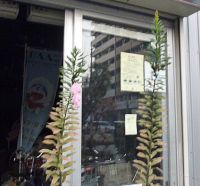
For Example
Okay、the broken gull let it
from the sand.
Let me fumble it into a box, with the
lid open.
Okey, I put the box into my car and started
up the highway
to the piace where sometimes, sometimes
not,
such things can be mended,
The gull st first was quiet,
How everything turns out one way or another,
I
won't call it good or bad, just
one way or another.
Then the gull lurched from the box and
onto
the back of the front seat and
punched me.
Okey, a little blood said down.
But we all know, don't we, how sometimes
things have to feel anger, so as not
to be defeated?
I love this world, even in its hard places.
A bird too must love this world,
even in its hard places,
So, even if the effort may come to nothong,
you have to do something.
・
It was, generally speaking, a perfectly
beautiful
summer morning.
The gull beat the air with its bood wing.
I kept my eyes on the road.
たとえばこんなことがあった。
折れた翼の鴎が砂の上にいた。
私はそいつをそっと拾い上げ、
蓋を開けたままの箱の中に押し込んだ。
それから箱を車に乗せ、ハイウェイを走りだした。
時として、あるいはそうでないこともあるけれど、
そんな傷を癒やしてくれる場所を目指して。
最初、鴎は静かだった。
物事がどう転ぼうと??それが良いか悪いかは別として
ただ、なるようにしかならないのだ。
すると突然、鴎が箱から這い出し、
助手席の背もたれに飛び移ると、 私を鋭く突いた。
分かったよ。少しばかり血が流れ落ちた。
けれど、私たちはみんな知っているはずだ。
打ちのめされないために、
時には怒りを感じなければならないこともあるのだと。
私はこの世界を愛している、たとえそれが過酷な場所であっても。
鳥だってこの世界を愛しているに違いない、
たとえそれが過酷な場所であっても。
だから、たとえその努力が報われないとしても、
人は何かをしなければならないのだ。
・
それは、概して言えば、
この上なく美しい夏の朝だった。
鴎は無事な方の翼で空を叩き、
私は、ただ前を向いて車を走らせた。
.jpg)
.jpg)
Percy Wakes Me (Fourteen)
Percy wakes me and I am not ready.
He has slept all night under the covers.
Now he's eager for action: a walk, then
breakfast.
So I hasten up. He is sitting on the kitchen
counter
where he is not supposed to be.
How wonderful you are, I say. How clever,
if you
needed me.
to wake me.
He thought he would hear a lecture and
deeply
his eyes begin to shine.
He tumbles onto the couch for more compliments.
He squirms and squeals; he has done something.
that he needed
and now he hears that it is okey.
I scratch his ears, I turn him over
and touch him everywhere He is
wild with the okeyness of it. Then we walk,
then
he has breakfast, and he is happy.
This is a poem about Percy.
This is a poem about more than Percy.
Think about it.
パーシーが私を起こす(14)
パーシーが私を起こす、私はまだ心の準備ができていないのに。
彼は一晩中、布団の中で眠っていた。
いまや彼はやる気満々だ。散歩、それから朝ごはん。
だから私は急いで起き上がる。
彼はキッチンのカウンターに座っている。
本当は、そこにいてはいけないはずなのに。
「なんて素敵なんでしょう」と私は言う。
「私を起こす必要があったのなら、なんて賢いの」
お説教を食らうと思っていた彼の目が、
奥底から輝き始める。
もっと褒めてほしくて、彼はソファに転がり込む。
身をよじり、歓喜の声を上げる。彼はやってのけたのだ、
自分が必要だと思ったことを。
そして今、それが「それでいいんだ(OK)」という言葉を耳にしている。
耳の後ろを掻いてやり、彼をひっくり返し、
体のいたるところに触れてやる。
その「全肯定(OK)」という事実に、彼は狂わんばかりに喜んでいる。
それから散歩に行き、
彼は朝ごはんを食べ、幸せになる。
これはパーシーについての詩だ。
これはパーシー以上の、何かのについての詩だ。
考えてみてほしい。
.jpg)
Percy (One)
He was a small, small bundle.
Like a bit of snow, or soiled cotton candy.
He fit right into the palm of my hand,
and there, he fell asleep.
The world was so wide, and he was so very
small.
I said, "Don't worry. I am here."
Percy (One)
彼は小さな、小さな一塊(ひとかたまり)だった。
雪のようでもあり、汚れた綿菓子のようでもあった。
彼は私の掌(てのひら)の中に収まり、
そこで眠ってしまった。 世界はとても広く、
彼はあまりに小さかった。
私は言った、
「心配しないで。私がここにいるから」
Percy (Two)
He has a bed,
but he prefers the rug.
He has a bowl,
but he prefers to eat from my hand.
He is learning the names of things:
"Ball," "Door," "Sleep."
He looks at me with such serious eyes,
as if to say, "I am trying my best to
belong."
彼にはベッドがあるけれど、
ラグの上の方を好んでいる。 彼にはボウル(食器)があるけれど、
私の手から食べる方を好んでいる。
彼は物事の名前を覚えているところだ。
「ボール」「ドア」「お休み」。
彼はとても真剣な瞳で私を見つめる、
まるで「僕はここにふさわしくなれるよう、精一杯頑張っているよ」
と言っているかのように。
.jpg)
Percy (Three)
Now he is a little older,
and he has seen the grass.
He thinks the wind is a playmate
who is always hiding.
He runs, he stops, he barks at the air.
"It is a big world," I tell him,
and he looks at me,
not afraid, but full of questions.
彼は少しだけ大きくなり、
そして芝生というものに出会った。
彼は風のことを、
いつもどこかに隠れている遊び友達だと思っている。
走っては止まり、何もない空中に向かって吠える。
「広い世界なのよ」と私は彼に言う。
すると彼は私を見つめる、
怖がってなどいない。ただ、好奇心でいっぱいなのだ。
Percy (Four)
He has found a stick,
and he carries it like a prize.
It is larger than his mouth,
but he does not care.
He shakes it at the squirrels,
as if to say, "I am the guardian here."
He looks back to see if I am watching,
and I am. I am always watching.
彼は一本の棒を見つけた、
そしてそれを、まるで宝物(プライズ)のように運んでいる。
自分の口よりも大きな棒、
けれど、彼はそんなこと気にしない。
彼はリスたちに向かって、その棒を振り回す、
まるで「ここは僕が守っているんだ」と言わんばかりに。
彼は私が見ているかどうか、振り返って確かめる。
私は見ている。
いつだって、君を見ているよ。
Percy (Five)
He sits on the porch,
and he is quiet for a long time.
The grass is tall,
and the birds are singing.
He does not bark;
he does not run.
He only listens to the world,
as if he is learning the language of the
leaves.
I sit beside him,
and we do not say a word.
彼はベランダに座り、
長い間、静かにしている。 草は高く伸び、 鳥たちが歌っている。
彼は吠えない。
走りもしない。 ただ世界の音に耳を傾けている、
まるで、木の葉たちの言葉を学んでいるかのように。
私は彼の隣に座る、
そして私たちは、一言も交わさない。
.jpg)
Percy (Six)
He has a way of looking
at the things he has broken,
as if they were not meant to be.
He has a way of looking
at the things he has stolen,
as if they were gifts from the world.
I should be angry,
but he is so happy with his prize.
"It is only a shoe," I tell myself.
"It is only a life," he tells me.
彼は、自分が壊してしまったものを
じっと見つめる癖がある。
まるで「そんなもの、最初からなかったはずだ」と言わんばかりに。
彼は、自分が盗んできたものを
じっと見つめる癖がある。
まるで「世界からの贈り物だ」と言わんばかりに。
私は怒るべきなのだろう、
けれど、彼はその獲物を手にして、あまりに幸せそうだ。
「たかが靴じゃないか」と私は自分に言い聞かせる。
「たかが命(生きているということ)じゃないか」と、彼は私に教えてくれる。
.jpg) “The joy of life (that he is happy now)”
over “the rules (not breaking shoes)”
“The joy of life (that he is happy now)”
over “the rules (not breaking shoes)”
Percy (Seven)
He has seen the deer,
and he is silent.
He does not chase them;
he only watches.
The sun is coming through the trees,
and the deer are drinking from the stream.
He looks at me,
and I know what he is thinking:
"It is a holy world, and we are in it."
We walk home, and he is a king.
彼は鹿を見つけた、
そして、静かに立ち止まっている。 追いかけることはしない。
ただ、見つめている。
木漏れ日が差し込み、 鹿たちは小川の水を飲んでいる。
彼は私を見つめる、
私には、彼が何を考えているかわかる。
「ここは聖なる世界、そして僕たちはその中にいる」
私たちは家路を辿る、彼はまるで王様のように誇らしい。 Amazing...
.jpg)
Percy (Eight)
He is running,
and he is a streak of white.
The grass is wet,
but he does not care.
He is a small comet
orbiting the yard.
I am standing in the doorway,
and I am the center of his world.
He comes back to me,
breathless and shining.
彼は走っている、
まるで白い一筋の光のように。 草は濡れているけれど、
彼はそんなこと気にしない。
庭という宇宙を回る、
小さな彗星のようだ。 私はドアのところに立っている、
そして私が、彼の世界の中心なのだ。
彼は私の元へと戻ってくる、
息を切らし、全身を輝かせながら。
Percy (Nine)
He wants to be held,
and he is too heavy.
He wants to be fed,
and he has just eaten.
He puts his chin on my knee
and looks up at me with those eyes.
I tell him "No,"
but my hands are already
stroking his head.
He knows. He always knows.
彼は抱っこされたがっている、
けれど、彼はもう重すぎる。
彼はご飯を欲しがっている、
けれど、さっき食べたばかり。
彼は私の膝の上に顎を乗せて、
あの瞳で私を見上げている。
私は「ダメよ」と言う。
けれど、私の手はもう
彼の頭を撫でている。
彼はわかっている。いつだって、わかっているのだ。
Percy (Ten)
He has a secret,
and it is a ball of blue wool.
He does not tear it;
he only carries it from room to room.
He lays it at my feet
as if it were a question.
"Is it a gift?" I ask.
He wags his tail,
and for a moment,
the blue wool is the most important thing
in the world.
彼は秘密を持っている、
それは青いウールの毛糸玉。
彼はそれを引きちぎったりはしない。
ただ、部屋から部屋へと運んで歩く。
彼はそれを私の足元に置く、
まるで、それが一つの「問いかけ」であるかのように。
「それは贈り物なの?」と私は尋ねる。
彼は尻尾を振る。
その瞬間、
その青い毛糸玉は、世界で一番大切なものになる。
Percy (Eleven)
He has found the pond,
and he thinks he can walk on water.
He dips a paw,
and then another.
The ripples surprise him,
but he does not run away.
He stands there,
looking at his own reflection,
and the sky beneath his feet.
He is learning that the world
is full of wonders.
彼は池を見つけた。
そして、自分は水の上を歩けると思っている。
前足をひとつ、浸してみる。
そして、もうひとつ。
広がる波紋に驚きながらも、
彼は逃げ出したりはしない。
そこに立ち尽くし、
水に映る自分の姿と、 足元に広がる空を眺めている。
彼は学んでいるのだ、
この世界は、驚きに満ちているということを。
.jpg)
Percy (Twelve)
He knows he is handsome.
He carries his tail like a flag and walks
as if the grass
were a red carpet laid just for him.
He looks at the flowers, not to smell them,
but to see if they are watching him.
He is a small, furry king of his own imagination,
and I am his most devoted subject.
彼は、自分がハンサムだと知っている。
尻尾を旗のように高く掲げ、
まるで足元の芝生が、
自分のためだけに敷かれたレッドカーペットであるかのように歩く。
彼は花を見つめるけれど、
香りを嗅ぐためじゃない、
花たちが自分を見ているかどうかを確かめるためだ。
彼は、自分自身の想像力の中で
小さくて毛むくじゃらの王様だ。
そして私は、彼に最も忠実な家来なのだ。
Percy (Thirteen)
He is no longer a small bundle.
He is a sturdy, white flame
burning through the day.
He does not ask to belong anymore;
he knows he is the heart of the house.
He sleeps with one ear open,
listening for my breath,
as if my living and his living
were the same song.
Tomorrow, he will wake me again.
彼はもはや、小さな一塊ではない。
彼はたくましく、白い炎のように 一日を駆け抜けていく。
もう「ここにいてもいい?」なんて、彼は訊ねたりしない。
自分がこの家の中心(ハート)であることを知っているから。
彼は片方の耳を澄ませたまま眠る。
私の呼吸を聴こうとして。
まるで私の生と彼の生が、 ひとつの同じ歌であるかのように。
明日もまた、彼は私を起こすだろう。
-
朝の全肯定(14番)
.jpg)
1. 生命と存在に関する言葉、
Sturdy 13番 たくましい、しっかりした (1番では「小さな塊(bundle)」だったパーシーが、13番で「たくましい白い炎」になった時に使われました。成長と生命力の強さを表す素敵な言葉です。)
Belong (2番・13番) 居場所がある、ふさわしい (「ここにいてもいいのかな?」という不安から、「自分はこの家の中心だ」という確信に変わる、パーシーの内面の成長を表すキーワードです。)
2. 行動と性格に関する言葉
Prefer (2番) 〜の方を好む (「ボウルはあるけれど、あなたの手から食べる方が好き」という、パーシーの意志のある選択を表しています。)
Guardian (4番) 守護者、番人 (大きな棒を運ぶことで、自分が家を守っているんだという誇らしい気持ちを表しています。)
Devoted [divoutid](12番) 献身的な、深い愛情を注ぐ (作者が自分を「パーシーの家来(subject)」と呼び、いかに彼を溺愛しているかを象徴する言葉です。)
3. 世界観を表す言葉
Holy [houli](7番) 聖なる、神聖な (鹿が水を飲む静かな風景を「Holy
world」と呼びました。宗教的な意味だけでなく、「言葉を失うほど尊い」というニュアンスで使われています。
Wonder (11番) 驚き、不思議、驚嘆 (14番の「Wonderful(なんて素敵!)」の語源でもあります。世界を新鮮な目で見つめるパーシーの姿勢そのものです。)
"He knows."(彼はわかっている)9番や13番で出てきたこの短いフレーズは、言葉が通じなくても「心と心で完全に理解し合っている」という、この詩集の最も美しい到達点を示しています。
Today
Today is a day of
dark clouds and slow rain.
The little blades of corn
are so happy..jpg)
どんよりとした雲が広がり、
しとしとと雨が降る一日。
小さなトウモロコシの芽たちは、
とても嬉しそうです。
Swan
Did you too see it, drifting, all night,
on the black river?
Did you see it in the morning, rising into
the silvery air、
an armful of white blossoms,
a perfect commotion of silk and linen as
it leaned
into the bondage of its wings:a snowbank,
,a bank of lilies,
biting the air with its black beak?
Did you hearit,fluting and whisling
a shrill dark music, like the raoin pelting
the trees,
like a waterfall
knifing down the black ledges?
And did you see it, finally, just under
the clouds-
a white cross streaming across the sky,
its feet
like black leaves, its wings like the streching
light
of the river?
And did you feel it, in your heart, how
it pertained to everything?
And have you too finally figured out what
beauty is for?
And have you changed your life?
あなたも見ましたか、夜通し、黒い川を漂っていたあの姿を。
朝、銀色の空気の中へと舞い上がるのを見ましたか――
腕いっぱいの白い花束のように。
翼という絆(束縛)に身をゆだね、光の中へと乗り出すときの、
絹とリネンが完璧に混じり合うあのざわめきを。
雪の塊、雪の塊、そして百合の群生のように、
黒い嘴で空気を噛みながら。
あなたは聞きましたか、笛を吹き、口笛を鳴らすようなその声を。
木々を叩きつける雨のような、
あるいは黒い岩棚を切り裂いて流れ落ちる滝のような、
鋭く、暗い音楽を。
そして、ついに見ましたか、雲のすぐ下で――
空を横切って流れていく、白い十字架を。
その足は黒い葉のようで、 その翼は、引き延ばされた川の光のようでした。
そして、あなたは心で感じましたか、
それがすべてのことと、いかに深く関わっているかを。
そして、あなたもついに気づきましたか、
「美」とは、いったい何のためにあるのかを。
そして――あなたは、自分の人生を変えましたか。
.jpg)
.jpg) Neither as smoke shall I rise, nor as a drifting
cloud, For I own no form, and I wear no silver shroud. But when the morning weeps, and the world
is still and brief, Think of me as the dew, falling soft upon
the leaf.
Neither as smoke shall I rise, nor as a drifting
cloud, For I own no form, and I wear no silver shroud. But when the morning weeps, and the world
is still and brief, Think of me as the dew, falling soft upon
the leaf.
Beans Green and Yellow
In fall
it is mushrooms
gathered from dampness
under the pines;
in spring
I have known
the taste of milk
and spring grass;
today
it is beans green and yellow
and basil
from my friends' garden-
how calmly,
as though it were an ordinary thing,
we eat the blessed earth.
秋には、松の木の下の湿り気から集められた茸を。
春には、ミルクと春の草の味を知りました。
そして今日は、
友人の庭で採れた緑と黄色の豆、それにバジル。
まるでそれが当たり前のことであるかのように、
私たちはなんと穏やかに、
この「祝福された大地」を食げている。
.jpg)
.jpg)
A Quiet Morning Bread
Every morning, I lay sliced banana on a piece
of toasted bread, and drizzle it with honey―
a slow, golden ritual in the soft light.
How calm the world should be. If only the
shadows of the night would vanish, and the
thief who slips into the dark would steal
away for good, this quietness would finally
be whole. Yet, I still taste the sweetness,
the warmth of the grain and the bee’s gift,
waiting for the dawn where nothing is taken,
and everything is peace.
It Is Early
It is early, still the darkest of the dark,
And already, I have killed (in exasperation)
two mosquitoes and (inadvertently)
one spider.
All the same, the sun will rise
in its sweeps of pink and red clouds.
Not for me does it rise and not in haste
does it rise
but step, neither
with exasperation nor inadvertently, nor
with
any intended attenthion to
any one thing, but to all, like a god
that takes its instructions from another,
even greater,
whose name, even, we do not know. The one
that made the mosquito, and the spider; the
one
that made me as I am: easy to exasperation,
then penitent.
まだ夜明け前、もっとも暗い時間だというのに、
私はすでに(憤りにまかせて)二匹の蚊を殺し、
(不注意にも)一匹の蜘蛛を殺してしまった。
それでもなお、空はピンクと赤の雲をたなびかせながら、日は昇るだろう。
日は私のために昇るのではない。急いで昇るわけでもない。
一歩、また一歩と、憤ることもなく、うっかりすることもなく、
何かに囚われることもなく、ただすべてを照らす。
それはまるで、さらに偉大で、私たちがその名さえ知らない存在から、
教えを授かっている神のようだ。
蚊を創り、蜘蛛を創ったその存在。そして、すぐに憤り、その後で後悔する……
そんなありのままの私を創った、その存在からの教えを。
The Sun
By Mary Oliver
Have you ever seen anything in your around
world more wonderful
than the way the sun, every evening, relaxed
and ruffly,
floats toward the horizon and into the clouds
or the hills, as the night sky opens
as dark as a cellar, and the stars begin,
one by one,
to redo the old constellations? Have you
ever felt for anything such wild love?
do you think there is anywhere, in any language,
a word billowy enough for the pleasure
that fills you, as the sun reaches out,
as it warms you as you stand there, empty-handed?
or have you too gone to sleep finally with
only tonight’s world
in your mind, with only the red and the pink
morning clouds
in your mind? and you think, maybe, that’s
all,
and you think, maybe, that’s enough? It
is early,
still the darkest of the dark, and already,
I have killed (in exasperation) two mosquitoes
and (inadvertently) one spider. All the same,
the sun will rise in its sweeps of pink and
red clouds.
Not for me does it rise and not in haste
does it rise but step,
neither with exasperation nor inadvertently,
nor with any one thing,
but to all, like a god that takes its instructions
from another, even greater,
whose name, even, we do not know. The one
that made the mosquito,
and the spider; the one that made me as I
am: easy to exasperation, then penitent.
And who, looking at it, would not prefer
it to every other thing?
And who, looking at it, could even think
of anything else?
.jpg)
あなたの周りの世界で これ以上に素晴らしいものを
見たことがあるだろうか?
毎晩、太陽が ゆったりと、波打つように
地平線へと、 あるいは雲や丘の向こうへと浮かんでいき、
夜の空が
地下室のような暗闇を広げ、 星たちが一つ、また一つと
古(いにしえ)の星座を 描き直していく姿を。
あなたはこれほどまでに 激しい愛を、何かに感じたことがあるだろうか。
この世界に、どんな言語の中に、 この喜びを包み込めるほど
豊かな言葉があるだろうか。
太陽がその手を伸ばし、 何も持たずにそこに立つあなたを
温めてくれる、 その時に込み上げる喜びを。
それとも、あなたもまた 今夜の世界のことだけを
心に抱いて、ついに眠りについてしまうのか。
心にあるのは ただ、朝の赤やピンクの 雲のことだけで――
そして、たぶん、 それで全部だと思い、 たぶん、それで十分だと、
そう思ってしまうのだろうか?
まだ夜明け前、 もっとも暗い時間だというのに、
私はすでに(憤りにまかせて)二匹の蚊を殺し、
(不注意にも)一匹の蜘蛛を殺してしまった。
それでもなお、日は昇るだろう、 ピンクと赤の雲をたなびかせながら。
日は私のために昇るのではない。 急いで昇るわけでもない。
ただ一歩、また一歩と、
憤ることもなく、 うっかりすることもなく、
何かに囚われることもなく、
ただすべてを照らす。 それはまるで、さらに偉大で、
私たちがその名さえ知らない存在から 教えを授かっている神のようだ。
蚊を創り、 蜘蛛を創ったその存在。 そして、今のままの私――
すぐに憤り、そして悔いる私を創った、その存在からの教えを。
その輝きを見つめて、 他のどんなものよりも、それを愛さずにいられるだろうか?
それを見つめながら、 他の何かを考えることなど、誰にできるだろうか?
.jpg)
How Many Days
How many days I lived and had never used
the holy words.
Tenderly I began them when it came to me
to want to, oh mystery irrefutable!
Then I went out of that place
and into a field and lay down
among the weeds and the grasses,
whispering to them, fast, in order to keep
that world also..
「聖なる言葉」を使わずに、私はどれほど多くの日々を過ごしてきたことか。
それを使いたいという思いが湧き上がってきたとき、
私はおずおずと、その言葉を口にし始めた。ああ、否定しようのない神秘よ!
それから私はその場所を離れ、野原へと出ていって、雑草や草花の中に身を横たえた。
そして彼らに向かって、早口にその言葉をささやいた。
あの世界をも、繋ぎ止めておくために。
.jpg)
More of the Unfinishable Fox Story
And what did the fox like?
Like some prince in a fairy tale,
in his secret costume,
What was he looking for?
For a rabbit to fall out the stars
and into the grass.
Was he combed and curly, did he
wear a prinse's crown?
No, he was rough and somelled of skunk.
But he was beautiful, and beauty is not be
taken lightly.
Did you stop the car?
No, I kept on going to wherever it was I
was going,
which I don't remember.
Well, what do you remember?
The fox! the fox!
「終わりのないキツネの物語」
そのキツネは何を好んでいたのか? まるでおとぎ話の王子様が、秘密の衣装をまとっているかのようだった。
彼は何を探していたのか?
空の星からこぼれ落ちて、草むらへ飛び込んでくるウサギを待っていたのだ。
毛並みは整い、カールしていただろうか? 王子の冠を戴いていただろうか?
いいえ。彼は荒々しく、スカンクの匂いが染みついていた。
けれど、彼は美しかった。 「美」というものは、軽んじていいものではない。
あなたは車を止めたのか? いいえ、そのまま走り続けた。
どこへ向かっていたのかは、もう思い出せない。
では、何を覚えているというのか? あのキツネだ!あのキツネのことだけを覚えている!
.jpg)
.jpg)
.jpg)
"Something like a fox,
but not. Yet the scent of skunk remained."
The Riders
When the Pony Express needed
riders, it advertised
a preference for orphans -
that way, no one was likely
to ask questions when the carriers failed
to arrive, or the frightened ponies
stumbled in with their dead
from the flanks of the prairies.
This detail from our country's past
has no particular significance - it is only
a footnote. There were plenty
of orphans and the point of course
was to get the mail through, so the theory
was sound. And besides,
think of those rough, lean boys -
how light and hard they would ride
fleeing the great loneliness.
ポニー・エクスプレスが騎手を必要としたとき、孤児を優先すると広告した――
そうすれば、配達人が到着しなくても誰も詮索しないだろうし、
怯えたポニーが大草原の脇から、死者を横腹にくくりつけたままよろめき入ってきても、
問題にする者はいないからだ。
このわが国の過去の細部には、特別な意味はない――
ただの脚注にすぎない。孤児は大勢いたし、要は郵便を届けることだったのだから、その理屈はたしかに筋が通っていた。
それに、あの荒々しく痩せた少年たちのことを思ってみよ――
どれほど身軽に、どれほど激しく馬を駆ったことだろう、大いなる孤独から逃れるように。
.jpg) This is how our history has been processed.
This is how our history has been processed.
The Poet Dreams of the Classroom
I dreamed
I stood up in class
and I said aloud:
Teacher,
why is algebra important?
Sit down, he said:
Teacher, I'm weary of the turkeys
that we have to draw every fall.
May I draw a fox instead?
Sit down, he said.
Then I dreamed I stood up once more and said:
Teacher,
my heat is falling asleep
and it wants to wake up.
It needs to be outside.
Sit down, he said.
夢を見た。授業中に立ち上がって、私は大きな声で言った。
「先生、どうして代数なんて学ばなきゃいけないんですか?」
「座りなさい」と先生はおっしゃった。
「先生、毎年秋になるたびに描かされる七面鳥にはもう飽き飽きなんです。代わりにキツネを描いてもいいですか?」
「座りなさい」と先生はおっしゃった。
それからまた夢の中で立ち上がって、私は言った。
「先生、私の心が居眠りをしています。目を覚ましたいと言っています。外に出る必要があるんです」
「座りなさい」と先生はおっしゃった。
.jpg)
[彼女の哲学3つの柱]
1. 「注意を払うこと」は祈りである
彼女の最も有名な言葉に、「注意を払うことが、私たちの果てしなく適切な仕事である」というのがある。
(To pay attention, this is our endless
and proper work)
彼女は毎朝、ノートとペンを持って森を歩き、小さな草花や鳥の動きを凝縮した集中力で見つめた。彼女にとって、自然を細部まで観察することは、自分というエゴを消し、世界と一体化する「祈り」の儀式だ。
2. 野生への回帰(Wildness)
彼女は詩の中で「キツネを描きたい」と言ったように、彼女は飼い慣らされた人間社会のルール(代数や教室での聴講姿勢)よりも、野生の生命力を重んじた。自然界には「正解」や「成績」はないのである。あるのは生と死、そして圧倒的な美しさのみ。彼女は、人間もまた動物であり、文明の窮屈さから逃れて「野生の自分」を取り戻すべきだと考えていた。
3. 「死」を含めた全肯定
彼女の自然観には、厳しい「死」の側面も含まれる。獲物を狩るフクロウや、朽ちていく木々をありのままに描き、自然界の循環(サイクル)の中に自分を置くことで、死への恐怖を克服し、「今、この瞬間を生きていること」の奇跡を祝福した。
Dancing in Mexico
Not myself,
but Maria,
who, when her work is done,
turns in the radio,
goes out into the garden,
picks up the front feet of the little dog
Ricky,
and dances. She dances.
私ではなくマリアの話。彼女は、仕事が終わるとラジオをつけて庭に出る。
そして、小さな愛犬リッキーの前足を持ち上げて、踊るのだ。彼女は、踊る。
.jpg)
"The Sweetness of Dogs"(犬たちの甘やかさ)より
"But I will say this: There is nothing sweeter than the arrival
of a dog. And there is nothing more bitter than the
departure of a dog. Except, of course, that they leave their
love behind. It is a heavy gift, but we are lucky to have
it."
「これだけは言っておこう。 犬がやってくることほど、甘く幸せなことはない。
そして、犬が去っていくことほど、苦いことはない。
……もちろん、彼らがその『愛』を遺していくことを除いては。
それは重たい贈り物だけれど、それを受け取れる私たちは、なんて幸運なのだろう。」……彼女は、犬が去った後の世界をこのように描写しています。
The Sweetness of Dogs (Fifteen)
What do you say, Percy? I am thinking
of sitting out on the sand to watch
the moon rise. Full tonight.
So we go
and the moon rises, so beautiful it
makes me shudder, makes me think about
time and space, makes me take
measute of mysel;f: one iota
pondering heaven. Thus we sit,
I thinking how greateful I am for the moon's
perfect beauty and also, oh! how rich
it is to love the world. Percy, meanwhile,
leans against me and gazes up into
my face. At though I were
his perfect moon.
どう思う、パーシー? 私はこう考えているんだ。
砂の上に座って、月が昇るのを眺めようかと。
今夜は満月だから。そうして二人で行き、
月が昇る。
あまりの美しさに、私は身震いする。
時間や宇宙に思いを馳せ、自分という存在を測ってみる。
天を仰ぎ見る、ほんのちっぽけな、
ひとつの欠片としての自分を。こうして私たちは座っている。
私は、月の完璧な美しさにどれほど感謝しているか、
そして、ああ!
この世界を愛せることがどれほど豊かなことかを考えている。
そのあいだ、パーシーはといえば
私に寄りかかり、じっと私の顔をのぞき込んでいる。
まるで私こそが
彼の完璧な月であるかのように。
・この詩の魅力は、**「視線の対比」**にあります。メアリーの視線: 遥か彼方の「月(宇宙・神性」に向かっており、自分を「一粒子(iota)」のように小さく感じています。パーシーの視線: 目の前の「飼い主」に釘付けです。宇宙の美しさに感動する人間と、その人間を宇宙そのものとして愛する犬。メアリー・オリヴァーは、犬たちのこうした無条件の愛を、しばしば祈りや救いとして描いています。
.jpg)
.jpg) As the night deepens, the moon shines brightly.
“Take off the lower half of the lattice,”
he urges, but it feels terribly beneath my
dignity to have the senior retainer present
in such a place. Even so, it still makes
me uneasy. If it were a young wife, perhaps
she could be forgiven for playing the fool,
unaware of propriety. But how could I possibly
do such a ridiculous thing? So I leave the
lattice in place.
As the night deepens, the moon shines brightly.
“Take off the lower half of the lattice,”
he urges, but it feels terribly beneath my
dignity to have the senior retainer present
in such a place. Even so, it still makes
me uneasy. If it were a young wife, perhaps
she could be forgiven for playing the fool,
unaware of propriety. But how could I possibly
do such a ridiculous thing? So I leave the
lattice in place.
夜が更け、月が明るく輝いていた。 「格子の下半分を外せ」
と促されたが、こんな場所に重臣がいるのは、ひどく威厳に欠ける気がした。それでも、やはり落ち着かない。若い妻なら、礼儀知らずの愚行も許されるかもしれない。だが、私にはそんな馬鹿げたことはできない。だから格子はそのまま残しておいた。【紫式部日記第二章の八】
Bird in the Pepper Tree
Don't mind my inexplicable delight
in knowing your name, l
ittle Wilson's Warbler
yellow as a lemon, with a smooth, black cap.
just do what you do and don't worry, dipping
branch by branch down to the fountain
to sip neatly, then flutter away.
A name
is not a leash.
コショウボクの木にいる鳥へ
あたの名前を知ったからといって
私がこんなに喜んでいるのを、気にしないで。
ウィルソンアメリカムシクイさん。
レモンのように黄色くて、なめらかな黒い帽子をかぶったあなた。
ただ、あなたのすべきことをしていて。
心配しないで、
枝から枝へと飛び移り
噴水まで降りてきて、
手際よく水を飲み
そして、ぱっと飛び去っていけばいい。
名前なんて、あなたを縛る「鎖」じゃないのだから。
.jpg)
The Tongue-Cut Sparrow
Once upon a time, there lived a kind-hearted
old man. One day, he found a small, injured
sparrow. He took it home, nursed it back
to health, and named it “Ochon.” Every
day, he cared for it with love.However, the
old man's wife was greedy and cruel. One
day, while the old man was away, the sparrow
ate some laundry starch she had prepared.
Enraged, the old woman cut off the sparrow's
tongue with scissors and heartlessly drove
it out into the wild.Deeply worried, the
old man set off on a journey into the mountains
to find a friend. After a long journey, he
finally found the “Sparrow Inn.” Ochon
and the other sparrows warmly welcomed the
old man and prepared a sumptuous feast for
him. When it was time to leave, the sparrows
gave him a parting gift. They prepared one
large willow tube and one small willow tube,
telling the old man to choose one.The humble
old man said, “I am an old man, so this
small box is enough for me.” When he returned
home and opened the box, he was astonished
to find it filled to the brim with glittering
gold and precious treasures.Hearing this,
his greedy wife wanted the treasure for herself.
She rushed to the sparrows' lodge and demanded
a gift. Given the choice, she grabbed the
large trunk and hurried back. Unable to wait
until she reached home, she pried open the
lid on the mountain path.To her horror, the
trunk contained not gold, but poisonous snakes,
centipedes, and terrifying monsters. The
old woman fell backward in shock from the
terror. And so the story ends.
Key Points of This StoryーThe Difference
in How “Names” Are Treated Earlier, Mary
Oliver's poem stated that “names are not
dominion.” Yet in this story, the grandfather
also named and cherished the sparrow. For
the grandmother, however, the sparrow was
merely a “pest bird that stole glue,” and
this lack of respect led to cruel actions. Intense
Karma Even within Japanese folktales, the
depiction of “cutting out the tongue” is
quite shocking. Precisely because of this,
the lessons “Do not treat small lives carelessly”
and “Do not be overly greedy” become deeply
engraved in children's hearts.
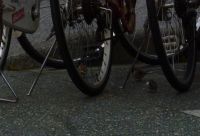 Sparrows sipping beneath the bicycle
In Provincetown, and Ohio, and Alabama
Death taps his black wand and something vanishes,
Summer,
winter; the thicket branch of an oak tree
for which I have a
special love; three just hatched geese. Many
trees and thickets of
catbrier as bulldozers widen the bicycle
path. The violets down
by the old creek, the flow itself now raveling
forward through
an underground tunnel.
Lambs that, only recently, were gamboling
in the field. An old
mule, in Alabama, that could take no more
of anything. And
then, what follows? Then spring again, summer,
and the season
of harvest. More catbrier, almost instantly
rising. (No violets,
ever, or song of the old creek.)More lambs
and new green grass
in the field, for their happiness until.
And some kind of yellow
flower whose name I don't know (but what
does that matter?)
rising around out of the half-buried, half-vulture-eaten,
harness-galled, open-mouthed (its teeth
long and blackened),
breathless, holy mule.
プロビンスタウンで、オハイオで、そしてアラバマで。
「死」がその黒い杖でコツンと叩くと、何かが消え去る。夏、
冬。
私が格別の愛を注いでいた、樫の木の茂った枝。
孵ったばかりの三羽のガチョウ。
自転車道を広げるブルドーザーになぎ倒される、たくさんの木々とサルトリイバラの茂み。
古い小川のほとりに咲いていたスミレ。
いまや地下のトンネルへと追いやられ、
もつれながら進むその流れ自体。
つい先ほどまで、野原ではね回っていた子羊たち。
そしてアラバマの、もう何もかもに耐えられなくなった一頭の老いたラバ。
それから、何が続くのか?ふたたび春が来、夏が来、収穫の季節が訪れる。
サルトリイバラは、瞬く間にまた生い茂る。
(けれどスミレは、二度と戻らない。あの古い小川のせせらぎも。)
さらなる子羊たちが現れ、野原には新しい青草が芽吹く。
「その時」が来るまで、彼らが幸福であるように。そして、名前も知らないある種の黄色い
花が、
半ば土に埋もれ、半ばハゲタカに喰われ、 馬具に擦りむけ、口を大きく開け
(その歯は長く黒ずんでいる)、
息絶えた、聖なるラバの死体のまわりから、
それを突き破るようにして咲き誇るのだ。
Ohio: Her hometown, where she spent a strict
and difficult childhood.Provincetown: A coastal
town in Massachusetts where she spent her
later years with her partner, Molly Malone.
It served as her base for nature observation.Alabama:
A symbol of the American South. The “old
mule” featured here is depicted as a symbol
bearing the harsh labor and historical suffering
of the South.
.jpg)
Once, a sanctuary of ancient kings,
Enveloped in a stillness where
only the winds of the Ki River whispered.
But now, the soft skin of the earth has been
violated
By heavy steel
in the name of "efficiency,"
And the mountain, in its silent grief,
Has seen its very soul carved away.
かつて古(いにしえ)の王たちが、
紀の川の風を聴きながら静寂に包まれていた聖域。
その柔らかな土の肌は、
「効率」という名の重機によって暴かれ、
山は沈黙のうちに、その形を削り取られていきました。
.jpg)
April
I wanted to speak at length about
the happiness of my body and the
delight of my mind for it was
April, night, a
full moon and -
but something in myself of maybe
from somewhere other said; not too
many words, please, in the muddy shallows
the
frogs are singing.
自分の体の幸福について、そして心の歓喜について、
私は言葉を尽くして語りたいと思っていた。
それは四月、夜、そして満月のことだったから。
けれど――
私の中の何かが、あるいはどこか別の場所からの何かが、こう告げた。
「言葉は控えめに。
泥まじりの浅瀬では、いま、蛙たちが歌っているのだから」
.jpg)
The frogs are croaking, listen to them sing.
Ribbit, ribbit, ribbit, ribbit. Croak,
croak, croak, croak, Ribbit, ribbit, ribbit.
.jpg)
Torn
I tore the web
of a black and yellow spider
in the brash of weeds
and down she came
on her surplus of legs
each of which
touched me and really
the touch wasn't much
but then the way
if a spider can
she looked at me
clearly somewhere between
outraged and beartbroken
made me say "I'm sorry
to have wrecked your home
your nest larder"
to which she said nothing
only for an instant
pouched on my wrist
then swung herself off
on the thinnest of strings
back into the world.
This pretty, this perilous world.
雑草の茂みの中で、私は
黒と黄色の蜘蛛の網を破ってしまった。
すると彼女は、余るほどたくさんの脚を動かして降りてきて
その脚の一本一本が私に触れた。
実際のところ、その感触は大したものではなかったけれど。
けれど、もし蜘蛛にそんなことができるのなら、
という風に
彼女が私を真っ直ぐに見つめたあの様子…
憤慨と、そして悲嘆のあいだに揺れるようなあの眼差しに
私は思わず口にしていた。
「ごめんなさい、あなたの家を、巣を、
食料貯蔵庫を壊してしまって」
彼女は何も答えず
ただ一瞬、
私の手首にぽすんと乗ったかと思うと、
この世で最も細い糸を引いて、
ふわりと飛び降り、世界へと戻っていった。
この、美しくも危うい、世界へと。
.jpg)
The Last Thread (Dignity)
Sudden storms may tear the days you’ve spun,
And leave you standing when the work is done.
The home you built, the larder you had filled,
Are shredded silk, and all your hopes are
stilled. Before your feet, a dark and deep
abyss, The voice of giving up?a cold, sweet
kiss.
"It’s all too late," the bitter
shadows cry, "Just let it go, and let
the spirit die." A tempting path to
flee the stinging pain, The easiest way to
let the darkness reign. But wait?recall the
one within the weeds, Who lost her world
to clumsy, human deeds.
Though she was small, her gaze was sharp
and clear, A mix of grief and rage, but never
fear. She did not strike with fangs or venom’s
might, But touched the wrist to claim her
ancient right. A silent pride, a soul that
would not bend, She chose to start again,
and not to end.
Upon the thinnest thread her body bore, She
swung herself to find the world once more.
Through perilous air, she took a leap of
faith, A living spark, and not a fading wraith.
She kept her spirit pure from dark despair,
And trusted in the silk she gathered there.
So when we stand within the silent night,
And struggle just to find a silver light,
Do not let go of that most fragile strand,
The pride of who you are?keep it in hand.
To beat the lure of shadows and of dread,
Just cast again... that one, last, golden
thread.
最後の糸(矜持)
不意の嵐が、丹念に築いた日々を 跡形もなく引き裂いていくことがある。
守るべき家も、確かな食料も、 ただの千切れた白い膜へと変わり果て、
足元に広がるのは、奈落のような自暴自棄の淵。
「どうなってもいい」 「もう、すべて遅すぎる」
甘く、冷たい誘惑の声が、 傷ついた心に這(は)い寄ってくる。
それは、再起という痛みを避けるための、 最も容易(たやす)く、悪い逃げ場所だ。
けれど、思い出してほしい。 雑草の茂みで、すべてを失った彼女が、
憤慨と悲嘆の眼差しの奥に、 決して手放さなかったものを。
彼女は、自分を壊した大きな存在(運命)に
ただ牙を剥(む)いて終わることはしなかった。
一瞬、その重みを手首に感じさせ、 生きる者としての、静かな誇り(矜持)を刻みつけた。
そして、体内に残された最後の、 この世で最も細い糸を頼りに、
再び、あの美しくも、危うい世界へと 躊躇なく身体を投げ出したのだ。
五分の魂を、自らの絶望で汚さないために。
私たちもまた、 予期せぬ困難に、立ち尽くす夜があるだろう。
それでも、心の中の最細の糸、 「自分であり続ける」という矜持だけは、
決して切ってはならない。
悪い誘惑を退ける唯一の道は、 その細い糸を、明日という未知の空間へ、
もう一度、静かに、けれど確かに、 紡ぎはじめることなのだから。
.jpg)
Wind in the Pines
Is it true that the wind
streaming especialy in fall
through the pines
is saying, nothing at all,
or is it just that I don't yet know the
language?
松林を抜ける風
秋、松の木々を吹き抜ける風が
「何もない、何ひとつない」と告げているというのは
本当なのだろうか。
それとも、私がまだその言葉を.jpg)
知らないだけなのだろうか。
"When my wife
was first hospitalized, a clip was placed
on her appendix despite her having no history
of appendicitis, and now that she has passed
away regardless of the treatment, I am left
with a deep sense of unease. I cannot help
but wonder about the true purpose of that
procedure and whether there was crucial information
that was never shared with me."
"The justification of these deceits
is the reality of medical practice in Japan."
.png)
The Livig Together
The spirit says:
What gorgeous clouds.
The body says: Good,
the crops need rain.
The spirit says:
Look at the lambs frolicking.
The body says:
When's the feast?
The spirit says:
What is the lark singing about?
The body says:
Maybe it's angry.
The spirit says:
I think shadows are trying to say something.
The body says:
I know how to make light.
The spirit says:
My heart is pounding.
The body says:
Take off your clothes.
The spirit says:Body,
how can we live together?
The body says:
Bricks and mortar and a black door.
.jpg)
妻=精神 まあ、おとうさん。なんて見事な雲かしら、まるで天国がこぼれ落ちてきたみたいよ
。
夫=身体 ああ。ちょうどよいお湿りだ、これで畑の苗も一息つけるな。
妻 見て、あそこで子羊たちが跳ね回っているわ。
夫 今夜のご馳走は何んだい?
妻 ヒバリが鳴いてるわよ、なにかあるのかな?
夫 さあな。案外、怒ってるだけかもしれんぞ。
妻 心がドキドキするわ。
夫 着ているものを脱ぎなさい。
妻 おとうさん。私たち、こんなに考え方が違うのに、どうやって一緒に生きてこれたのかしら?
夫 家庭をつくり、いろんなことを経験して、死んでいくためにさ。
We Cannot Know
Now comes Schumann down the scale.
What a river
of pleasure!
Where is his riven heart?
His ruined mind?
Lying in wait.
Now comes Schumann up the scale
and around the curly corners
of just a few absolutely right notes
while the Rhine turges along.
while the Rhine sparkles in the dark,
lying in wait.
今、シューマンの音階が降りてくる。
なんという歓喜の川だろう!
彼の裂かれた心はどこにあるのか。
彼の壊れた精神は?
それは、隙をうかがい横たわっている。
今、シューマンが音階を昇り、
ほんの数音の、完璧に正しい音で
渦巻く曲がり角を抜けてくる。
ライン川が膨れあがり流れる一方で、
ライン川が暗闇の中で煌めく一方で、
隙をうかがい横たわっている。
 (2).jpg)
.jpg) Johannes Brahms, ein junger Komponist, unterstutzte
die Familie Schumann bereits zu Roberts Lebzeiten.
Johannes Brahms, ein junger Komponist, unterstutzte
die Familie Schumann bereits zu Roberts Lebzeiten.
Obwohl er Clara tief liebte, uberschritten
sie nie die Grenze;
ihr ganzes Leben lang blieben sie einander
in einer tiefen 「seelischen Freundschaft」
verbunden
und pflegten einen regen Briefwechsel.
.jpg) The Poet Dreams of the Mountain
sometimes I grow weary of the days, with
all fits and starts.
The Poet Dreams of the Mountain
sometimes I grow weary of the days, with
all fits and starts.
I want to climb some old gray mountain,
slowly, talking
the rest of my life to do it, resting often,
sleeping
under the pines or, above them, on the
unclothed rocks.
I want to see how many stars are still
in the sky
that we have smothered for years now, a
century at least.
I want to look back at everything,forgiving
it all,
and peaceful, knowing the last thing there
is to know,
All that urgency! Not what the earth is
about!
How silent the trees, their poetry being
of themselves only.
I want to take slow steps, and think appropriate
thoughts.
In ten thousand years, maybe, a piece of
the mountain will fall.
時折、私は日々の暮らしに疲れ果ててしまう。
何もかもが、途切れ途切れに急き立てられるような毎日に。
私は、あの古びた灰色の山を登りたい。
残りの一生をすべてかけて、ゆっくりと、
何度も休息をとり、松の木の下や、
あるいは木々よりも高く、
剥き出しの岩の上で眠りながら。
どれほど多くの星が、今も空に残っているのかを確かめたい。
私たちが何年も、少なくともこの百年のあいだ、
覆い隠してしまったあの星たちを。
木々は何と静かなのだろう。
彼らの詩は、ただ彼ら自身のためだけに綴られている。
私は、ゆっくりと一歩を踏み出し、それにふさわしい思考を巡らせたい。
一万年も経てば、もしかすると、
山のかけらが一つ、こぼれ落ちるかもしれない。
.jpg)
Mist in the Morning, Nothing Around Me but
Sand and Roses
Was I lost?
No question. Did I know where I was? Not
at all.
Had I ever been happier in my life? Never.
朝霧の中、そこには砂と薔薇以外、何もなかった。
道に迷っていたかと言われれば、間違いなくそうだった。
居場所を把握していたかと言えば、少しも分かっていなかった。
けれど、これまでの人生でこれ以上に幸福だった瞬間があっただろうか?
断じて、なかった。
"Japan has been a peaceful and prosperous
country for many decades since the end of
the war."
歌 杉田二郎/詩北山 修
The war ended and we were born.
We grew up without knowing war.
Now we have grown up, we are beginning to
walk, humming songs of peace.
Remember our names: we are the children who
have never known war.
戦争が終わって 僕等は生れた
戦争を知らずに 僕等は育った
おとなになって 歩き始める
平和の歌を くちずさみながら
僕等の名前を 覚えてほしい
戦争を知らない 子供たちさ 歌 杉田二郎/詩北山 修
.jpg)
The Last Word About Fox (Maybe)
Where is the fox now?
Somewhere, doing his life's work, which
is living his life.
How many more foxes has he made for the
earth?
Many, many,
How many rabbits has he caught so far?
Many, many, many.
This doesn't sound very important.
What's of importance? Scalping mountains
or fishing for oil?
I would argue about that.
Ah, you have never heard of the meek and
what is
to become of them?
What's meek about eating rabbits?
It's better than what's happening to the
mountains and the ocean.
You know, there's only thing to say. I
think
you're little crazy.me
I thank the Lord.
狐は今どこにいるのか?
どこか別の場所で、彼の「生涯の仕事」をしている。
つまり、ただ自らの生を生きているのだ。
彼はこの地球に、あと何匹の狐を送り出しただろうか?
たくさん、本当にたくさんだ。
彼はこれまでに何匹のウサギを捕まえたのか
たくさん、数えきれないくらい。
こんなことは、さして重要ではないように聞こえるかもしれない。
では、何が重要だというのか?
山を削り取ることか?
それとも石油を掘ることか?
それについては、議論の余地がある。
ああ、あなたは「柔和な人々」のこと、
ウサギを食べることのどこが柔和なの?
そして彼らが最後にはどうなるか(地を継ぐということ)を、
一度も聞いたことがないのか?
それは、山や海に今起きていることよりも、ずっと素晴らしいことだ。
わかっている、言うべきことは一つ。
あなたはこう思うだろう。
「君は少し、どうかしている」と。
私は、神に感謝する。
.jpg)
.jpg)
When the civilization created by humans?asphalt
and concrete?eventually crumbles away, it
is undoubtedly weeds that will be the last
to cover that place. It seems as though they
are quietly, yet surely, waiting for the
day when they will “inherit the earth.”
How Heron Comes
It is a negligence of the mind 夕暮れ時,鷺が池にやってくるのを、
not to notice how at dusk 気づくことが出来ないのは、
heron comes to the pond and 心の怠慢である。
stands there in his death robes, perfect そして、彼は死に装束をまとい、完璧な
servant of the system, hungry, his eyes
体制の下僕としてそこに立っている。空腹で、彼の眼には
full of attention, his wings 鋭い注意がみなぎり、 翼さは
pure light. 純粋な光に満ちている。
.jpg)
.jpg)
The Death of the Ball Turret Gunner ・ Randall
Jarrell
On this day in 1941, Japanese air forces
bombed a US 1941年のこの日、日本軍はハワイの真珠湾にある
military base at Peal Harbor, Hawaii.
米軍基地を攻撃した。
It was intended as a pre-emptive strike
by the Japanese government, これは第二次世界大戦中、ナチス・ドイツと同盟を結んでいた
which was allied with the Nazis during
the Second World War.
日本政府による先制攻撃だった。
As the first attsck on American soil, アメリカ本土(領土)に対する初の攻撃として
it prompted American entry into the war.
アメリカの参戦を促すこととなった
This poem the perspective of a dead American
aircraft gunner, この詩は、戦死したアメリカ軍機の射手の視点から
is unflinching in its observations of the
cruel realities of war .書かれており、戦争の残酷な現実を
ひるむことなく観察している。
From my mother's sleep I fell into the State, 母の眠りから、私は「国家」へと墜ち、濡れた毛皮が凍りつくまで
And I hunched in its belly till my wet
fur froze. 身をかがめていた
Six miles from earth, loosed from its dream
of life, 地上から6マイル上空で、生命の夢から解き放た
I woke to blak flack and the nightmare
fighters, 私は黒い高射砲火と、悪夢のような戦闘機の中で目を覚ました
When I died they washed me out of the turret
with a hose. 私が死ぬと、彼らはホースの水で私を銃座から洗い流した
.jpg)
When
When it's over, it's over, and we don't know 終わってしまえば、それでおしまい。
any of us, what happens then. そのあと、どうなるのか誰も知らない。
So I try not to miss anything. そう、私は何一つ見逃さないようにしているの
I think, in my whole life, I have never
missed これまでの人生で、わたしは満月を、
the full moon 見逃したことはない。
or the slipper of its coming back. また、戻りゆくスリッパも
Or, a kiss. それから、キス。
Trees
Heaven knows how many まだ私の体が、木登りに向いていた頃のこと。
trees I climbed when my body どれほど多くの木に登ったことか、
was still in the climbing way, how 天のみぞ知る。
many afternoons, especially 数えきれないほどの午後、
windy ones, I sat 特に風の強い日には、
perched om a limb that 腰を下ろしたものだった。
rose and fell with every invisible 目に見えぬ風の一吹きごとに上下する枝に
blow. Each tree was どの木も、
a green ship in the wind-waves, every 風の波間に浮かぶ緑の船であり、
branch a mast, every leafy height どの枝もマストで、
a happiness that cane without 葉の生い茂る高い場所はどこも、
even trying. I was that alive 努力せずとも手に入る幸福そのものだった。
and limber. Now I walk under them - あの頃の私は、それほどまでに生命力にあふれ、しなやかだった。
cool, beloved: the household 今の私は、木々の下を歩く。 涼やかで、愛おしい。
of such tall, kind sisters. 高く、優しい姉妹たちが集う、この家のような場所を。
.jpg) You until a hundred, I until ninety-nine,
until we both grow white with age.
You until a hundred, I until ninety-nine,
until we both grow white with age.
In Your Hands
The dog, donkey, surely they know 犬やロバなら、
自分が生きていることを自覚しているでしょう。
they are alive. それに異を唱える者などいるでしょうか。
Who would argue otherwise?
But now, after years of consideration,
けれど、長年考え抜いてきた私は今、
I am getting beyond that. その先へと踏み出そうとしています。
What about the sunflowers? What about
ひまわりたちは、どうなのでしょう
the tulips, and the pines?
チューリップは、そして松の木は?
Listen, all you have to do is start and
いいですか、一度考え始めてしまえば
there'll be no stopping. もう止まることはありません。
What about mountains? What about water
山々はどうでしょう。
岩の上を滑り落ちていく水はどうでしょう。
slipping over the rocks?
And, speaking of stones, what about そして、石について言えば、
the little ones you can あなたの手のなかに収まるほどの小さな石たちは?
hold in your hands, their heartbeats その鼓動はあまりに密やかで
so secret, so hidden it may take
years 深く隠されているため、
ついにその音を聴き取るまでには
before, finally, you hear them? 何年もかかるかもしれないのです。
.jpg)