The
Wife of Hanaoka Seishu
�@
Kae was eight years old when she first saw
Otsugi. That summer, at the insistence of
her nurse, she travelled to Hirayama in the
neighbouring village to see Otsugi's house.She begged her nanny, Tami, and set off for
Otsugi's house in the neighbouring village.In the front yard of the old house next door,
The weeds grew dense and high; And there,
against the deep green growth, The eggplant's
large white blooms Stood out vividly to the
eye.That eggplant flower looked just like the
pure white profile of Otsugi who had just
stepped out from under the eaves of the house.
”Come on now, little lady.” Tami turned
back before the wall of bitter orange trees,
flaring her nostrils, while Kae was mesmerised
by Otsugi's beauty as she watered the garden.…This story of Otugi happened when Kae was
8 years old and she was about 30.
.jpg)
.jpg) At eight years old, with that first sight,
A longing heart in Kae took flight. Otsugi's
grace, as water flowed, The purest form a
woman showed.
At eight years old, with that first sight,
A longing heart in Kae took flight. Otsugi's
grace, as water flowed, The purest form a
woman showed.
A figure sublime, held high in awe, Respect
that grew to sacred law. As years went by,
affection deep, Her heart's devotion, she
would keep. To follow Otsugi, this silent
creed, Her soul's true yearning, planted
seed.
The story takes place around 1751 to 1764
during the Tokugawa period. Otsugi married into the Hanaoka family of
Ito District from the Matsumoto family across
the Kiriver.Otsugi's name in Nate has been made famous.Otsugi was afflicted with a severe skin disease
at an age when she should have been getting
married,married.
I heard that story. I want to make this the
starting point: that Naomichi,( the father
of Hanaoka Seishk )of Nate Village, had
cured her skin disease on the condition that
she marry him.Kae can't quite remember if
it was that day or the next, but she did
tell her mother about the impression she
had received from seeing Otugi.
"She is not only beautiful, but also
recognized by everyone as an exceptionally
intelligent woman."Mother replied.
A figure sublime, held high in awe, Respect
that grew to sacred law. As years went by,
affection deep, Her heart's devotion, she
would keep. To follow Otsugi, this silent
creed, Her soul's true yearning, planted
seed.At this moment, Kae's admiration began
to blossom into longing. Could there be a
more ideal way for a woman to exist? She
revered Otugi as something sublime, and her
respect for her grew into devotion. She yearned
for Otugi.Kae was the daughter of a family
of such high standing that her parents could
dine at the same table as the Lord of Kishu.
As such, she was not permitted to leave home.
By the time she was fourteen, she had perfected
the preparation of one dish and could serve
a tray bearing the hollyhock crest of the
lord himself.
.jpg)
・The name Unpei consists of two kanji characters:
“雲” (cloud) and “平” (flat).
Kae has been living like this, unable to
go out much, spending her days longing to
see Otsugi once more.
The advantage for Kae was that Otsugi's husband,
Naomichi Hanaoka, was a doctor.the reason
was that Kae's grandfather had frequently
come to visit Naomichi Hanaoka for medical
consultations.Kae's first impression of Naomichi
Hanaoka was one of disappointment?this was
the husband of that Otsugi?Naomichi's wild
appearance and wild attire were a stark contrast
to Otsugi's flawless appearance, which disappointed
Kae.However, he was a surgeon. He said this
while taking the retired head of the Imose
family's pulse."I declare: The Japanese
medical field is inevitably going to experience
its own Dutch studies era.“
Then Naomichi explained the origin of his
son's name.「Unpei] Kae saw him as an old
man because of his aged appearance. Though
there was a fourteen-year gap between him
and Otugi, that age difference felt even
greater. Kae didn't want to admit that Otsugi
was Naomichi's wife, but she couldn't deny
it.
�A
When Kae was 18, her grandfather died of
a cerebral apoplexy.
When hergrandfather had fallen ill, the first
doctor the Imose family called was not Hanaoka,
but another physician.at that time, Kae again
met Otsugi.
Naomichi had been present since the wake,
drinking sake while paying his respects to
his grandfather. Otsugi, dressed in a black
kimono with a red tasseled rosary, stood
among the mourners burning incense.
.jpg)
.jpg)
Otsugi was more than just beautiful; she
had true elegance.as soon as the incense
offering ended, she bowed her head toward
the coffin.she bowed her head to each.
mourner in turn.at that moment, Kae's gaze
met Otugi's.Kae froze under Otugi’s gaze.Kae
had sensed deep condolences and a shadow
of sorrow in Otsugi's expression, and Kae
felt that Otsugi's sadness was not just for
Kae.After finishing a greeting, Otsugi turned
and headed for the exit.Kae could see that
the back seam under the obi was a straight
line,like a silk.
Keyword
This chapter depicts the scene where Otsugi
attends the funeral of someone of higher
status than herself. The fabric of the kimono
serves as an example. While the Imose family
uses silk for their kimono, the more modest
Hanaoka family uses tsumugi. The author praises
the Matsumoto family, Otsugi's birth family,
for their meticulous attention to preparing
her dowry. Sawako Ariyoshi features various
kimonos in her other works as well, and it
seems the inspiration for her kimono descriptions
comes from the fact that The Tale of Genji
itself features a wide variety of kimonos.In
other words, one can glimpse in the recesses
of Ariyoshi Sawako's mind the legacy of Heian-period
court salon tales like those of Murasaki
Shikibu.
�B
When Kae was twenty-one in late spring, Otugi
visited the Imose home.
Mr. Imosessajibe had greeted Otsugi. He had
a cheerful smile. He was unfazed by this
sudden visit.
“Is Hanaoka Naomichi doing well?”He asked
Otsugi.
"Since the head of the Imose family
passed away, my husband has been in a state
of despair.”Otsugi replied.
“What are you here for?”
"I have been visiting Kae and wishing
for her to become our son Shinn's bride.“
.jpg) Sajibei felt displeased by Otugi's marriage
proposal.The Imose familydescended from a
powerful clan of nobles who built castles
in the mountains. Even in the Edo period,
the status of samurai household was maintained,
with an annual stipend of 120 koku being
received.The residence is of a lineage that
hosts lords from Kishu.I'm wondering whether
this behaviour is based on an understanding
of the distinction in social standing?
Sajibei felt displeased by Otugi's marriage
proposal.The Imose familydescended from a
powerful clan of nobles who built castles
in the mountains. Even in the Edo period,
the status of samurai household was maintained,
with an annual stipend of 120 koku being
received.The residence is of a lineage that
hosts lords from Kishu.I'm wondering whether
this behaviour is based on an understanding
of the distinction in social standing?
However, Otsugi was undaunted by his fierce
temper and proposed to her, citing the qualifications
required of a physician's wife as his reason.
First, you need to be physically strong;
second, you need to be brave.Moreover, Otsugi
said:Daughters of farmers, industrial workers
or merchants were not suitable to become
a doctor's wife.
“A farmer's daughter, lacking education
and accustomed to a monotonous life, cannot
endure the demanding life of a doctor.”
“Merchants' daughters are no good either.
Doctors are not in it for the money; patients
have no distinction between rich and poor.
We cannot have patients treated as tools
for business.”
“Daughters who work in manufacturing are
no good, either. They're just making things
to turn a profit.”
And so, Otsugi said that a doctor's wife
absolutely needed a daughter who had been
strictly raised and well-behaved.She added
that she speaks from experience as a doctor's
wife.
“My son is going to study abroad in Kyoto
this spring and will return to Wakayama in
three years' time. It is my role to support
Unpei in all that he learns in Kyoto and
to find him a wife who can look after him.”
"This has come as a bit of a surprise,
so I'll take some time to mull it over and
let you know my thoughts."Sajibei answered
with a smile.
・・・・・・That same day, Kae heard from
her milkmaid Tami that Otsugi had come to
her house.
Kae was stunned that Otsugi had offered her
as a candidate for Unpei's wife.Kae was stunned
that Otsugi had chosen her as his wife.However,
her father, Sajihei, is reluctant to agree
to the marriage proposal.
The next day, Kae's mother expressed her
strong approval to Saji-bei regarding Kae's
marriage.The reason for this is.The Hanaoka
family had been treated as outsiders who
had moved from Osaka to Wakayama. However,
after Otsugi got married, they suddenly began
to become friendly with the local people.And,
despite the circumstances, Kae was past the
age of marriage.
Just as the Imose couple were talking, their
milkmaid Tami came to tell them about Kae's
condition.��Kae has admired Otsugi since
childhood. She longs to be called the bride
of the Hanaoka family. And she is troubled
by her father's thoughts."
“What's going on?” Saji-bei said.
“Everyone in this land knows Mrs Otugi.
Despite marrying into a poor family after
coming from a wealthy one, she never complained
about the hardship and became the model daughter-in-law,
securing the future of the Hanaoka family
in Wakayama.Kae has always said she wants
to be that kind of wife.”a milkmaid answered.
"Why is she a role model? In our world,
women aren't allowed to step out of line."Sajibei
said
��You haven't understood what she said."
“She said doctors are the only people who
rule the world, but I don't like it.”
People only respect doctors when they are
ill. However, once they are well again, they
turn to gods and Buddhas for protection.
“They say Unpei's an idiot,” said Saji-bei.
“Is this the incident where Unpei found
a lost item and waited there until the owner
came back to retrieve it?”"More than
that, I'm so happy, so happy that Otsugi
recognized Kae with an eye toward the future."Mother
said.
The lingering concern for Unpei is this:He
had just gone to Kyoto, saying it was for
three years of training, but if she waited
until then, Kae would be twenty-four. She
wouldn't be of marriageable age anymore.・・・・・・This
was the reason the Imose family opposed the
marriage.
Upon hearing this, Otsugi replied that he
would arrange a provisional marriage ceremony
with Unpei and have Kae enter the Hanaoka
household as a bride within the year.
Imose Sajihei and his wife were once again
struck by her wisdom at Otsugi's reply.
�D
.jpg) In the autumn of her second year of the Tenmei
era, Kae married into the Hanaoka family.
Her family held a grand banquet to send her
off, but following local custom, none of
her relatives accompanied her to the Hanaoka
household. Thus Kae went alone to the Hanaoka
residence in her bridal attire.The year 1782
(the second year of the Tenmei era) is also
known as the beginning of the Great Tenmei
Famine, one of the most significant famines
in Japanese history. It was amidst the looming
shadows of such unstable times that Kae made
her way to the Hanaoka household.
In the autumn of her second year of the Tenmei
era, Kae married into the Hanaoka family.
Her family held a grand banquet to send her
off, but following local custom, none of
her relatives accompanied her to the Hanaoka
household. Thus Kae went alone to the Hanaoka
residence in her bridal attire.The year 1782
(the second year of the Tenmei era) is also
known as the beginning of the Great Tenmei
Famine, one of the most significant famines
in Japanese history. It was amidst the looming
shadows of such unstable times that Kae made
her way to the Hanaoka household.
Kae took her hand as if she had been waiting
impatiently, welcoming her and leading her
to the bride's seat. But the groom's seat
remained empty.This is because Unpei was
training in medicine in Kyoto. This is why
the exact date of Kaoga Seishu's marriage
remains unknown.However, such things mattered
little to Kae; she was filled with the happiness
of becoming Otsugi's daughter.In place of
Unpei, a medical book titled “Honzo K?moku”
was placed at the groom's seat.This book
is the bible of traditional Chinese medicine
written by Mr. Li of the Ming Dynasty.
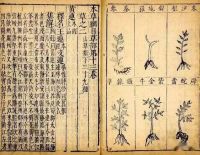 This book is a medical text passed down through
three generations since Unpei's grandfather
transcribed it?from Naomi to Unpei?and also
served as a reference for treating Otsugi's
illness.
This book is a medical text passed down through
three generations since Unpei's grandfather
transcribed it?from Naomi to Unpei?and also
served as a reference for treating Otsugi's
illness.
Kae was held in a grip of unrelenting tension.
She felt the hundred-year weight of tradition
sitting like a silent, invisible phantom
right beside her, and under its crushing
pressure, a deep shudder began to ripple
from the very core of her being.
Kae was held in a grip of unrelenting tension.
She felt the hundred-year weight of tradition
sitting like a silent, invisible phantom
right beside her, and under its crushing
pressure, a deep shudder began to ripple
from the very core of her being.・・・Soon,
Kae made eye contact with Otugi. Then Otugi
seemed to say, “It's okay, you'll be fine.”And
it was my first time drinking kae wine.
Here, Naomichi, drunk on sake, began telling
the story of the Hanaoka family's ancestors,
starting with the Emperor in his thirties.
敏達天皇は、古墳時代の終焉から飛鳥時代の幕開けという、日本史における大きな転換期に在位した第30代天皇です。父である欽明天皇の跡を継ぎ、572年に即位した彼の治世は、国内の宗教対立と朝鮮半島における外交問題という、内憂外患の時代でもありました。敏達天皇の治世において、最も特筆すべきは仏教の受容を巡る「崇仏論争」です。当時の朝廷では、渡来系氏族と結びつき新興勢力として台頭していた大臣・蘇我馬子と、古来の軍事・祭祀を司り伝統的な神道を重んじる大連・物部守屋が激しく対立していました。584年、蘇我馬子が私的に仏像を安置し仏殿を造営した際、折悪く疫病が流行しました。これを「異国の神(仏)を祀ったことによる国神の怒り」と断じた物部守屋は、天皇の許可を得て寺院を焼き払い、仏像を難波の堀江に投げ捨てるという強硬手段に出ました。しかし、その後も疫病は収まらず、最終的に天皇は馬子に対して、あくまで「私的な信仰」に限り仏教を祀ることを許可しました。この決断が、後の飛鳥文化や聖徳太子による仏教興隆の重要な布石となりました。対外政策においては、父・欽明天皇の悲願であった朝鮮半島の「任那(みまな)」復興に注力しました。百済を通じて新羅と交渉を重ねるなど、失われた半島の権益を取り戻そうと試みましたが、新羅の勢力拡大や当時の国際情勢に阻まれ、目覚ましい成果を上げることはできませんでした。この課題は次代以降へと引き継がれることになります。敏達天皇自身は、儒教を好み伝統を重んじる保守的な性格であったと伝えられていますが、彼の周囲には後の歴史を動かす重要な人物たちが揃っていました。最初の皇后である広姫の死後、皇后となった豊御食炊屋姫尊は、後に日本初の女性天皇である推古天皇として即位します。585年、敏達天皇が崩御すると、皇位は弟の用明天皇へと引き継がれました。彼の治世は、古い豪族政治から律令国家への過渡期に位置し、物部氏という旧来の勢力と、蘇我氏という新しい勢力がせめぎ合う中で、皇権がどのように舵取りをしていくかを模索した時代であったと言えるでしょう。
敏達天皇の時代は、一見すると宗教的な混乱期に見えますが、それは日本が大陸から入ってきた新しい思想や技術を、自国のシステムの中にどのように組み込んでいくかを激しく葛藤したプロセスそのものでした。彼が保った慎重なバランスこそが、後の飛鳥時代の華々しい発展を支える土台となったのです。
Emperor Bidatsu: The Dawn of the Asuka Period
and the Era of Buddhist Controversy Emperor
Bidatsu, the 30th emperor of Japan, reigned
during a major turning point in Japanese
history: the end of the Kofun period and
the dawn of the Asuka period. Succeeding
his father, Emperor Kinmei, he ascended the
throne in 572. His reign was an era of internal
strife and external threats, marked by religious
conflict within the country and diplomatic
issues on the Korean Peninsula. Domestic
Politics: The Soga and Mononobe Clans' Conflict
and the Acceptance of Buddhism The most notable
event during Emperor Bidatsu's reign was
the “Buddhist Controversy” surrounding
the acceptance of Buddhism. At the imperial
court, a fierce conflict raged between Soga
no Umako, the Minister of the Left who had
risen as an emerging power linked to immigrant
clans, and Mononobe no Moriya, the Minister
of the Right who governed ancient military
and ritual affairs and upheld traditional
Shinto. In 584, when Soga no Umako privately
enshrined Buddhist statues and constructed
a temple, an epidemic unfortunately broke
out. Mononobe no Moriya declared this to
be “the wrath of the national deities caused
by enshrining a foreign god (Buddha).” Obtaining
the Emperor's permission, he resorted to
drastic measures: burning down the temple
and throwing the Buddhist statues into the
Horie River in Naniwa. However, the plague
persisted. Ultimately, the Emperor permitted
Umako to worship Buddhism strictly as a “private
faith.” This decision became a crucial foundation
for the later Asuka culture and the flourishing
of Buddhism under Prince Sh?toku. Foreign
Policy: The Obsession with Restoring Mimana
In foreign policy, he focused on reviving
“Mimana” on the Korean Peninsula, a long-cherished
goal of his father, Emperor Kinmei. He attempted
to regain lost interests on the peninsula,
including repeated negotiations with Silla
through Baekje. However, hindered by Silla's
expanding power and the international situation
of the time, he could not achieve remarkable
results. This challenge would be passed down
to subsequent generations. Imperial Succession
and Cultural Positioning Emperor Bidatsu
himself is described as having a conservative
nature, favoring Confucianism and valuing
tradition. However, his entourage included
key figures who would later shape history.
After the death of his first empress, Hirohime,
his second empress, Toyomiketsukiyahime,
would later ascend the throne as Empress
Suiko, Japan's first female emperor. In 585,
upon Emperor Bidatsu's death, the throne
passed to his younger brother, Emperor Yomei.
His reign marked a transitional period from
the old aristocratic politics to the ritsury?
state system. It was an era of searching
for how imperial authority could navigate
the power struggle between the established
Mononobe clan and the emerging Soga clan.
Conclusion The era of Emperor Bidatsu may
appear, at first glance, to be a period of
religious turmoil. However, it was precisely
the process of intense struggle over how
Japan would integrate new ideas and technologies
arriving from the continent into its own
domestic system. The careful balance he maintained
laid the foundation that would support the
splendid development of the later Asuka period.
日本の歴史において、古代の君主である敏達天皇と、中世の悲劇の英雄・楠正成は、約750年という長い歳月を隔てて存在しています。しかし、両者の間には「血脈」という一本の細く、しかし強固な糸が通っています。その鍵となるのが、名門氏族である「橘氏(たちばなし)」の存在です。敏達天皇は、飛鳥時代の幕開けを象徴する第30代天皇です。その家系は、奈良時代に至り大きな転換点を迎えます。敏達天皇の玄孫(孫の孫)にあたる美努王(みのう)の子、葛城王(後の橘諸兄)が皇族の身分を離れ、臣籍降下して「橘」の姓を賜ったのです。ここに、敏達天皇を祖とする「皇別橘氏」が誕生しました。橘氏は、源・平・藤原氏と並ぶ名門四姓の一つとして、清廉潔白で気高いイメージをまといながら、歴史の表舞台に登場することとなります。時が下り、南北朝時代。河内の地で挙兵し、後醍醐天皇を支え続けた武将・楠正成は、自らをこの「橘諸兄の後裔」であると任じました。現存する正成の書状や公的な文書には「橘正成」という署名が見られ、彼が単なる地方の武家ではなく、高貴な血を引く誇り高き一族であることを強く意識していたことが伺えます。楠氏の象徴である「菊水」の家紋についても、後醍醐天皇から賜った皇室の「菊」と、橘氏の家紋である「橘(タチバナ)」、あるいはその血筋を象徴する水の流れを組み合わせたものとする説があり、彼のアイデンティティがいかに敏達天皇の系譜に根ざしていたかを物語っています。なぜ、正成はこれほどまでに敏達天皇の後裔であることを重視したのでしょうか。それは中世という時代において、自らの正統性を証明することが、戦うための最大の根拠となったからです。正成にとって、敏達天皇の血を引くということは、自分が単なる「暴力を行使する武士」ではなく、「天皇を命がけで守るべき運命にある一族」であることを意味していました。この血脈の意識こそが、圧倒的な不利な状況にあっても後醍醐天皇への忠誠を貫き通した、彼の揺るぎない精神的支柱となったのです。
江戸時代以降、儒学者や国学者たちは、正成の比類なき忠義心を「敏達天皇の気高い血筋がなせるわざ」として称賛しました。古代の天皇と中世の武将。二人の間には、血縁という形式的な繋がりを超えて、「国の中心を想う」という日本独自の精神性が連綿と受け継がれていました。敏達天皇という源流から流れ出した橘氏の血は、楠正成という大河を経て、現代においても日本人の理想的な忠義の象徴として語り継がれています。この時空を超えた結びつきは、日本という国の連続性を象徴する美しい物語の一つと言えるでしょう。
In Japanese history, Emperor Bidatsu, an
ancient monarch, and Kusunoki Masashige,
a tragic hero of the medieval period, existed
separated by a span of approximately 750
years. Yet, a single, thin yet strong thread
of “bloodline” connects them. The key to
this lies in the existence of the prestigious
clan, the Tachibana clan.Emperor Bidatsu,
the 30th emperor, symbolized the dawn of
the Asuka period. His lineage reached a major
turning point in the Nara period. Prince
Katsuragi (later Tachibana no Moroe), son
of Prince Minou (Emperor Bidatsu's great-grandson),
left the imperial family, was granted commoner
status, and received the surname “Tachibana.”Here,
the “Imperial Branch Tachibana Clan,” tracing
its ancestry to Emperor Bidatsu, was born.
The Tachibana clan emerged onto the historical
stage as one of the four prestigious clans,
alongside the Minamoto, Taira, and Fujiwara
clans, embodying an image of integrity and
nobility.
Samurai Identity: Kusunoki Masashige's Self-Identification
Time passed, and the Nanboku-chM period arrived.
Kusunoki Masashige, the warrior who raised
his banner in Kawachi and steadfastly supported
Emperor Go-Daigo, declared himself a descendant
of this “Tachibana Morooka.” Existing letters
and official documents signed by Masashige
bear the name “Tachibana Masashige,” revealing
his strong awareness that he was not merely
a local warrior but a proud member of a noble
lineage.Regarding the Kusunoki clan's emblem,
the “Kikusui” crest, one theory suggests
it combines the imperial “chrysanthemum”
granted by Emperor Go-Daigo, the Tachibana
clan's crest, and the flowing water symbolizing
their lineage. This speaks to how deeply
his identity was rooted in the lineage of
Emperor Bidatsu.
The Loyalist Spirit Sustained by Bloodline
Why did Masashige place such immense importance
on being a descendant of Emperor Bidatsu?
In the medieval era, proving one's legitimacy
became the paramount justification for waging
war.For Masashige, bearing Emperor Bidatsu's
blood meant he was not merely a “warrior
wielding violence,” but a member of a clan
“destined to protect the Emperor at the
cost of their lives.” This consciousness
of bloodline became his unshakable spiritual
pillar, enabling him to remain loyal to Emperor
Go-Daigo even in overwhelmingly disadvantageous
circumstances.
A Bond Woven by History
From the Edo period onward, Confucian scholars
and Kokugaku scholars praised Masashige's
unparalleled loyalty as “the work of Emperor
Bidatsu's noble bloodline.” Between the
ancient emperor and the medieval warrior
lay a continuity of Japan's unique spirit?“devotion
to the heart of the nation”?transcending
mere formal blood ties.
The bloodline of the Tachibana clan, flowing
from its source in Emperor Bidatsu, passed
through the great river that was Kusunoki
Masashige. Even today, it is passed down
as a symbol of the ideal Japanese loyalty.
This bond transcending time and space stands
as one of the beautiful stories symbolizing
the continuity of the nation of Japan.
Kusunoki Masashige had a great-grandfather,
and the grandson of his younger brother exists.this
man is Wadagoro Hyoe no JM Masayuki.It is
said that he lived in what is now Tondabayashi
City, Osaka Prefecture, and that taking the
surname Hanaoka marked the beginning of the
Hanaoka lineage.Therefore, the Hanaoka family
is related by blood to Kusunoki Masashige.
.jpg)
.jpg) Doctors are in the business of saving lives.Even
when someone dies of old age, we agonize
over whether there might have been another
way to save them. This is the normal way
of thinking.The Hanaoka family became exclusively
physicians in my father's generation, making
Unpei the third in line. But this... Damn
it. Couldn't I have thought of another way?
That frustration, piled up from my ancestors,
is precisely why I sent Unpei to study in
Kyoto.The birth of Unpei occurred 23 years
ago.Naomichi had described the scene during
childbirth using hand gestures and mimicking
movements.Then, stepping out into the garden
and looking up at the sky, I saw clouds drifting
leisurely across it. That's why this child's
name, Unpei, came from that scene.「雲」「平」
Doctors are in the business of saving lives.Even
when someone dies of old age, we agonize
over whether there might have been another
way to save them. This is the normal way
of thinking.The Hanaoka family became exclusively
physicians in my father's generation, making
Unpei the third in line. But this... Damn
it. Couldn't I have thought of another way?
That frustration, piled up from my ancestors,
is precisely why I sent Unpei to study in
Kyoto.The birth of Unpei occurred 23 years
ago.Naomichi had described the scene during
childbirth using hand gestures and mimicking
movements.Then, stepping out into the garden
and looking up at the sky, I saw clouds drifting
leisurely across it. That's why this child's
name, Unpei, came from that scene.「雲」「平」
.jpg)
I saw a stabe, low and very bate,
A ittle child in a maanger.
The oxen knew Him, had Him
in their care,
To men He was a stranger.
To safety of the world was lying there,
And the world was lying there, And the world’s danger. [ I
saw a Stable ]
�D
At the Hanaoka residence, RyMan Shimomura
handled the miscellaneous tasks of medical
practice, while Okatsu and Koriku, after
finishing cooking and laundry,turned to the
weaving loom.
.jpg) Never rush. It will tangle the thread.
Never rush. It will tangle the thread.
Kae realized this cloth was being sold and
woven as tuition money for Unpei in Kyoto.Kae
volunteered, asking to join the group.Otugi
gladly welcomed Kae.Then, Otugi graciously
guided her.And Kae had been weaving six inches
a day.
Naomichi's physical strength declined after
he turned sixty, which meant he had to stop
doing house calls. Instead, he left this
task to his disciple, Naomichi.Even so, patients
seeking treatment for tumors never ceased
to come to Naomichi, who had studied oncology
of the Dutch type.Naomichi treated not only
such patients but also those with colds and
broken bones.The pace is as hectic as a modern general
hospital. Yet the Hanaoka household continues
to live in poverty.Nevertheless, the Hanaoka
family drastically reduced their living costs,
surviving on bread and water alone. They
even stopped preparing for Okatsu's wedding
and stopped Naomichi from having her evening
drinks.It is only because they hope that
one day Unpei will return and have mastered
the medical skills required to save patients
suffering from tumours that the family has
been able to endure this difficult life.Even
amidst such a life, Otsugi's appearance remained
impeccable?her hair untangled, her everyday
clothes unblemished.After her marriage, Kae slept in the same
room as Otugi, so she gradually became less
self-conscious.
In the front yard of the house was a medicinal
herb garden, and Kae was learning the types
of herbs from Otsugi.Among them, Kae found
a large eggplant and asked Otsugi about its
medicinal properties.We call it the eggplant-like
plant. Its leaves and branches resemble an
eggplant, but across the river they call
it the Korean morning glory.
“I first saw this flower when I was eight
years old.”kae seid.
“Why?”otsugi seid.
“I heard there was a beauty in this house,
so I came to see her, brought by my milkmaid.”
“That's what I call crazy eggplant karma.”
.jpg) Refer to the illustration in �@.
Refer to the illustration in �@.
�EKaede, age 24
On this day, we were weaving in the bitter
cold. It was so cold that it froze to the
bone. Then, suddenly, everyone began to clamor.Because
Kae's son-in-law, Kumpei, had been returned
to Wakayama.While Kae went to boil water
to wash Unpei's feet, she had finished drying
them with the towel Otsugi had given her.
.jpg)
Otugi, who had always been so attentive to
Kae that he seemed to anticipate her every
need, began to appear cold and distant from
that day onward. Kae wandered around the
kitchen, watching Otugi and her younger sister,
Koriku, enjoying their encounter with Unpei.
.jpg)
.jpg)
That evening's dinner was joined by Naomichi's
disciples Shimomura Riyowan and Imose Yonejiro.it
was to hear Unpei's story.Unpei told them
about the studies in Kyoto.
��The doctor I studied under, Yamato Kenryu,
is a surgeon directly descended from Kaspar.【Caspar
Schamberger (German: Caspar Schamberger[1],
September 11, 1623 ? April 8, 1706) was a
German surgeon and merchant. He resided in
Japan from 1649 to 1651 and became the founder
of the first school of Dutch medicine in
Japanese history (“Caspar School of Surgery”).】It
is a different medical practice from my father's
Southern Barbarian medicine.Dr. Yamato taught
that one must not carelessly apply a scalpel
to the affected area, but rather study the
root cause of the disease.At the same time,
I also studied under Dr. Yoshimasu, a practitioner
of Kampo medicine.
【Yoshimasu Nangai. Tracking the footsteps
of this renowned father-son duo in Japan's
Kampo world reveals a dramatic shift in thought
that cannot simply be described as 'inheriting
tradition'. Similar yet different, father
and son were both revolutionary thinkers.
He declared that the cause of illness was
a tangible 'poison' that had taken root within
the body. There was no need for theory ?
just expel that poison from the body with
medicine. His approach was a dry, physical
'medicine of attack', somehow reminiscent
of modern Western medicine. His son, Nangai,
however, was different. While using his father's
words, he gently returned their meaning to
the vessel of ancient tradition. The Magic
of the Word 'Poison' Nangai did not discard
his father's term 'poison'. Instead, he reinterpreted
it as 'an invisible imbalance'. This led
him to formulate his famous “Qi, Blood,
and Water” theory. "The true nature
of poison lies in the poor circulation of
'Qi, Blood, and Water' within the body."
】I visited Dr. Yoshimasu because I grew
up observing my father, Naomichi, practicing
medicine to treat colds.Therefore, I will
perfect surgical medicine by incorporating
Kaspar's medical techniques based on Professor
Yoshimasu's teaching of self-practice and
hands-on experience.From now on, I will devote
myself to living creatures that live and
move, and to pursuing the ultimate principles
of all things.“・・・・・・・・・・・・Living Things: The Pursuit of TruthProfessor Komai, a doctor at Wakayama Medical
University, had been strongly advocating
this spirit on radio and other media. He
incorporated the Korean morning glory into
the school emblem and planted Korean morning
glories beside the entrance gate of the nursing
department.I heard about Caspar on the radio
again..This archetype is surely a man named
Matsuda, who appears before others in a blood-stained
white coat, as if he were a butcher carving
meat from a cow.
“Living things, the principles of life?I
see.”
”Both Western learning and traditional Chinese
medicine have their respective strengths
and weaknesses.Without understanding these
strengths and weaknesses, you cannot become
a doctor from now on."
“Yours is public opinion!”
"Medical science knows no past or present
? the human body has remained unchanged throughout
the ages.“
"My goal is Kada."
He was a legendary physician who practised
from the late Eastern Han Dynasty to the
early Three Kingdoms period in China. He
was renowned for his expertise in pharmacology
and acupuncture, and was said to be able
to cure any illness.
・Physical exercise therapy that mimics the
movements of five types of animals: tiger,
deer, bear, monkey, and bird,
・He treated Cao Cao's chronic headaches,
laying the foundation for the Wei dynasty.
However, because he refused to serve Cao
Cao, he was ultimately executed.
・He removed the tumor that had formed in
the patient's brain.
Neither Caspar nor traditional Chinese medicine
could cure it.
.jpg)
Unpei showed everyone the tools used in Kaspar's
medical practice.
.jpg)
'Over the past three years, Okatsu and Koriku
had been working hard to earn money towards
your brother's tuition fees.”
・・・・・・・・・Kae couldn't believe her
ears.Until Unpei came home, during family
gatherings, he would cling to me, saying
“Kae, Kae,” but now he never even turns
to look at me.At that moment, Kae felt an
unexpected, intense hatred well up toward
Otsugi.
“Even after tying the knot, I'm the only
outsider in this house."
That was the moment Kae truly grasped the
difficulty women faced in becoming blood
relatives of the Hanaoka family.Is this what they call a “house spirit”?
.jpg)
�F
Naomichi Hanaoka passed away three years
later. It was a very peaceful death.
Naomichi's wife and mother-in-law had been
on good terms until six months ago, but after
Unpei came home, they stopped speaking altogether.
At that time, Kae was picking morning glory
flowers blooming in the herb garden.Kae suddenly
looked up and saw Unpei standing next to
her.
"It seems they didn't wait long enough
to produce seeds."
“This is a good opportunity. Let's try it
with flowers.”
Kae hung this flower from the kitchen ceiling
to dry.Then Otsugi began speaking to Kae.
“Wash your hands thoroughly after finishing.”
“Yes.”
.jpg) In such circumstances, a pharmacy spoke to
Unpei about something that piqued his interest.
In such circumstances, a pharmacy spoke to
Unpei about something that piqued his interest.
“A strange disease is spreading in Sakai
City.”
“It looks like an osteoma.”
“I can cure it.”Unpei says
�G
At age 26, Kae became pregnant.Around this
time, Unpei had come to be called Seishu
by everyone.
Around this time, the popularity of Unpei's
bone lump treatment skyrocketed, and the
clinic was packed with people.
In this region, there was a custom of returning
to one's parents' home to give birth.
When Kaede returned to her parents' home,
she vented her frustration to her mother
about her mother-in-law's words and actions.
However, my mother did praise my mother-in-law.
Kae began to suspect that her mother had
been manipulating her stepmother into hating
her.The reason is due to Uumpei's actions.
.jpg) Several dogs and cats were always fast asleep
in Seishu's room. When he mixed various decoctions
into rice porridge simmered in fish broth
and fed it to them, each began to show changes.
A dog circling endlessly in one spot, another
growling and collapsing onto its back, a
cat scratching at various places and wailing
sadly. A dog that escaped from the house.・・・・・Otsugi
must have hidden this from Kae.
Several dogs and cats were always fast asleep
in Seishu's room. When he mixed various decoctions
into rice porridge simmered in fish broth
and fed it to them, each began to show changes.
A dog circling endlessly in one spot, another
growling and collapsing onto its back, a
cat scratching at various places and wailing
sadly. A dog that escaped from the house.・・・・・Otsugi
must have hidden this from Kae.
Seishu had been grabbed Miru the cat by the
scruff and repeatedly shoved her face into
a bowl filled with shochu.
“Gyaa!?” Miru’s scream
“I put mandrage flowers in it.”
“It's made by mixing the juice of mandrageflowers
picked with Kae with shochu.”
Seishu did not immediately test on humans,
but instead spent several years conducting
repeated experiments at his home (Shunrinken)
using numerous dogs and cats.
1785〜1790s: After returning home, he studied
the compounding of anesthetics through self-education.
His days were spent administering the concoctions
to cats and dogs, observing the degree of
pupil dilation, breathing patterns, and depth
of sleep.The anesthetic developed by Seishu
was an oral medication, so unlike modern
inhalation or intravenous anesthesia, it
took considerable time to take effect.
After ingestion: The drug began to take effect
in about 2 hours.Complete unconsciousness
(sleep): Approximately 4 hours after ingestion.
Records indicate that only at this stage
were the animals finally in a state suitable
for surgery (deeply asleep).
Time until awakening
Once asleep, the animals continued sleeping
for about 6 to 8 hours before finally regaining
consciousness.
-・・・・・Perhaps due to the heightened
state of pregnancy, Kae kept having nightmares
about dogs and cats covered in blood, even
when they were sleeping.
.jpg)
The moment of childbirth filled me with immense
joy, beyond anything I could have imagined.
It is a special joy that only women experience.The
excruciating pain, which lasted almost half
a day, felt as though my body was being torn
apart. Yet the moment the baby emerged, the
agony and distress of loves the labour vanished
instantly. I shared a sense of accomplishment
with the other women present.
“She's got a fine figure, doesn't she? How
about the name Koben? I thought Kae would
give birth to a girl.”
�H
When Koben was four years old, Okatsu fell
ill.She is 30 years old.
"Is something wrong with your body?"
she asked.
“Does it look like that to you?”
But Tane said
“Sis's breasts are like watermelons.”
“Okasu, show me.”
.jpg) The first breast cancer surgery under general
anesthesia using Tuuhusen-san, performed
by Hanaoka Seishu, was conducted on October
13, 1805.The patient was Kan, mother of Aya
Rihei.According to records in the Breast
Cancer Treatment Records and other sources,it
was a large, advanced, reddened tumor on
the verge of spontaneous rupture.The surgery
was successful, but she reportedly died four
and a half months post-operatively.It is
thought that the cancer had metastasized
throughout her body.
The first breast cancer surgery under general
anesthesia using Tuuhusen-san, performed
by Hanaoka Seishu, was conducted on October
13, 1805.The patient was Kan, mother of Aya
Rihei.According to records in the Breast
Cancer Treatment Records and other sources,it
was a large, advanced, reddened tumor on
the verge of spontaneous rupture.The surgery
was successful, but she reportedly died four
and a half months post-operatively.It is
thought that the cancer had metastasized
throughout her body.
In breast cancer removal, after making
a skin incision, the area around the tumor
is dissected with a scalpel or scissors,
the tumor is grasped with both hands and
enucleated, sutured, and then pressure hemostasis
is performed.
The number of patients recorded in the
breast cancer registry is 156.Not all cases
underwent surgery; the number of surgical
procedures is estimated to be 143. There
were 6 recurrence cases and 2 triple recurrence
cases(re-recurrence). This includes a case
where the patient died immediately after
surgery due to approximately 1000 ml of
bleeding.
Seishu also improved surgical treatment
by improving various surgical instruments
and devising ligation methods. He required
patients to sign a written pledge before
surgery, a meticulous preparation that is
still relevant to medical safety today.
“From when?”
“Starting in May”
“Why didn't you say so at the time?”
“I have breast cancer.”
・・・・・Seishu remains silent. It is common
knowledge that there is no cure for breast
cancer.He prescribed only a decoction and
a poultice as mere comforts.
On 20 January, after the new year had begun,
Okatsu died.
Seishu recalled the notebook he had kept
during his time in Kyoto, filled with notes
on Dutch surgical techniques.
乳岩不治、自古然、而和蘭書中有言曰、其初初発如黴核之時。以快刃割之。後従合創之法治之。斯言有味。雖余未試之。書以告後人。
It has long been the established belief that
breast cancer is incurable. However, Dutch
texts state: ‘If excised with a sharp blade
in its early stages and the wound closed,
it can be cured.’ This is a most intriguing
statement. I have not yet tried it myself,
but I record it here for posterity.
He left these writings as a testament to
his belief that medicine is ever-evolving,
entrusting its future progress to the hands
of coming generations.
"It's regrettable that she died. But
this was her fate."
"Doctors are not monks. No matter what
the illness is, a doctor must not allow a
patient to die. It was my medical incompetence
that caused Okatsu's death. I let her die."
10
Kae, 39 years old. She's been married for
15 years now.It was around the time when
Seish? had been researching anesthesia for
over ten years.
A medicine effective for cats has been developed.However,
human experimentation has yet to begin.
.jpg)
'I can't bear to see him suffering in silence
like this.'
“Mom, that's my job.”
“My days are numbered. You must carry on
the family spirit.”
“Quiet down!”
“Those who meet life's end or sacrifice
their lives are those who have to faith in
the medicine I created.”
Seishu boasted to the two, but he was worried
about the medicine's side effects. After
waking from the anesthesia, the cat Mafutsu
lay around all day, not catching mice.
.png)
It was decided that this experiment would
not be revealed to any of his disciples.
Seishu had prepared the medicinal bath himself.
Only three people were in the room: Kae,
Otsugu, and his son. Holding a large teacup
in both hands, Otsugu quietly asked her son:
.jpg) “My last will: Should I die, let your younger
brother inherit the Hanaoka family.”It has
been decade since Kae gave birth to her daughter,
and she worries that she has not yet had
another child.
“My last will: Should I die, let your younger
brother inherit the Hanaoka family.”It has
been decade since Kae gave birth to her daughter,
and she worries that she has not yet had
another child.
"How long will it take for it to take
effect?"
"It will probably vary depending on
your constitution, but I think it won't take
more than a few hours."
"Unpei"
"yes"
"You're my child."
・・・・・・・・・・Once Otsugi was asleep,
Seishu returned to the examination room.
"The medicine I gave my mother didn't
contain monkshood, it was mixed with alcohol,
so she just slept."
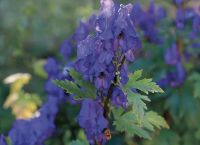 There is no plant called monkshood, and the
term generally refers to plants of the genus
Aconitum in the Ranunculaceae family.The
entire plant contains aconitine alkaloids,
including highly toxic aconitine.Its tuberous
root (radicle) is made into a medicinal herb
called aconite, but because its effects are
too strong when left as is, it is generally
processed to ensure safe use.In the past,
the fish would be covered with wood ash or
lime or salted, but nowadays it is common
to heat it under pressure in a high-pressure
cooker.This heating converts aconitine and
other compounds into less toxic compounds.Aconite
is a medicinal herb known for its medicinal
properties, including pain relief, cardiac
stimuli, metabolic function enhancement,
and diuretic properties, and is used in traditional
Chinese medicine.It also has a strong warming
effect on the body and is used in herbal
medicine to treat symptoms accompanied by
chills.Aconite contains a compound called
higenamine, which is a controlled doping
substance, so athletes should be careful
when using herbal medicines that contain
aconite.
There is no plant called monkshood, and the
term generally refers to plants of the genus
Aconitum in the Ranunculaceae family.The
entire plant contains aconitine alkaloids,
including highly toxic aconitine.Its tuberous
root (radicle) is made into a medicinal herb
called aconite, but because its effects are
too strong when left as is, it is generally
processed to ensure safe use.In the past,
the fish would be covered with wood ash or
lime or salted, but nowadays it is common
to heat it under pressure in a high-pressure
cooker.This heating converts aconitine and
other compounds into less toxic compounds.Aconite
is a medicinal herb known for its medicinal
properties, including pain relief, cardiac
stimuli, metabolic function enhancement,
and diuretic properties, and is used in traditional
Chinese medicine.It also has a strong warming
effect on the body and is used in herbal
medicine to treat symptoms accompanied by
chills.Aconite contains a compound called
higenamine, which is a controlled doping
substance, so athletes should be careful
when using herbal medicines that contain
aconite.
 三宅 克典薬用植物園における植物の展示法/日本の植物のエキスライブラリ化/生薬麻黄の原料のマオウ属植物の栽培
.jpg)
.png)
.png)
.jpg)
.JPG) As an aside, in Japan, there is a song that
the Emperor sings about the succession of
the family spirit."Manyoshu" Maki
8
As an aside, in Japan, there is a song that
the Emperor sings about the succession of
the family spirit."Manyoshu" Maki
8
・1637 Hadasusuki obana sakafuki kuroki mochi tsukureru muro ha yorozuyo madeni
"Behold this dwelling! It is a structure
wrought of the rugged, unbarked timber of
the wild?the very black wood of old. Its
roof is clad in the stripped stalks of Miscanthus,
with every plume turned solemnly earthward
in the ancient fashion. May this humble yet
hallowed house stand defiant against the
tides of time, enduring not merely for a
season, but for ten thousand generations
to come!"
.png) "As expressed in the Imperial Edicts of 715
and 717, the prosperity of the nation finds
its very foundation in the well-being of
the people; thus, every effort was made to
seek ways to enrich their lives. Provincial
governors were directed to lead the development
of agriculture, and public servants were
reminded that their true purpose was to serve
and save the people, as they strove to establish
a social order rooted firmly in the Rule
of Law."
"As expressed in the Imperial Edicts of 715
and 717, the prosperity of the nation finds
its very foundation in the well-being of
the people; thus, every effort was made to
seek ways to enrich their lives. Provincial
governors were directed to lead the development
of agriculture, and public servants were
reminded that their true purpose was to serve
and save the people, as they strove to establish
a social order rooted firmly in the Rule
of Law."
・1638 Aoniyosi NARA no yamanaru kuroki mochi tsukureru muro ha zasedo akanu kamo
"According to oral tradition, this Imperial
poem was composed by the Empress on the occasion
of her visit to the Saho residence of Nagaya,
the Minister of the Left, where a grand banquet
was held."
"Behold this residence, fashioned from the
rugged, unbarked timber of the verdant hills
of Nara?that ancient city so fair to the
eye! It is a structure of such singular and
rustic dignity that one might linger before
it from the rising of the sun unto its setting,
and yet again until the stars grow pale,
without ever feeling the faintest shadow
of weariness. Indeed, to dwell upon its simple
form is to find a fountain of refreshment
for the soul that never, no never, runs dry!"
.png) 1637,1638.Both are Man'yoshu poems praising
Nagaya no Oh.He elevated his mother's honorific
title upon becoming the Heavenly King.About
his mother"In the salt-sprayed ruggedness
of the Kishu coast, there once dwelt a maiden
of the sea named Miyako. She was a creature
of the tides, a diver of the deep, possessing
a beauty as wild and untamed as the ocean
gale, and tresses of hair so long and lustrous
they seemed woven from the very midnight
sky. Fate, in its mysterious weaving, plucked
this pearl from her humble oyster-bed and
bore her far away to the gilded cages of
the Capital. There, the simple fisher-girl
was transformed into a noble lady, yet the
roar of the surf ever echoed in her lonely
heart, a haunting melody of the home she
had left behind for the cold splendor of
a throne."
1637,1638.Both are Man'yoshu poems praising
Nagaya no Oh.He elevated his mother's honorific
title upon becoming the Heavenly King.About
his mother"In the salt-sprayed ruggedness
of the Kishu coast, there once dwelt a maiden
of the sea named Miyako. She was a creature
of the tides, a diver of the deep, possessing
a beauty as wild and untamed as the ocean
gale, and tresses of hair so long and lustrous
they seemed woven from the very midnight
sky. Fate, in its mysterious weaving, plucked
this pearl from her humble oyster-bed and
bore her far away to the gilded cages of
the Capital. There, the simple fisher-girl
was transformed into a noble lady, yet the
roar of the surf ever echoed in her lonely
heart, a haunting melody of the home she
had left behind for the cold splendor of
a throne."
"Within the silent, shadowed corridors of the
palace dwelt the Lady Fujiwara no Miyako?a
figure of profound solitude and a sorrow
so deep that the world of men had long since
forgotten her face. For thirty-six weary
years, a heavy mist had clouded her spirit,
severing the tender bond between mother and
son. She was a captive not of iron bars,
but of a melancholy as vast as the grey seas.
Yet, at the appointed hour, the heavens relented!
In a scene that would move even the coldest
stone to tears, the great Emperor Shomu knelt
before this phantom of a mother, and the
light of recognition dawned at last. It was
a resurrection of the heart, a blooming of
a flower long thought withered beneath the
winter snows."
.jpg) Historical Background
Historical Background
Daughter of Fujiwara no Fuhito: She was the
pivotal figure who marked the beginning of
"Gaiseki Seiji" (External Ancestor
Politics), a system where the Fujiwara clan
wielded immense power by marrying their daughters
into the Imperial family.
Thirty-six Years of Seclusion: Due to a mental
affliction following childbirth (or perhaps
political isolation), she was reportedly
unable to meet her son, Emperor Shomu, for
thirty-six long years.
Healing by the Priest Genbo: In 737, the
priest Genbo of the Hosso school healed her
through prayer. Finally, the reunion between
the Empress and the Emperor was realized?an
event that struck the people of the time
with profound awe and emotion.
"What a scene was there! In the dim, incense-laden
air of the palace, where time itself seemed
to have stood still in a dusty corner, the
long-lost mother and her Imperial son stood
face to face at last. For thirty-six winters,
a cruel mist had shrouded her mind, making
her a stranger to her own flesh and blood.
But as the priest’s orisons rose like smoke
to the heavens, the fog lifted!
There stood the Emperor?no longer the babe
she had lost, but a man burdened by the weight
of a crown?kneeling before the trembling
shadow of the woman who had given him life.
Tears, long frozen in the depths of the heart,
flowed as freely as a spring thaw. It was
as if two souls, shipwrecked on opposite
shores of a vast ocean of silence, had finally
been cast by a merciful wave into each other's
arms. The 'Pearl of the Sea' had found her
way home, and the heavy gates of sorrow were
flung wide to let in the golden light of
day!"
.However, after this, the incident involving
his mother Miyako led to the "Nagayao
Incident."……This will likely give
rise to researchers studying the Kii clan,
the Kii no kuni no miyatsuko, and ancient
burial mounds across the Kii River.
“Mom,” called Seishu.
“Yes, I'm awake.”
“Doesn't anything ache?“
"comfortable"
"Do you have eyesight?"
"I can see your face clearly"
"You can get up now, Mom."
However, as Kae had already heard from Seishu
about the contents of the reagent that Otsugi
had tested, she did not rejoice unreservedly.
11
Then, six months later, human trials of the
reagent for Kae.This time, it wasn't a reagent
designed to be considerate of parents; it
was the real substance that had been mixed
in.It was three days later, in the evening,
when the effects of the reagent wore off
and Kae awoke.It took seven days for Kae
to regain her strength enough to stand up
and go to the toilet on her own.It took half
a month for Kae to recover to her usual state
of health.
All this time, Otsugi stayed by Kae's side
while she slept, taking care of her bowel
movements.
It should be emphasized that while the text
“Hanaoka Seish?'s Wife” states that Kae
went to the latrine, Shunrin-ken did not
have a latrine. This was due to concerns
about infectious disease.The following is
omitted.
12
“How many days did you sleep?” This time,
Otsugi asked.
“Well, I haven't counted how many days it's
been.”
Around this time, instead of tears, eye discharge
began overflowing from Kae's eyes.
Two years later, Kae was once again his human
guinea pig for testing his reagents.
“This is called TsusensanI gathered enough
medicinal herbs to fill my arms, boiled them,
then pounded it all into powder.”
“Made it easier to drink”
13
Tsksen-san woke up the next day, unlike when
Kae drank the reagent before.but・・・
“Kae noticed.”
“Yes... but?”
“What's wrong?”My head feels like it's
splitting open, and everything's going black
before my eyes.”
Kae's headache faded with time, but Seishu's
mother, Otsugi, passed away.Yet Kae remained
blind.
Glaucoma Attack Caused by Anticholinergic
Poisoning
The primary ingredient of Ts?sensan, Mandarage
(Datura metel), contains alkaloids such as
atropine and scopolamine. These components
possess potent anticholinergic effects that
cause mydriasis (dilation of the pupils).
It is theorized?and frequently cited in medical
education?that this action triggered a rapid
increase in intraocular pressure, leading
to acute angle-closure glaucoma (a "glaucoma
attack") and resulting in blindness.
Synergistic Effect with Bushi (Aconite Root)
The pharmaceutical historian Domei Yakazu
pointed out that Bushi (Aconitum), which
was blended with the Mandarage, may have
further exacerbated the rise in intraocular
pressure.
Accumulation through Repeated AdministrationIt
is believed that the blindness was not caused
by a single dose, but rather by the accumulation
of toxicity resulting from repeated clinical
trials (human experimentation) conducted
to determine the appropriate dosage. This
led to irreversible visual impairment.
According to a paper by Akira Matsuki, Hanaoka
Seish? successfully performed the world's
first general anesthesia surgery using Mafuisan
on October 13, 1804. Matsuki's paper re-examines
Hanaoka's achievements and verifies prevailing
theories from the perspective of medical
history, marking the 200th anniversary of
this historic use of general anesthesia.
You can read the full paper at CIR.NII.AC.JP.
.png) The author has thus far advanced the story
with the sole intention of depicting the
quarrels between a daughter-in-law and her
mother-in-law. From this point onward, however,
the narrative will no longer center on the
daughter-in-law and mother-in-law's fixation,
but rather revolve around the blind woman
The author has thus far advanced the story
with the sole intention of depicting the
quarrels between a daughter-in-law and her
mother-in-law. From this point onward, however,
the narrative will no longer center on the
daughter-in-law and mother-in-law's fixation,
but rather revolve around the blind woman
14
.png) In 1801, a son was born to the Hanaoka family.
He was named Unpei. Though Kae could no longer
gaze upon her husband's face after losing
her sight and could not care for him as a
sighted person would, many disciples and
patients looked upon her with reverence.
This was because when Kae wandered the country
roads, villagers would stop their fieldwork.
In 1801, a son was born to the Hanaoka family.
He was named Unpei. Though Kae could no longer
gaze upon her husband's face after losing
her sight and could not care for him as a
sighted person would, many disciples and
patients looked upon her with reverence.
This was because when Kae wandered the country
roads, villagers would stop their fieldwork.
“Ka-e”
“Yeah what is it?”“Don't you want to go
on a trip?”
“Why again?”
“Because my legs are numb from the anesthetic
solution.”
Three years after giving birth to Unpei,
she became pregnant again. Age 44
“A lump has formed on the back of my neck,”
said Seishu's sister.
“It formed inside the blood vessel,” Seishu
said.
At that moment, Kae felt the baby move inside
her.As some die, others are born. When my
mother-in-law passed away, Kae was carrying
Unpei.Is this what they call the impermanence
of all things?
The new year came and my second daughter,
Kame, was born.But Kolik's blood clot was
getting bigger.
.png)
“I regret that I couldn't marry you off.”
“What are you saying?”“I never wanted
to get married. Why? Because I watched you
fight with my mother over my husband.The
other day, my mother's memorial service was
held, and all I heard from my sisters was
badmouthing my mother-in-law. Hearing that
makes me have to want to go.”
"I wonder. If my illness were yours,
would my brother really have just stood by
and done nothing?"
"Ah, what a wretched thing it is?the
bond between man and woman."
This is the story of Seishu first breast
cancer surgery.
The patient who lived in Gojo, Yamato Province,
was the first patient in history to undergo
breast cancer surgery under general anesthesia,
a procedure successfully ・performed for
the first time worldwide by Hanaoka Seishu.
Aihara Kan 60 years old (according to the Japanese
age system; some records say 59 years old)
Gojo Village, Uchi County, Yamato Province
(present-day Gojo City, Nara Prefecture)
At the beginning of Seishu's case report,
"Chigan Jitenroku," the progress
of the Gojo woman is described in detail.
"A woman named Aiya Kan from Gojo, Yamato
Province, had breast cancer. The shape of
her breast was like an upside-down rice bowl,
it was purple-black, and she was in excruciating
pain. Eventually, the skin broke and pus
leaked out. I gave her Ma Fu Tang (Ts?sen
San) to drink, and when she lost consciousness,
I removed the tumor."
This surgery was performed on October 13,
1804 (the first year of the Bunka era).
The patient, Kan Aihara, is said to have
died about four months after the surgery,
but the cause of death is thought to be a
recurrence and old age, rather than the surgery
itself. However, the fact that the surgery
itself was successful and the patient was
relieved from pain was an earth-shattering
event in world medicine at the time.
According to records, when she visited Seishu,
her breast cancer was already in the terminal
stage.The tumor in her right breast had swelled
up like an upside-down bowl, its surface
had turned purple-black, and part of it had
ruptured (the skin had broken down), releasing
a foul-smelling liquid that was a mixture
of pus and blood.In the early 1800s, doctors
routinely believed that if they tried to
cut such cancers with a blade, the patient
would die from shock or excessive bleeding.
October 13, 1804
[Description from the clinical trial record]
"Observing its shape, we cut off its
roots deeply. Bleeding was minimal."
The greatest surprise about this surgery
was that the patient did not scream. Up until
then, surgeries had been brutal, requiring
several people to hold down the patient and
the patient screaming amidst the procedure.
For his disciples who were present, it was
a magical sight to see Kan Aihara complete
the surgery while quietly asleep.
About 20 days after the surgery, the wound
began to close and she was well enough to
get up and about.He ultimately passed away
about four months after the surgery, but
this was inevitable given the sanitary conditions
at the time and the extent of the cancer
(metastasis).
.jpg)
While the world celebrated Dr. Seishu Hanaoka's
groundbreaking success in performing the
first mastectomy under general anesthesia,
a profound personal tragedy cast a long shadow
over his life. Just one month before he achieved
this historic medical feat on the patient
from Yamato, his own sister succumbed to
breast cancer at the age of 42.Despite his
relentless pursuit of a cure, his pioneering
anesthetic, "Tsusensan," arrived
too late for his beloved sister. He, the
very physician destined to revolutionize
surgery and alleviate unimaginable suffering,
was powerless to save his own kin. Her passing,
so close to the dawn of a new medical era,
remains a heartbreaking testament to the
brutal reality of disease in an age before
modern medicine, and a poignant reminder
of the personal cost endured by those who
tirelessly sought to conquer it.
In 1954, the International College of Surgeons
established a Hall of Fame at its headquarters
in Chicago to honor great surgeons who have
left their mark on the history of world medicine.
For a long time, it was believed that the
world's first surgery using general anesthesia
was ether anesthesia, performed by William
Morton of the United States in 1846. However,
after a thorough examination of Seishu's
records, it was officially recognized worldwide
that he had successfully performed surgery
using general anesthesia (Tsunsensan) 40
years earlier, in 1804.
The commemoration in Chicago was not simply
a victory of technology, but a moment when
the "family's determination to save
those suffering from illness," which
even cost them their beloved family and their
wife their light, was recognized as a common
human heritage, having crossed the Pacific
Ocean after 150 years.
North America's Only Museum Dedicated to
Surgery
権威
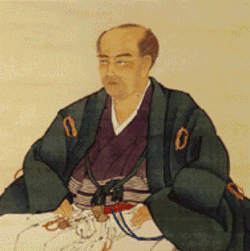 『華岡青洲』
竹 屋 蕭 然 烏 雀 喧 竹屋しょうぜんうじゃくかまびすし
風 光 自 適 臥 寒 村 風光おのづとかんそんに適す
唯 思 起 死 回 生 術 ただに思う起死回生術
何 望 軽 裘 肥 馬 門 なんぞけいきゅうひばのもんをのぞまん
≪医者が坊主のように寿命を信じられるか。どんな病でも病で人の死ぬときは医術が至らなんだからや、儂や、儂なんや、見殺しにしたのは儂の医術が足らなんだからや。この苦しみが分からんというのか≫
Can a doctor have the same attitude to lifespan
as a monk? When an illness claims a life,
it's because the art of medicine has failed.
It's my fault. I let them die because I lacked
the necessary medical skills. Do you claim
that you don't understand this suffering?
*直道
≪加恵はしかし街に待った華岡直道をみたときは、これが於継の夫かといたく失望した≫ 9p
≪左様、ほうる先生が来られたのは、後で知れば雲平の生まれた宝暦十年でしたのう。後でそれを知ったとき、儂は確信をもちましたのや。秋たけなわの十月二十三日ですわ。、、、、、、
儂はその日の天気を記念に残すため、震と名づけてすぐ通り名は雲平と定めたのです≫ 11p
*佐次兵衛
≪秋茄子は嫁に喰わさずというて美味いものは食べさせんちゅう姑の嫁いびりはようあることやのに、この当節にそれだけ気を遣う姑は他にあるものではない。有りがたいことや≫ 八
一 加恵八歳、はじめて於継を見た。
*於継 「威風既に備わった大家にして事なき生涯を送る」
≪、、、、、、それは古ぼけた家の軒からふと外へ出て来た於継の色白な横顔と、あまりにもよく似ていた≫ 5p
伊都郡丁の町 (和歌山県伊都郡かつらぎ町丁ノ町。松本家から上那賀郡名手平山の花岡家へ嫁いだ経緯である。
5p
≪(加恵の祖父が他界し)妹背家の家の中の中は人を失った悲しみよりも多くの弔問客を迎える準備で忙しく、、、、加恵が於継を見たのはこのときが二度目である。(加恵十八歳)≫14p
≪(於継妹背加恵二十一歳を嫁に)「こちらの加恵さまを手前どもの震に頂きたく、≫ 18p
≪名手本陣妹背家と手前どもでは家の比較にもならず、途方もないことを不躾にとお思いになるやもしれませんが、なにとぞ加恵さんには、威風既に備わった大家に嫁して事なき生涯を送るか、陋屋(ろうおく)をおこして城を築く構えで生きるか、その何れを選ばれるか考えて頂かしてとお伝えくださいまし。お堅い家風の中でまめやかにお育ちと伺うております加恵さんを震の嫁にはこの人よりないと見込んで伺いましたのでございますよってに≫ 20p
・於継華岡直道に嫁ぐ
≪丁之町の松本進次郎といえば、名手の妹背家とは家格の点でこそ較べものにならないけれども、地主である他に藍屋や染色業へも手を拡げてしかも堅実に取仕切っている評判の高い家であった。於継はその娘であったが、、、、、、適齢期にいたってひどい皮膚病に冒され、、、、、、於継が貧乏医者の家に嫁入りすることになってしまったのである≫≫ 6p
≪於勝は顔つきと違って性格は母親譲りでかなり賢い女だ≫ 五
加恵八歳、於継はたしか三十そこそこ
≪美っいこともさりながら、賢い女やいうて誰でも褒めんものはないのやして。どのように賢いのやら知らぬけれども、知るひとは皆そない云いなさる≫ 7p
≪(乳母)このあたりであのお方を知らん女はいてえしませんがのし、御大家から来なして貧乏にも不服をみせず、他所門の家を紀州になじませたというて、どなたも女の鏡というて
≪於勝も小陸も織り上手になってるのやよし、この三年、京都の兄さんの学費を作るのに二人とも一所懸命やったよってのし≫ 六
≪「今夜は一人で、ゆっくりおやすみ≫ �E
≪ご苦労さんやったのし、加恵さん。この次には男の子オ産んで頂かして、え≫ 八
≪身近くいて気附かないのは阿呆だけや≫ 十
≪私が於勝を亡くしたときと、加恵んの気持ちはようやく同しになったんやしてのし≫ 175p
*加恵の母
≪私も姑の苦労はしたつもりやけれども、なんというても旦那さんを産んでおくれたおひとやよってに、忍の一字があるのみやと思うてましたえ。私らは加恵と違うて箸の上げおろしにも小突かれ続やった。較べものにもならなんだわの。こんなに嫁が憎いものか、なんでやろかと考えこんだくらいやったよし、悪阻で寝ていれば気のゆるみというて叱られたし、美し子が生まれるようにと日に幾度厠掃除をやらされたかわかりません。いまいには袂の中が厠臭うになってしもうて、妊ると鼻がえらい利きますよってに、一日頭痛抱えてのし、それでも雑巾もって厠の中を這いずってましたがや≫
*乳母 民
*加恵
≪妹背家は近郷の地士頭と大庄屋を代々勤めている名門であり、藩主が伊勢路へ往復するときの宿と定められていたので、通称を名手本陣と呼ばれるほどの家柄だったから、士分の娘が百姓娘のように畦道を駈けまわるような真似は許されていなかったからである≫ 8p
≪それでも妹背家の家風は堅実で、加恵は読書きの他に裁縫も掃除の作法も激しく躾けられた≫8p
≪二人とも・・・・・・加恵は耳を疑っていた。・・・・・・・≫ 六
≪女が家入ることの難しさが、この断たれることのない血縁の壁の中に入ることの難しさだということを初めて思いしらされたのであった≫
≪生まれてくるのが華岡の家の者というなら、産もうとしている加恵は華岡家ではまだ他人なのか。加恵の歯も舌も胃袋も、華岡家の代継を養うための杵と臼のような道具でしかないというのか≫ 八
≪於継の底冷えのする親切を憎んだ≫ 八
≪もう十五年この家にいるのであった。於継の一顰一笑にびくびくしないだけ加恵はこの家に根を張っていたし、同じ屋根の下にいても具合の悪いことにはその手前で身をかわすという技術もいつの間にか身につけていた≫120p
≪身近くいて気附かないのは阿呆というのは、明らかに加恵をさしている≫ 十
≪嫁して三年小無きは去といいますのに、産んだのは女ひとりの能なしでございますよし。私の命の何が惜しめますか≫ 126p
≪四、文明二年の秋、加恵は花岡家に嫁いだ。妹背家では盛大な宴を張って娘を送りだしたが、この地方の習慣に従って婚家先には家人は誰も従わない≫ 31p
*小陸
≪温和しい一方で姉の指示道りに従順に働いている≫
≪今では小陸はこの家に無くてはならない存在だった≫372p
≪嫂さんの目は泣いたからやない。小弁が死んでから弱ったのとは違います。お母はんは気附いてなさらなんだんかのし。嫂さんは、嫂さんは、小弁の死ぬずっとまえから目が損んでなしたんや。時には盲になったんかと思えるほどひどいときもあったんですよ。あの我慢強い嫂さんが痛いと云うていなさるんはよほどのことですやろ。お母はん、これは兄さんにも云わないけまへんえ。お母はんが云いなさらんのなら、私が云うて参じます。嫂さんは、前の薬飲んで目エ悪うしてなしたんや≫ 180p
≪嫂さん、泣いてなさるのよし≫ 198p
≪・・・・・・私は嫁に行かなんだことを何よりの幸福やったと思うて死んでいくんやしてよし、私はみてましたえ、お母はんと、嫂さんとのことは、ようく見てましたのよし。なんという怖ろしい間柄やろうと思うてましたのよし。こないだもお母はんの法事で妹たちが寄ったとき、話す話が姑の悪口ばかり、云えば気が晴れるかと思うて、云わせるだけ云わせて聞き役してましたけども、女二人の争いはこの家だけのことやない。どこの家でもどろどろと巻き起こり巻返ししてますやないの。嫁にいくことが、あんな泥沼にぬめりこむことなのやったら、なんで婚礼に女は着飾って晴れをしますのやろ。長い振袖も富貴綿の厚い裾も翌日から黒い火が燃えつくようになれるのにのし。於勝姉さんも私も同じような病気で死ぬのやけれども、なんぼ苦しんだかて嫂さんのような目にあうより楽なものやないかと思うくらいですよし≫ 200p
*中川脩亭
≪はい。高野山橋本のひとやしてよし、中川脩亭と云うて、まだわかいのやけれども、京都でしばらく修行なしあって、なかなかしっかりしたおひとですのよし」
・我妹子を いざみの山を高みかも大和の見えぬ国遠みかも 万葉集 44 石上 大臣
・やすみしし 我が大君高照らす 日の皇子 神ながら神なびせすと 太しかす 京を置きて こもりくの泊瀬の山は 真木立つ 荒き山路を 岩が根 さへ木押しなべ 坂鳥の 朝越えまして 玉かぎる 夕さり来れば み雪降る 安騎の大野に はたすすき 小竹を押しなべ 草枕 旅宿りせす 古思ひて 万葉集 45 柿本人麻呂
(柿本人麻呂)
反歌
・ま草刈る 荒野にはあれど もみち葉の過ぎにし 君が 形見とそころ来し 万葉集 47 柿本人麻呂
紀ノ川旅情
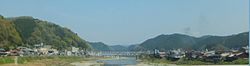
紀の川は、奈良・三重県の県境に源を発し奈良県の中央部・和歌山県の北部」を流れ、紀伊水道に注ぐ全長136キロメートルの川で、吉野川の下流である。
『狭衣物語』粉河詣の吉野川と妹背山をめぐって:吉野川と紀の川の境界
近畿大学教育諭叢 第34巻 2号 金田 圭祐 (KANEDA
Yoshihiro)先生によると、
狭衣物語は、狭衣が高野山を下山したところから始められる。高野山を下りた狭衣は、「吉野川のわたりで船に乗り、途中通過する「妹背山」を見ながら和歌を読んで、粉河寺に向かい、物語の舞台は粉河寺へと移る。
吉野川 浅瀬白波 たどりわび
渡らぬ仲と なりにしものを
わきかえり 氷の下に むせびつつ
さもわびさする 吉野川かな
、、、、、、(中略)、、、、、、新全集本ではこのような地理的状況によって「吉野川のわたり」の吉野川について「紀の川」として捉えているようだ。、、、、、、『狭衣物語』で狭衣が高野山下から粉河寺へと向かった「川」は、本文に「吉野川」となっているが、本来は「紀の川」のことであり、「妹背山」は紀伊国にある妹背山としてよさそうである。だがそれにしてもなぜわざわざ『狭衣物語』の作者は『紀の川』とせずに「吉野川」としtのであろうか。、、、、、、(中略)、、、、、、『宇治関白高野山御参詣日記』と見比べながら、作者がなぜ「紀の川」とせずに「吉野川」としたのか。その意図について考えたい。
3,紀の川と吉野川と妹背山
紀の川について国土交通省では公式のウェブサイトに、
≪奈良県を流れていた吉野川が和歌山県に入ると、紀の川と呼び名が変わると一般的にはされているのだが、国土交通省によれば吉野川は、奈良県側では水系名「紀の川」で統一している。実際、奈良県側では「吉野川を表示する看板などには「きのかわ」を併記している。現在において行政上「吉野川」は「紀の川」ということになる。
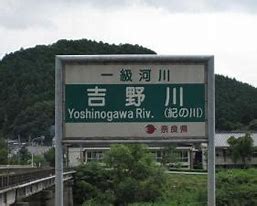
また、きのかわという名の川は、和歌山県以外にも存在していたようである。栃木県にある鬼怒川がそれである。
古代関東には「毛野(ケノ/ケヌ)、「那須(なす)」と呼ばれる政治勢力が存在し、毛野が上下に二分されて「上毛野(かみつけの/かみつけぬ)・「しもつけの/いもつけぬ)となったといわれる。
その毛野の起源について『常陸国風土記』によるともともと紀之國であるらしく、この紀之國と毛野とが同一かは不詳だが、「毛野河」は筑波西部の境界とある。
また、『続日本記』によると、毛野川は古くから常陸国と下総国の境界であると記されているなど、毛野と毛野川(現在の鬼怒川)の深い関わりがうかがわれる。『上野名跡志』では下野群衣川郷が毛野という国名の由来と推察している。
(『世界大百科事典』平凡社 毛野)
・白たへに にほふ真土の 山川に 我馬なづむ 家恋ふらしも 万葉集 1192
・紀道にこそ 妹山ありと いへみ櫛笥 二上山も 妹こそありけれ 万葉集 1098
・背の山に ただに向かえる 妹の山 事許せやも 打橋渡す 万葉集1194
妹背山は、和歌山県伊都郡かつらぎ町にある2つの丘の総称である。
紀の川中流部沿岸にある2つの丘の総称で、北岸の丘を妹山、南岸の丘を背山と言う。(冨加見泰彦博士説)川に沿って旧南海道が通り、古くから旅人に親しまれ、大化2年に背山が畿内の南限と定められた。また、通説では歌枕としての「妹背山」がこの妹背山を指すものだと見なされる。紀の川に架かる吊り橋を渡れば弥生時代の人が生活していた蛇島(俗称)に渡れる。吊り橋はなかなかスリルがある、徳島県祖谷渓に架かるかずら橋よりもスリルがある。通行料金はいまのところ無料。『謎の古代豪族紀氏』 栄原永遠男氏によると、紀氏の活躍した四、五、六世紀頃は、倭王権であったらしく、紀の川中流より下の紀北地方を中心として活動していたという、従って蛇島古墳は紀氏一族と考えられる。
≪佐治兵衛は驚いた。冗談ではない。妹背家はもともと斎部氏より出て、丹生谷の谷城に城を構えていた豪族の裔なのである。いまでも紀の川の五条から河口までの川沿い地域の収税警備裁判の権利を委ねられている。禄高二十石の地主なのだ≫ 18p
四
天明二年の秋、加恵は華岡家へ嫁いだ。
.jpg)
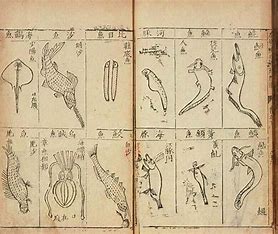 『本草綱目』 ほんぞうこうもく
≪花婿の席には雲平の代わりに『本草綱目』という書物が置かれていた≫
「加恵の婚礼でゐたた華岡家の人々」
≪加恵のすぐ目の前には直道と於継が並びその両側に雲平の姉妹がならんでいた。といっても雲平の次弟は松本家の縁故で商家へ見習いに出されていたしその下の弟は仏門に入ったばかり、で、婚礼の席に連なっていたのは加恵と同年の於勝と小陸(二歳年下)以下妹二人と、当年三歳になる幼い良平の五人である、、、、、、辛うじて見えた華岡家のひとびとというのはそれだけである≫
≪楠正成の曾祖父の弟の孫である和田五郎兵衛尉正之が、河内國石川郡中村華岡に住んで、以来代々華岡を姓とするようになったという件、、、≫直道の十八番
五 華岡家、全員で働いて運平の学費を援助する
・曼陀羅華
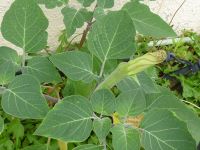
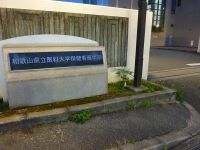 2022.8.2 没、駒井則彦教授の提案にて旧名和歌山県立看護短期大学設立時に植樹された。校章にもアレンジされている。
「この気違い茄子は何に効きますのやろ」
「ああそれを平山では気違い茄子と云うかのし。なるほど葉の形、枝の形は茄子にようにていたわのし。
けど、川向こうでは朝鮮朝顔と云うのやして、花の形が朝顔にそっくりやよってそういうのですやろの、堤の辺りに沢山生えてましたわ」
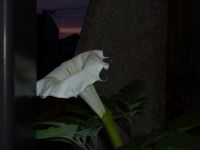
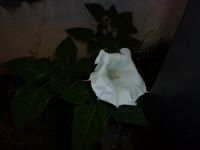
「お父さんらは曼陀羅華と呼んでなさるわのし。えらい毒の強いものやから間違うても口にいれたらいかんと注意されてますのやして。
笑いが止まらずに狂い死にしますのやとし。気違い茄子とはうまいことつけた名ァかしれませんのし。
葉を乾かして煙草に混ぜると、喘息によう効きますのやとし。汁を傷口に塗ったりして、痛み止めにも使うてなさるようなやけども」
≪加恵はその花に憎悪を覚えていた。この家で於継を初めて見たときの想い出が抑えても抑えてもこの花を見ていれば甦ってくる≫ 七
六 雲平26歳 加恵24歳
期待をかけて送りだした長子は、期待以上の優れた医者となって親の手元に帰ってきた。
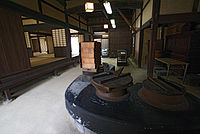 三和土の上に取り残された加恵は、俄かに自分ひとりが除けものいされた思いに、しばらく呆然として佇んでいた。 六
「儂は吉益先生の自家実物実地の体験を治療の根本に置く考えにカスパル流の実技を加えてこそ、外科は完成されると考えましたんや。活物窮理、これが儂のこれからの目標です」
 醫惟在活物窮理 *活物は江戸時代に正当とされた朱子学の立場を援用すれば、活物は、物を活かすこと、生命あるものなどの意
竹屋蕭然烏雀喧 風光自適臥寒村 唯思起死回生術 何望軽裘肥馬門
*我が竹屋では、カラスや雀の鳴き声がうるさいことだ。かえって余はこちらのほうがあっている。しかし、ただただ思うのは起死回生の場面だ。いったいどうして高価な着物やいい馬なんぞ望むものか。
「この漢詩については、門下生が春林軒を卒業する際に渡された青洲の自画像に添えられた漢詩で、医師としての心構えを諭したものです。その意味は、「私の家の周りでは鳥が鳴き、私にはこのような田舎に住むことが合っている。ただ思うことは、瀕死の患者を救う医術のことだけである。高い着物や肥えた馬といったぜいたくは望まない」ということです。実際、青洲の生き方はこの詩の精神そのままであり、時の紀州藩主徳川治宝より侍医となり城下に住むことを求められた時、「我仕官を望まず、山中に隠居して随意に治療いたし術を研きたく思うが故に・・・」と述べ、故郷平山での診療を続けたことでもそれが分かります」(和歌山県立医大紀北分院HP参照)
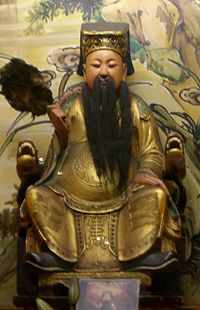
儂の目標は日本の華佗たらんとすることですのや
曹仁との戦闘で毒矢の傷を受けた関羽を治療するため、荊州に自らの意思で出向き、右腕の肘の骨を削ってトリカブトの毒を除いている。この時、関羽は治療中には腕を柱に固定した方がよいとの華佗の提案を断り、酒を飲みながら平然と馬良を相手に碁を打っていたと描写されている。華佗は関羽の強靭さに大いに驚き、関羽もまた黄金百両の礼を申し出たが、華佗は「私がここに来たのは将軍の仁義を慕っての事」と告げ、それを断り去っていった。正史の「関羽伝」にも同様の逸話があるものの、治療した医者が華佗とは書かれていない。また実際の年代から言うと、この事件は既に華佗が没した後の、建安24年(219年)にあたる。第75回
神木を切った後に頭痛に苦しむようになった曹操に召し出される。華佗は病根が脳中にあるため、薬の治療は効かないと診断し「まず麻肺湯を飲み、その後に斧をもって脳を切り開き、風涎を取り出して根を除きます」と治療法を告げる。このため曹操が華佗に対し「お前はわしを殺す気か」と怒るが、華佗は関羽が肘の骨を削られても動じなかった事を引合いに出す。しかし曹操は「脳を切り開く治療法など聞いた事がない。お前は関羽と親しかったな。治療を口実に関羽の仇討ちをしに来たか」とさらに怒り、華佗を投獄して拷問にかけた末に殺してしまう。第78回
華佗は医書である「青嚢書」 を残し、毎日華佗の世話をしていた呉という姓の獄吏(周囲から「呉押獄」と呼ばれている)に死の直前に渡している。しかし獄吏の妻は「たとえ華佗のように医術を極めても、結局は獄死するのでは何もならない」といい、夫の身を案じて焼き捨ててしまう。僅かに焼け残った箇所は、鶏や豚の去勢術などという有り様になっている。
いつまでも雲平をひとりで寝かせておきたい母と、夫婦の間に立ちはだかる姑の存在に気附いた妻とは、
幽かな呼吸にも互いに心を知られまいとして気を遣い、針のように心を尖らしていた!
七 雲平、加恵の婚姻から半年後直道逝く
≪何一つ目にみえる慟哭があったわけでもないのに、この二人の女はいつの頃からか滅多に口をきかなくなってしまっている≫ 七
≪加恵は箱枕を胸の中に強く抱きしめて、雲平の部屋の中に入った。それは直道の寝ている部屋と襖一枚隔てた隣室で日中は患者の診療室に当てられていた。もう一方の隣には下村良庵と妹背米次郎が眠っている筈である≫ 七
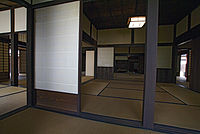
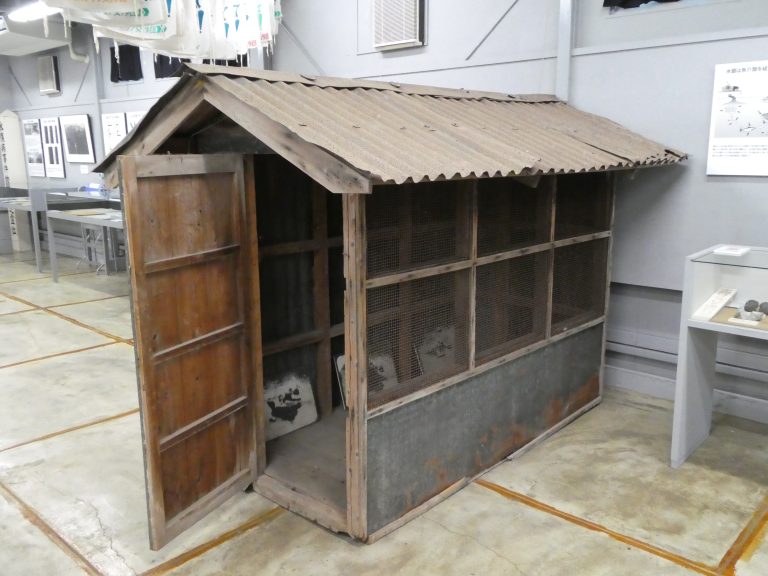 水俣病猫実験小屋
 ネコ400号実験という有名な実験を紹介したいと思います。チッソ水俣病院の細川院長がネコにチッソの工場廃水をまぜたエサを与えつづけた結果、水俣病患者と同じ症状をしめしたという研究です。ネコ400号実験は水俣病が起こっている最中の実験ですから、ここまで分かっているのだから、この時点で排水がとめられるべきでした。しかし、排水はとまりませんでした。工場の利益、水俣市の経済状況に重大な影響がでるためでしょうが、ネコ400号実験は、排水をとめる大きなチャンスだったのに、とめることができなかったのです。さらに、細川院長がこの後研究を続けるためには、「この実験の結果を外にもらさない」条件を工場長であった市川正さんに言い渡されました。
八 二年後、加恵は妊った。小弁誕生
≪堺で流行していたという骨溜が紀ノ川上流のひとびとの間にもひろまっていた≫
≪於継の好意に感謝するよりも却って姑への憎しみは強まっていった≫
≪この二年の間に死んだ犬猫の数は夥しいものになっていた。下村良庵が川向うの妙寺へ帰って開業したのも、師事していた直道が死んだし、自分も充分の経験を積んだことから当然の独立であったのだが、雲平の奇矯な生活に耐えられなくなったからではないのかという疑いは、加恵ばかりでなく妹背米次郎も抱いていた≫
九 小弁四歳、 於勝発病
≪乳岩の治療は女の命取りやと云われていますが、切って直したという記録が全くないわけやないのですわ。儂が京都におった頃、永富独嘯庵が長崎で和蘭人ほんとのう外科を伝え聞いたという話を”漫遊雑記”に書いてるのを読んで書いてあるのを抜き書きしてええあります。これ見てください≫ 九 112
≪於勝が息を引き取ったのは、年が明けた一月二十日であった≫ 九 115p
十 加恵嫁いで十五年、小弁十歳 加恵、於継と華岡家内に優位を競う
≪青洲のたゆみない麻酔薬の研究が、始めてから十余年を経てようやく完成にちかづいている証拠に違いなかった≫ 十 122p
≪が、こうして次第に麻酔の中に落ち込んでいく於継の様子を見守っていると、加恵は青洲をただ自分だけの子だと云い張った姑に哀れこそ覚えても、日頃の憎しみや、この受験に自分を引っ張りこんだ恨みは消えていくようであった≫ 於継1回目
十一
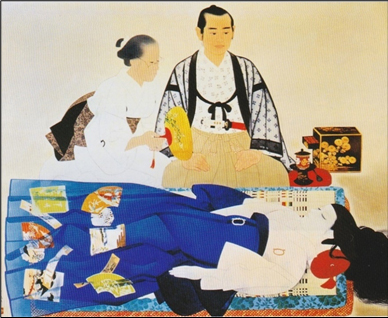
≪良庵には、実験台になろうとして、順を争った母と妻というものは、この世ならぬ美談としか思えなかった≫ 152p
十二
≪昨日の午後服薬した於継が、今朝早く目をさまして≫ ≪何日眠ってましたかの≫ 163、124p
十三 小弁死す、通仙散
≪年老いた於継に代わって、加恵を援けながら家の中を取仕切っているのは、今年で三十歳になる小陸だったのである≫ 171p
≪青洲は加恵の瞼に指をあててなんの反応も見せない瞳孔を仔細にあらためみながら、次第に表情を曇らせていった。麻酔薬の実験結果の喜びは萎えて、彼の心はようやく医者から夫に戻ろうとしていた≫ 185p
十四 享和元年、長男(雲平)生まれる。勝物窮理のときがきた。小陸に血瘤ができる。
≪女の乳が命に繋がっているというのは、あれはやっぱり迷信やったわい。さあ、あとは乳癌の患者をまつばかりや≫ 101p
≪いいや、儂はいきなり叩きのめされたように思うたのや、かりに儂の思惑通り乳岩が根治でけたとしても、医師の深奥を極めたとは云えんのやとのう、乳は裂けても死なんと分かったが血瘤はどこからも裂きようがない。喉首突くには女の自害やないか≫ 196p
≪年があけた初夏に、次女が生まれた(かめ) 197p
≪そう思うてなさるのは、嫂さんが勝ったからやわ≫ 201p
≪嫂さん、それでも男というのは凄いものやと思いなさらんかのし。お母はんと嫂さんとのことを兄さんほどの人が気附かん筈はなかったと思うのに、横着に知らんふりを通してお母はんに嫂さんにも薬飲ませたのですやろ、どこの家の女の争いも結局は男一人を養う役にたっているのと違うんかしらん。この争いを裁く男はないし、巻き込まれるような弱い男はいわば肥え強すぎた橘のように萎えて枯れているようやわ。考えて見ると嫂さん、男と女というものはこの上ない怖しい間柄やのし、兄と妹いうたらこれは全く別ものよし、もしこの病気が嫂さんに出たのであったら、兄さんは刀取って裂いたかもしれへんわ。そやけど妹には何もようせえへんのですよし、、、、、、、家があろうとあるまいと男と女はあるのですやろから。私はそういう世の中に二度と女には生まれ変わりとう思いませんのよし、私の一生では嫁に行かなんだのが何に代え難い仕合せやったのやしてよし。嫁にも嫂にもならないですんだんやもの≫ 202p
≪青洲の妹は、その輝かしい成功を待たずに血瘤で喉を押しつぶされ、声もなく一か月前に余を去っていた。享年四十二歳≫ 206p(青洲乳癌手術成功後)
十五 青洲は平山に大きな家を建てた
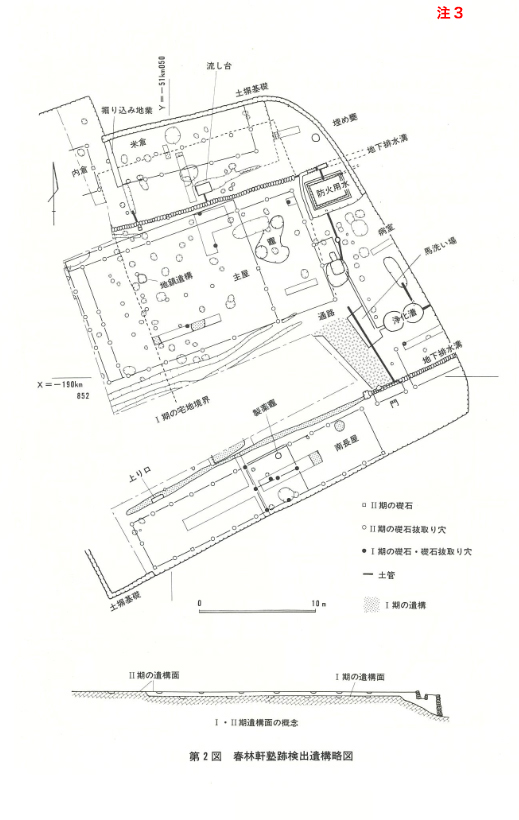
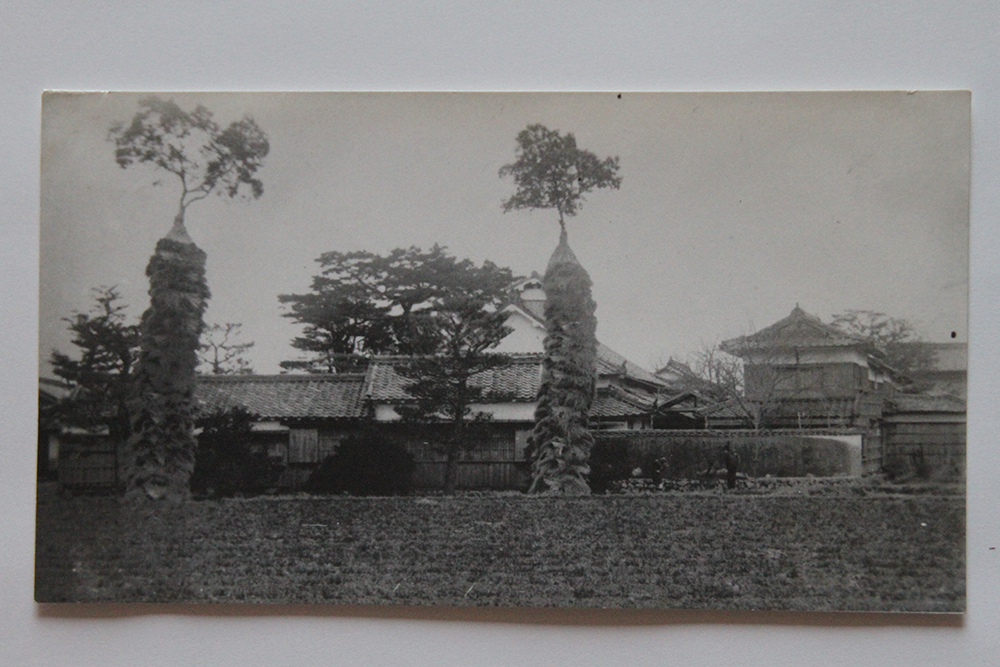
母屋には診療室手術室を考え、廊下続きで家人の住居を建て、重症患者の寝室と書生部屋も大きくとった。八畳の膏薬製錬所、四畳の薬貯蔵庫、八畳の薬剤所は書生部屋と同じ棟である。女衆部屋、男衆部屋、二頭の馬をいれる厩舎、物置および内蔵、米蔵、薬蔵など五棟の土蔵を含めた新しい家屋は二百二十余坪の堂々たる構えになった。208p
華岡流医術の威名が全国に轟わたる頃、蘭学の草分けである杉田懿斎(玄白)から謙虚に教を乞いたい旨を記した手紙も届くようになった。210p
未だ貴意を得ず候え共,一書呈上致し候.時分柄厳暑と相成り候え共,弥々御安清に成られ御座候, 目出度く存じ候.然れば老兄の御高名江戸表まで相聞え,御頼もしく存じ罷り在り候所,旧年以来 兼て御随身と申し罷り在り候由,宮川順達と申す加賀の書生出府致し,委しき御噂承知致し候.数 年御治療の所,御精神労わられ候段,ほぼ承りさて々,御頼もしく存じ奉り候.老拙儀も二三世, 外治を以って旦那家に仕え罷り在り候事故,何卒生民の為,少なくも治業これ専ら工夫致し候て, 益にも相成りたく,年来心懸候え共,差したる儀もこれ無く犬馬の老積り,最早当年八旬に及び,
空しく朽ち果て申すべく残念に存じ奉り候. 去りながら,老驥伏櫪の志は相止み申さず,折節不審の儀,これ有り候え共,本科は格別同業の者 には海内承り及び候者もこれ無く候.幸い老兄の御噂承り及び候え共,是まで好縁も御座無く,罷 り在り候所,順達罷り越し候て,御手術御煉熟候段,申し聞きさて々感心致し候事に御座候.江戸 表は御聞き及びもこれ有り候哉.手を下し望はば宜しかるべしと存じ候. 病人も間々これ有り候え共,皆白面貴价公子のみにて病苦を忍び候者これ無く,拙業とは存じなが ら,その術施し難く打ち過ぎ候ことばかり多く,これあり候て遺憾少なからず候. 去りながら,以来不審の儀もこれ有り候はば,御文通にて成り共,御相談申したく候.拙者は老衰 に及び候え共,倅共の為にも御座候間,彼等より申上げ候事もあるべく御座候. 御許容成し置かれるべく申し候.順達より書面差上げ候様承り候間,卒忽ながら申上げ候. 以来御知己の内へ加え置かれるべく申し候.頼み奉り候.恐惶謹言 杉田玄白 五月四日 翼 花押
華岡随賢 様 人々御中
FINE
2023年8月6日(日)、まるで『源氏物語を読む会』のごとき、たくさんの知的な女性たちの参加される「有吉佐和子読書会」に出席がかないました。そこで、恩田先生から『ふるあめりかに袖は濡らさじ』を紹介頂く。早速この本を取り寄せてみますと、この本には他に『花岡青洲の妻』が戯曲形式で載っており、小説の『花岡青洲の妻』と較べれば、難解な紀州ことばは、会話形式なので、とても内容を把握し易くした内容でした。是非、御一読ください。
時、天明元年ころから文化二年まで(1781〜1805)
場割
第1幕、華岡家の奥内(天明元年ごろ)
第2幕、華岡家の奥内(第一幕から三年後)
第3幕、第一景、青洲の部屋(第二幕から八年後)。第二景、華岡家の墓。第三景、青洲の部屋。第四景、華岡家の墓。第五景、青洲の部屋。
第4幕、第一景、華岡家の奥内(第三幕から十年後)。第二景、華岡家の奥内。
登場人物
於継、(青洲の母48歳〜)。華岡雲平(青洲、28歳〜)。於勝、(青洲の妹、26歳〜)。小陸、(青洲の妹21歳〜)。加恵、(青洲の妻26歳〜)。於沢(加恵の母、この本にて初登場との事)。良庵、(青洲の弟子)。米次郎、(青洲の弟子)。木綿問屋小六、甚造。生薬屋作兵衛。藍屋利兵衛。お勘、(利兵衛の母、60歳)。
「小説真髄」
人称って何?「人称」とは、文法の一つで、語り手と聞き手、そしてその他の存在を区別するものの3つに区別されます。
- 3人称:「彼」「彼女」「彼ら」「こいつ」などが含まれ、その他の存在を示す敬称。また、話し手(1人称)と聞き手(2人称)内の会話に出てくる人物を指す表現も含まれます。
- 2人称:「あなた」「お前」「君」「そなた」や、「先生」「お兄ちゃん」「お姉さん」などの聞き手を示した敬称。
- 1人称:語り手を示し「私」「俺」「僕」「それがし」などが含まれます。
小説での人称の判断基準は、語り手(文章)が誰なのか。
1人称で書かれた文面なら「僕はお腹が空いた」となり、2人称なら「君はお腹が空いただろう」、3人称は「龍也はお腹が空いたようだ」となります。
「僕」や「私」の視点で書かれた1人称小説は、多くの場合、主人公の視点で物語が進むスタイル。そのため小説を書くうえで、構想が作りやすく書き始めやすいという特徴があります。
1人称の小説は数多く存在し、代表的な作品として夏目漱石の『草枕』や谷崎潤一郎の『痴人の愛』があげられます。
≪嬉しい気持ちを抑えるように私は口の中を噛んでいた。痛みを感じてもなお、胸は高鳴っている。≫
★1人称小説の最大のメリットは「主人公の心の声(心情)がダイレクトに書ける」ことです。これにより、読者と主人公の心の距離を近づけ、感情移入ができる小説になります。また、
主人公の心の声を文章に直接書けるため、考えていることや感じていることなど、他者には話さなければ伝わらない・伝えられない情報が組み込めるのです。アクションシーンや恋愛小説など、読者が主人公と同じ体験をすることでより魅力的になるシーンやジャンルを書くときに、1人称は魅力的な語り手だといえます。
魅力的な1人称小説ですが、「主人公の知らないことを読者は知れない」「主人公が何に感情を揺さぶられているのか表現がしづらい」といったデメリットがあります。
1人称小説は、主人公の感情を直接文章に書いても違和感はありません。しかし、感情が変化した理由を主人公に説明させてしまうと、とたんに不自然になるので注意しましょう。
人は心を揺さぶる出来事がおきたときに多くの場合「感情的」になります。その体験中、もしくは直後に「なぜ感情が揺さぶられているのか」について分析することはあまりない、といえるでしょう。感情と分析する行為は対極に位置するからです。そのため、感情を揺さぶられた理由が書けず、雰囲気や前後の流れでしか読者に伝える手段がないのです。
また、主人公が知ること以上の情報、主人公の身長よりも高い場所の状況や、主人公が読めない異国のことばで書かれた文の内容なども地の文に書けません。これらの情報を入れたいからといって、主人公の知識レベルを高く設定するのは避けましょう。主人公の知識レベルが高すぎると、読者は共感できず置いてけぼりになってしまうからです。
ー「知らないことは書けない」「いないところは書けない」といったデメリットをカバーする手段として、語り手を次々と変えていくというスタイルが多く採用されます。ー
このスタイルで書くと1人称のメリットである緊迫感や共感を生かしつつ、デメリットである視点の狭さをカバーでき、それにより、群像劇(同一の舞台、時間軸の中でさまざまな人物による物語が進行する方式)的な盛り上がりが生まれ、小説全体のスケールも大きくなります。
語り手が変わるのは魅力的なスタイルですが、注意点もあります。いろいろなキャラクターの視点で書くため「それぞれのキャラクターが今どうなっているのか」「何を目的としているのか」「物語の中でどう変わるのか」を書き手が管理し、わかりやすく読者に伝えるための高い文章力が求められてしまうのです。また、ひとかたまりで行動しているチームの中だけで視点を変えても、物語に動きは出ず、人称を変える意味がなくなります。
このスタイルを採用し、魅力的な物語にするには一つの事態の中で起きる、さまざまな人々の動きを書く必要があり、執筆の難易度が上がる。
1人称小説では伝えられない情報を書きたいときや、いろいろな立場の視点で一つの状況を書きたいときは、このスタイルで書いてみるのもいいでしょう。
3人称小説は、「彼は」「彼女は」「〇〇(名前)は」といった形で書かれた、登場人物以外の第三者、あるいは「神の目」で物語が進みます。そのため、さまざまな情報を直接文章の中に組み込めるので、他の人称のもつデメリットがカバーできるのです。また3人称は小説初心者におすすめの手法でもあります。執筆時に、頭の中にある物語を淡々と3人称で書き出すことで、変な癖がつかず、創作力・文章力の向上に繋がります。
≪龍也は前髪が気になるようで、何度も手鏡を見ていた。周りにいた友人は、そんな彼に眉をひそめている。龍也にその視線はまったく届かず、満足するまで鏡を下ろさないのであった≫
メリット
物語をうまく進めるという部分においても、大きなメリットがある3人称小説。視点を自由に動かせるため、登場人物が、感情を揺さぶられている原因や知らない情報説明ができます。
「広い視野で物語を見て描写する」ので、状況の説明や事態を冷静に解説できるだけでなく、感情が揺さぶられた理由についても説明できるため、物語に対する読者の理解がより深まるのです。
デメリット
いろいろな情報が書ける「神の目」という視点をもつ反面、登場人物の心の動きや感情そのものを文章中に表記できないのが、3人称の難点です。感情の変化は、直接他者が見られるものではなく、また態度で判断できるからといってそれが正しいとは限りません。どうしても登場人物の感情を書きたい場合には、丸括弧()を使い、心の声を表現します。
近年、1人称小説のように心の声や心情を文章に直接入れながらも、3人称の視点「彼は」「〇〇(名前)は」を入れた小説が出てくるようになりました。
3人称のメリットである冷静で広い視点での状況説明も取り入れられ、1人称のメリットである感情描写も取り入れられる、まさにいいとこ取りのできる執筆スタイルです。
一人称寄り三人称小説
≪ワクワクする気持ちが抑えきれない海人は、ニヤケ顔で通学路を歩いていた。隣りにいた友人は不思議そうに顔を見つめていたが、そんなことはどうでもいい。
海人は昨日、今までできなかったステップがようやく踏めるようになったのだ。
ステップが出来た! これでみんなに追いつける!
海人はこのことをダンスサークルのメンバーに言いたくてたまらなかった。
2人称小説とは「君」や「あなた」で物語が進みます。手紙やメッセージの集まりをテーマにした小説の場合に、よく採用されている人称です。主人公の頭の中に住む何かや、取りついた霊、特別な力を持った武器などが延々と語り続ける形式もこれに分類されます。また、その町に昔から住んでいる老人が、新参者の「あなた」にその町の歴史について語るといった、語りに乗ってストーリーが進む場合も2人称小説です。
≪おまえさんは知っているかい? 大昔、この村には2つの神が住んでいたことを。ここに住んでいるやつらはみんな嘘だと言っている。ただの言い伝えだと。しかしわしは知っているんだ。この村に住んでいた神のことを。初めて見る顔だから、特別に教えてやろう。≫
メリット
2人称の優れているところは、「あなた」や「きみ」と投げかける表現を使用するため、手紙やメッセージを受け取った気分で小説が読める点です。また、一般的によく書かれるスタイルではないため、多くの人の意表をつけるでしょう。
デメリット
使う意図を明確にしないと、状況が想像できないまま物語が進み、読者が置いてけぼりになる事態が起こるかもしれません。
- 「自分にどの人称があっているのかわからない」
- 「人称を意識せずに書いていた」
このような状態なら、一度すべての人称で小説を書いてみましょう。
 『悪女について』
�T・早川松夫 (鈴木)公子とは25年前朝鮮戦争終盤複式簿記学校であう。死の前日の金曜に��有、〇悪女にあらず。
�U・丸井牧子 君子は隣の八百屋の同級生。〇君子は誠実。
�V・浅井雪子 小学校で同級生。君子に翡翠とエメラルドを盗られた。●悪女だ。
�W・浅瀬義雄 実家静岡。最初の夫、ラーメン屋でが縁。同衾する。子供を産むわ。ラーメン屋の親父の顔を浮かびながら本当に僕の子か。子の生まれる六年前の婚姻届、渡瀬義彦、義輝の入籍。●悪女だ。
�X・渡瀬小静 「、、、、、、とにかく婚姻届けは昭和二十八年に出て受理されていますからねえ。こちらの渡瀬とは別の戸籍が作られているんですよ。もしこの渡瀬という人が昨日結婚したとしたら、重婚になりますよ。ま、離婚してれれば別ですが」[五千万円払う。「同じ静岡県で、土地を売りに出した主人のお友達から、鈴木君子についての問い合わせあり、彼女は、土地の手付金のみ支払い値上げを待ち他社に転売した」●悪女だ。
�Y・星野夫人 渡瀬と夫婦円満。同じアパートの住人。君子はレストランのレジ係だ。「渡瀬は妊娠中の君子を置き去りにした」「アパート中一致団結し,出産に協力」出産半月後、公子、赤ん坊は人に託して一人で帰宅。「自殺だって書いた週刊誌もありましたけど、まさかねえ」「誰か届いているのかしら、あの花は」「公子さんの働いているところからかしら」、、、、、公子狂言「、、、、、、お見舞いはみんなお花。そのバラは義雄さんよ昨夜持ってきたの。私はバラが一番好きな、義雄さんはよく知っているものだから。でも、花なんか買うの、よっぽどてれくさらしくて、入ってくるなり目の前につきだして、バラだよなんていうの。見れば分かるのにねえ」〇非悪女。
�Z・大内三郎 戦後の物資なきとき、新橋駅傍らの宝石店の同僚、そのころから公子はただの女とは思えなかった。�@結婚して渡瀬を名のる。�Aサファイア五十万、エメルド六十万、真珠9千、のうちエメラルドかサファイアいずれかを 売り惜しんだ。�B勝手口から入った乃木坂の大きな家の表札は尾藤の苗字。�C日本橋の中華料理点では、「鈴木」を名のる。�D君子、以前働いたる日本橋の中華料理店近くの十階建ての7階に「富小路」の表札、大内を宝石店責任者とする。�E「嫌がらせで言うんじゃないがね、用心した方がいいぜ。とかくの噂がある女だからね」「まあ、あぶなっかしいものだからね。おまえさんはひとが善いから心配なのさ。慎重におやりよ」★あの日のことはよくわかりません。ご覧のようにこの店(宝石屋)はビルの東側でして、事件があったのは北側ですから。社長が死んだという知らせは昼食をすませて、伝票に目を通していたときでした。自殺か他殺か、僕には見当もつきません。亡くなった後、週刊誌が、富小路公子はインチキな宝石を売っていたと書いたのは、本当に我慢がなりません。と、インタビュー調査者に4000万円でラピスラズリのブローチを売りつける。〇非悪女
�[・沢山夫人 「あなたの子供です。それだけははっきりしています。いくら奥様の前だからといって、仰っていいことと悪いことがあるんじゃございません?そういうことを仰言るのでしたら、私、出るところへ出て、はっきりさせますわ。奥さま、御免あそばせ。奥様はご主人様が卑怯な男などとは思っていらっしゃらなかったんじゃありませんかしら。わたしもたった今まで、そんな方ではないと思ってきました」 ●悪女だ
�H・沢山英次 公子と神田にある簿記学校で知り合う。新橋の宝石店で働かす。「渡瀬さんのことでしょう?毎晩アパートまで送ってくれるの。夜道が物騒だから助かるわ」「新橋の店では、君は結婚したと言っているらしいじゃないか」「だって認識してるんですもの。そう言っとかなきゃ先へ行って困るでしょう」「子供が生まれるときには十七歳になっています」「しかし僕は君より二十五も年上なんだよ」「まああ。わたし、お妾さんになるのは断然、嫌よ貯金が出来ていると言ったでしょう。生まれたら電話でしらせますから、花屋に言って、お花だけは毎日沢山届けて頂戴。それだけでいいの。わたしはなにも求めないって言ったでしょう」それから半月ほどして「男の子よ、社長さんにそっくりよ、覚えていて下さる?お花よ。七号室に沢山、届て、お願い。パートの人たちが、誰が父親か、見定めようと張り番をしているの。ははも始終いますし、だから、こちらの都合のいい日に、もう一度連絡します。三千八百グラムあったのよ」また彼女は一年たたぬ間に妊娠する。★僕は現在、六十五歳です。しかし、彼女との関係は彼女が死ぬ四日ばかり前まで続いていました。どの夫も、騙された、騙されたと言っているようですが、だらしのない奴らだねえ。子供は二人とも僕の子です。◎愛人
�]・林 梨絵 渡瀬公子という名前で日本橋でレストランを経営した頃からドレスを誂えている。文京区の本郷にあるアパート住まい。a,長男誕生の頃、次男誕生の頃。b、昼間にイブニングドレスをお召しになって、亡くなったのでしょう?あの方は、ドレスの着方をよくご存じでした。昼間からイブニングをお召になる方ではなかったのです。c、公子、日本橋におおきなビルを建設中、青山の教会で富本と結婚d、あのビルにプレタポルテの店を出させて頂く。e、私、週刊誌を見て、のけぞるほど驚いたのは、富本さんと離婚なさってたことでした。〇非悪女
11・伊藤弁護士 富本寛一ラグビーマンの父の親友。田園調布に五百坪の敷地の家。二人はアパート暮らしで母は一人暮らし。隣の梅谷の地所を買って三千坪にする。「そんな不幸な過去をほじくりだすのむ法律家のお仕事でいらしゃいますの。わたしは心美しく生きたいと思っております。過去の悲しい想い出などを、寛一さんにまでお聞かせするつもりは毛頭ございませんでした。いけないことではございませんでしょう?」●悪女だ。
12・富本宮子 驚きましたのは、伊藤先生が、公子さんの学歴を青山学院女子短期大卒と仰言ったことでございました。何が何だか分からないうちに本郷のアパートに引っ越してしまったんです。何があったのか、さっぱり分かりませんでした。ッ離婚を言い出したのは寛一の方でした。公子さんが同意しないものですから家裁では埒があかず。結局、寛一は富本の家の土地5百坪を慰謝料代わりに公子さんに渡して、私と寛一の二人きりで、神田のアパートに移ました。●悪女
13・菅原ふみ 「富本さんとの結婚に、何一つ邪心がおありにならなかったのは、私、何にでも誓って申し上げることができます」「富小路というご苗字は、日本橋のあのビルディングが落成したとき、七階に置かれた若奥様の事務所で初めてお使いになったものですが、、、、、、、」「若奥様は、まだ二十七歳でいらしたはずです、、、、、、でも、そういうことは、それから十年たってもおこりませんでした。誓って申し上げますが、若奥様は、清潔な方だったのです」「あんまり若すぎたからでしょう。上の子供は五年生なのよ、下の子は四年生」「沢山さん?いいえ、そんな方は、お見えになったことはございませんですよ。どなたですか?」「上のお坊ちゃまは勉強好きで、三人もの家庭教師が交わる代わるお相手になって、勉強ばかりしていらっしいました。下のお坊ちゃまは、家庭教師が来ても、林の中を逃げ回ったり、床下に潜り込んでしまったり、どちらも個性的でいらっしゃいました」「はい、マンションの頭金をを出してくださったのは十年も前のことでございます。まさか十年も前に奥様が自殺なさるおつもりだったとは考えられませんし、私には、どうしてあんな亡くなりかたをなすったのか、原因には全く心当たりがございませんのです。はい」〇非悪女
14・富本寛一 ラグビーマン。「君、声出さずに出来ない?」「モンレーブ、ー中華料理屋だった頃、昼間はあそこで働いて、夜は、三年間神田の簿記の学校に通ってたの。、、、、、、、そのうちにオーナーが倒産したの。他の仕事で失敗してね。だから安くかえたのよ」「神宮側にあるアパートは、僕の生命保険を担保にして、買ったのは事実ですが、当時で千五百万円もするマンションが買えたのは、保証人が富本公子になっていたからだということには、随分長い間、気がつきませんでした」「星野数ほどある男と女の中で、一人の男が、自分のために生まれてきた女と出会うのは、よほどの幸運と言わねばならないでしょう。僕はその幸運を自分から捨てた大馬鹿です」「僕が凡庸な男だから、この生活でいいのだと、僕には過ぎた女だったのです。富小路公子は」「母は年寄りですし、昔のことが今も忘れられずに愚痴ばかりこぼしていますが、あの土地を公子に取られたなんて、若し言ったとしたら、聞き流して下さい。お願いします」〇非悪女
15・烏丸瑤子 「ひょっとすると、お公のお父さんてのは、私の親父なのかもしれないよ。相当尻癖の悪い男だったらしいからね。とすると、私と、お公は、腹違いの姉妹になるね」「夫人実業家の集いだか女流実業家の集いにて、初めての対面」「宝石も大粒の真珠一つだけペンダントにして」真珠とダイヤモンドを組み合わせたブローチを福引のプレゼント。「戦前は、笹籠胆(ささりんどう)のついた箱を捧げて、毎月のように、多分中身はお金だったと思うんですけど、届いてました。男の人が、自動車で来たように思います。ですから、終戦までは、かなり裕福に暮らせていたんですけれど、戦後は養父は交通事故で死にましたし、母のほうは、まるでなにも出来なくて、家も焼け出されて、ですから私がはたらくしかなかったんです。中学だけ卒業して、あとは夜学で高校をでました。大学は、通信教育で」「、、、、、、笹籠胆の金蒔絵の箱が、紫の粗紐かけて届いたのを覚えてますのと、養父のあにに当たる人が、小さいときに『お姫さま、あなたの親御さんは本当は大変なご身分なんですよ』って言われたこと、はっきり覚えているんです」「公家華族なら、久我さんが笹籠胆よ」「武家華族なら笹籠胆は沢山いるんじゃない。明治以来のお家柄はむやみと多いから、でもね富小路という苗字は、明治以前には確かに公家にあった筈よ。昔の地図で見たことがあるわ。有栖川さんの御殿のすぐ傍らに屋敷があったようよ」〇非悪女
冨小路家の家紋。藤の丸 富小路家は、藤原北家二条家庶流の公家華族だった家。公家としての家格は半家。華族としての家格は子爵家。
戦国時代の文亀3年(1503年)九条家の諸大夫であった富小路俊通が、摂関家の二条家の庶流を称する形で従三位に昇ったことから始まる。俊通の子である資直が従三位となり昇殿を許されて以後、堂上家の一員となる。天文4年(1535年)に資直が薨去すると、戦国時代の後期から安土桃山時代にかけて公卿を出せずに終わるが、江戸時代に入ると慶長18年(1613年)秀直が従三位に叙せられ二代ぶりに公卿に昇った。江戸時代後期には総直・政直が正二位に叙せられている。公家としての家格は半家、旧家。家業は和歌・・醫道・醫業。明治維新後の明治2年に公家と大名家が華族として統合されると富小路家も公家として華族に列し、明治17年(1884年)7月7日の華族令の施行で華族が五爵制になると、同8日に大納言直任の例がない旧堂上家として敬直が子爵を授けられた。敬直の孫にあたる富小路隆直の代に富小路子爵家の邸宅は東京市淀橋区上落合にあった 半家ー富小路家 ー高倉家 ー白川家 ー五辻家 ー慈光寺家ー 竹内家 ー西洞院家 ー石井家 ー高辻家 ー五条家 ー東坊城家ー 唐橋家 ー清岡家ー�繻エ家 ー北小路家 ー舟橋家 ー伏原家 ー澤家 ー藤波家ー 吉田家ー萩原家ー 錦織家 ー藤井家 ー土御門家 ー倉橋家ー 錦小路家 出典: フリー百科事典『ウィキペディア(Wikipedia)』
余談ですが、丸谷本家の内訳話ですが、

 「丸に違い鷹の羽」の家紋。忠臣蔵で有名な浅野内匠頭家と同じi家紋でございます。奇しくも、当家も長男康政の横死につけ、「康政の前に康政なし、康政の跡に康政なし」と、すでにお家断絶でございます。このことは、1999年12月康政横死の以前、1992年、2月区画整理事業中に、父、ー董裕の葬式の際、提灯の家紋と、香典返しのの紋が
.jpg)
.jpg) となっていたのが母親の丸谷本家への怨念のあかしといえます。しかし、小生は葬儀費用一般請求先の地位の有する喪主にされ、なんら権威も与えられないまま、その2年後の1994年、4月丸谷美代子死亡、約18坪土地が行政という権威の元に消滅してしまった。あ〜あ、こんな不埒な者を丸谷家先祖代々の墓に丸谷家のご先祖様と同じく埋葬したとは、くわばら、くわばら、さぞ、丸谷為七は大層悲しんでいることでしょう。
となっていたのが母親の丸谷本家への怨念のあかしといえます。しかし、小生は葬儀費用一般請求先の地位の有する喪主にされ、なんら権威も与えられないまま、その2年後の1994年、4月丸谷美代子死亡、約18坪土地が行政という権威の元に消滅してしまった。あ〜あ、こんな不埒な者を丸谷家先祖代々の墓に丸谷家のご先祖様と同じく埋葬したとは、くわばら、くわばら、さぞ、丸谷為七は大層悲しんでいることでしょう。
16・レイディス・ソサイエティの事務員の話 『権威と権力』の見本のような話だ。常盤会のような学習院卒業と同時に自動的に会員となるような没落華族の会ではない。入会金二百万円、年間維持費が五十万円。公子は昭和42年烏丸他2名の紹介により入会。ー烏丸と公子の権威を比較すると、前者はだらしのない権威で会員名簿に名を連ねられており、後者は権威を獲得したいがために金をばらまき取得した権威であるが、ここに�N烏丸の発言を参考にして公子がなぜ富小路の苗字を使った訳を考えてみるとき公子の意図が隴隴(ろうろう)としてくる。また、作者有吉佐和子自身がこの作品を使って「権威」の本意を読者に対する発信であるとも感じた。ここに「権威」というものの価値観を問うのである。ーつまり、未開人は、月や太陽のオーラを信じていた。超自然的な能力を、月や太陽がもっていると考えっていた。そのオーラが自分にのりうつるごとき暗示にもかかった。しかし、人間が月へ行く時代となって、月や太陽を神といなくなった。だが、自我意識に欠如している人たちは、月や太陽にはだまされなくても、お金と宝石には騙される典型例をあげている。ー「お金に綺麗でおおまかで、あれだけ若くて、気前のいい方は決して多くはございませんでした」相手に大富豪感を認めさせている)ー「富小路さんは宝石屋さんもなすってらっしゃるから、値上がりで大儲けなさったんでしょうね」(富小路をブランド化する)ー「はい、原価でおわけする分には店の損にはなりませんもの。いつでもどうぞ仰って下さいまし。私から言うのも変ですけれど、日本橋や銀座の宝石店で、定価で買うのは馬鹿馬鹿しいと思いますのよ。奥様の仰言る通り、本当に宝石は高くなりすぎたもの。3千万円のダイヤモンドなら、2千万円ちょっとになりますから、ずいぶん違いますでしょう」(商売をはじめる)ーここで自我意識のある発言「宝石というものは財産なのだから、いかにも高そうに見せるのは成金のすることですよ。500万円の石が、百万円ぐらいにしか見えないほうが、盗まれる危険もないのよ」(このことを有吉佐和子は読者に訴求したかったと思う)-一番ひどい被害にお遭いになったのは、会員でなくて、ビジターの瀬川さんかもしれません。ー「富小路さんがお建てになったという日本橋のビルの最上階に、「女性のための美容クラブ」という会員制のクラブができたのが、その直後でございました。●悪女
17,瀬川大介の妻ー瀬川の後妻に納まるとき、自分でやってた芸者屋も待合も潔う畳んでしもうて堅気になったんだ。ー「政治家とか、家柄とか自慢にしている連中に碌な奴いないよ。」と、烏丸さんと「東京レディース」に出入りするようになる。-「戸籍改正法によって、夫のものは妻のものという考え方が定着しています。父が死んでも、遺産相続税が、あなたにかかってくることはありません」-emererudo私は血圧高いさかい、ぶっ倒れて死ぬかと思いましたがな。十万のモノを八千万円で買うてたんやもんー指輪に直して貰った翡翠は、ただの玉を油につけた偽者になっていたのと、、サファイアのほうは色も形も同じだけど、合成石どころかただの硝子だって。ー「まわりのダイアモンドフレアは、本物でごさいますのよ。ー私の翡翠とサファイアはいったいどこへ行ってしまったのか。ーおお真面目に言わはるんですわ。あの男(大内三郎)もぐるやろか。私には分かりまへんわ。●悪女
18,宝石職人の話ー 「私、氏は、あるのよ。でも戦争前のことで、戦争に負けたんだからそうは言ってられないわねえ」ー笹龍胆?なんだい、そりゃあ?ー最初には、俺のところへ足繁く来ているのも、宝石見たさだったと思う。よー ーあの方こそ宝石の為に生まれてきた王妃さんだよ。
.jpg) それに較べると悪いけど、いまのエリザベスさんは、似合わないね。ーもともと、」あの王冠は、その女王のために作られたものだからね、今のエリザベスさんに似合わないのも無理はねえんだがね。ー二人目の子供を産んだ頃から、大分裕福になってきたようだった。ーあの子の話では、金儲けは土地だと言っていたな。ー土地ころがしって言うらしいね。あの子は二十歳そこそこから、それをやっていたんだ。ーあの店の細工ものは、大方俺がやっていた。指輪は全部俺だと思ってくれていい。店は宝石鑑定人って若造が仕切っているようだが、ああ大内といったかな。ー一度だけ、妙なもの持ってきて妙なこと言ったことがあったな。合成石どころか青い硝子玉持ってきて、まわりを本物のダイアモンドで囲ってくれって言うのよ。=「そうね、そうするわ、だけど、宝石という美しいものを、どうしてそんな醜い心で扱えるのかしら、硝子をサファイアだと言って売った人も、悲しい人でしょう?私、そういう世の中の生き方は、本当に大嫌い。悲しい人や悪い人がいると思うだけで、涙が出てしまうの」(宝石職人が腑におちぬ)ー俺はね、可哀想だと思うよ。君ちゃんを悪くいう奴らは、みんな邪念があるんじゃないの?ー自殺ってこたァねえからね。なにしろ、この俺に長生きしろ長生きしろと言っといて、自分が先に死んでしまう筈がねえからよ。ー「おじさん、わたしにもおじさんと同じように男の子しか生まれなかったんだけど、この年になってみると、女の子を産んどきたかったわ」ーそれから三日となかったね。死んだのは。〇あんな善良で、優しくて、清く正しいものが好きな女は知らないよ。非悪女
それに較べると悪いけど、いまのエリザベスさんは、似合わないね。ーもともと、」あの王冠は、その女王のために作られたものだからね、今のエリザベスさんに似合わないのも無理はねえんだがね。ー二人目の子供を産んだ頃から、大分裕福になってきたようだった。ーあの子の話では、金儲けは土地だと言っていたな。ー土地ころがしって言うらしいね。あの子は二十歳そこそこから、それをやっていたんだ。ーあの店の細工ものは、大方俺がやっていた。指輪は全部俺だと思ってくれていい。店は宝石鑑定人って若造が仕切っているようだが、ああ大内といったかな。ー一度だけ、妙なもの持ってきて妙なこと言ったことがあったな。合成石どころか青い硝子玉持ってきて、まわりを本物のダイアモンドで囲ってくれって言うのよ。=「そうね、そうするわ、だけど、宝石という美しいものを、どうしてそんな醜い心で扱えるのかしら、硝子をサファイアだと言って売った人も、悲しい人でしょう?私、そういう世の中の生き方は、本当に大嫌い。悲しい人や悪い人がいると思うだけで、涙が出てしまうの」(宝石職人が腑におちぬ)ー俺はね、可哀想だと思うよ。君ちゃんを悪くいう奴らは、みんな邪念があるんじゃないの?ー自殺ってこたァねえからね。なにしろ、この俺に長生きしろ長生きしろと言っといて、自分が先に死んでしまう筈がねえからよ。ー「おじさん、わたしにもおじさんと同じように男の子しか生まれなかったんだけど、この年になってみると、女の子を産んどきたかったわ」ーそれから三日となかったね。死んだのは。〇あんな善良で、優しくて、清く正しいものが好きな女は知らないよ。非悪女
19,北村院長 ★何しろ、私は富小路さまのことしか存じ上げませんでしたからね。はあ、お嬢さまのことでございます。お名前は光子さまとお呼びしておりました。ーお坊ちゃまが、お二人?さあ、それは存じませんな。田園調布のお屋敷に伺いましたのは、光子さまが御病気になられたからです。カルテをご覧ください。昭和四十二年が、最初の往診でございます。ー光子は二歳六ヶ月でございます。ーマルチーズには案外、多い病気なんでございますよー〇非悪女
20,銀座のバアのマダム 「女性のために男性が奉仕する女性のための夢の世界」ー「昭和21年生まれでございます」ー彼女が死んでから、いろいろ書かれて、本当は昭和十一年生まれだったてことや、田園調布の豪邸が二重三重の抵当に入っていたことや、借り倒された銀行が、慌ててあのビルを差し押さえようとしたことも知ったけど、それがどうして悪女なのさ。〇非悪女
21、,鈴木タネ 昭和十一年十月八日椿町で八百屋をやっていた頃、生まれた。ー尾藤家に居候ー尾藤家の息子が君子を手ごめにしたんだから、尾藤輝彦って名前ですよ。君子より四つ上だから、大学生になったばかりだよールビーの指輪、サファイアの指輪、翡翠入りの髪飾り、角ダイヤの帯どめ、エメラルドと真珠の帯どめ。ー一年たたないうちに、あの子が赤ん坊抱いて戻ってきた。ー指折り数えて見ると、尾藤の息子のような気もする。ー君子、二十になるのはまだ先の話だというのに、一年ごとに妊んだのでは、これから先が思いやられるよ。ー次男の義輝は長男(義輝)と種違いだと見抜けたけど、私は黙っててやりましたよ。-今は万引きがたのしい。[(前科者)
22,テレビ・プロデュサー 「テレビ朝日太田」「女が大金持ちになる方法」ー僕は、病人かと思った。顔色は白いというより蒼褪めていて、息をするのも苦しそうなんですよ。ー医者と看護婦が、え?獣医じゃありませんよ。どうしてですか。内科の医者だったと思いますがね。それが、待合室のソファに彼女を寝かせて血圧を計り、それから馬にでもぶちこむような大きな栄養注射をしました。ええ静脈に。ー「光子死んだんですの」−そうですか、あの犬は生きてるんですか」●悪女
23,小島誠ー「東京レディクラブ」の支配人27歳ー一番しつこかったのは、、、、ここだけの話ですが、烏丸様。ー僕たち婚約していました。ーあの日から十日後には、ハワイで結婚することにきまっていました。ー宝来病院の副院長と主任看護婦です。ー馬の注射?は、ビタミンB12を特におおいめに混ぜて、静脈注射をし、ビタミンEは皮下注射をするんです。ー「いらっしゃいまし。今日は烏丸さまは、お早いですね、御血色がおよろしくありませんが、どうかなさいましたの」ー「飲みすぎすぎちゃったのよォ」ー≪社長が七階から、ビルの北側の通路におちた≫ー真っ赤なドレスを嬉しそうに着ていた彼女が、式服だから接吻を拒否していた彼女が、ホテルやビーチの話をしていた彼女が、あの直後に、あの部屋から飛び降りるなんて。●ー彼女の顔は地面にぶつからなかったらしく、死顔は美しく、ただ唇の端から、ちょっと血が、でも口紅の余りみたいに少しだけ覗いていました。ー七階から落ちたのですから、ひどい出血だったと思いますが、、、、人形のように美しい死にかたでした。●ー秘書は、社長室に通したのは、僕の後は誰もなかったと言っていますが、僕は帰った後で、彼女からのインターホンで、下のレストランにショコラ:ムースを注文するように言われてますから、僕の帰った後も生きていた証拠になります。(自分自身に対するアリバイ。秘書も共犯者の可能性)〇
24,長男義彦 兄弟を食べさせたり、寝つかせたりしてくれたのは、いまは中のにいる祖母だった。ー「あなた、例の悪い癖は出してないでしょうね?(万引き)」ー「ママはあの人の本当の娘でないからなの」。ー公子の嘘に、「頭に血が上っって日本橋にある会社へ出かけていきました。そうあのビルの七階にある富小路事務所でございます。秘書にアポを取ってからと言われる」。ー「どうぞ、お入りくださいませ」。ー「心当たりはありませんが、殺されたんだと僕は思います。曜子に対するやり口から見ても、戸籍係を買収してまで改名したくらい強引な人なのだから、仕事の上でも随分いためつけられた人々がいたんじゃないですか?」 ●悪女
25, 尾藤輝彦 檜町小学校五年次、鈴木君子という名で目の前に現る。−母親と君子を家に引き取る。ー彼女を最初に抱き寄せたのが、連れ込み宿とか、さかさくらげとか呼ばれているような場所。ーそれから二十年間、彼女が死ねまで、僕たち二人の関係は続きました。彼女は僕の子供を二人産みましたし。沢山英二も。ー「、、、、、、鈴木さんという方はご入院していらっしいませんが、渡瀬君子さんの間違いじゃないでしょうか。ー二階の七号室に上がっていくと、「鈴木君子」という表札が出ている。ー今度は連絡があったとき、すぐバラの花を持って出かけました。前とは別の病院でした。(沢山英二も)ー「日本橋に大きなビルを建てたとき、社長室の隣に、彼女好みの寝室を作って、合鍵を一つ私にくれました。ー彼女が殺されたと思う理由、ですか?それは彼女が電話をかけてきたからです。週に一度は会社のほうへ電話してきたものですが、あれは夜中で、僕の家にかかってきました。ー小島誠一と比較ー十日ほどしたらハワイに行くことになったの、そのあと一人でニューヨークに行こうと思ってますけれど、輝彦さんが出張だったら大変だと思って。ー、、、、、、記憶をを正確にして、彼女の死亡時刻を見ましたが、東京とニューヨークの時差を計算してみても、彼女が死んだのは、僕に電話をしてきた直後としか考えられません。ー彼女に謎の部分が多いのは、僕がいたからです。彼女が二度も結婚していたなんて、馬鹿らしくて僕は信じませんよ。〇非悪女
26,宝来病院元婦長(芦田) 五年前から、烏丸さんの御紹介。ー一発で針を入れることが出来たのは、佐藤看護婦(結婚前のヤング)=(小島誠一)。−低血圧の君子、−睡眠薬は血圧をさげるので、低血圧症には悪循環ー「昭和十一年生まれを、昭和二十一年生まれと言い通されたのでは、医者のほうも正確な判断はできないよ」。ー昭和十一年生まれと分かっておりましたら、仮性鬱病と卵巣ホルモン欠乏症とか、−(突発的自殺)更年期の仮性鬱病には、自殺志向の強いことが、よくあるのでございます。理由もなく、地下鉄に飛び込んでしまうとか、、、、、、。はい。私も週刊誌に書いてあったことは、変だと思います。〇非悪女
「宝石というのは大層な財産でございましょうね」。ー「違うわよ、婦長さん。悪質な宝石屋は、そんなことを言ってうるようだけれど、宝石というのは、あくまで贅沢を楽しむためのものなのよ。美しいから好きなの。ー(略ー)輝きが、いいものは、いつまで見ていても飽きないわ。その代わり、少しでもキズがあると、見ていて嫌になって来るのね。宝石も花も完全なものほど美しいのよ」。富小路公子のダイヤモンド感
27, 次男義輝 僕はママに泣かれると手も足もでなかった。ー戸籍では渡瀬義雄って人が僕らの父親として記載されてるけど、一度だってその人は僕らに会いに来たことないんだからァ。ー(菅原ふみ)あれは悪い女だよ。悪女っていうのなら、あいつだよ。ー犯人が犯行の現場に顔を出すってのは、本当だね。僕、パトカーでやってきたおまわりの傍で、あの女が部屋中這いつくばって探しまわっているの見物してたんだ。ー僕は引出しの下のハトロン紙の封筒の中身を見た。一万円札が束になって幾つもはいってた。それから花瓶の中には、ダイヤモンドやルビーのイヤリングが、幾つも、片方ずつ、入ってたんだ。片方ずつってのが、おかしいいよね?ーいろんな週刊誌が、あることないこと書いたでしょう?ーあのおんなの責任なんだ。出入りの商人に払うべき金は、箪笥の下にくすねてたんだよ。ーマンションは、自分がくすねた金で買ったんだよ、ー「ソロモンの栄華も一輪のユリの花に及ばない」【小島誠】「日本の古い花嫁衣装に、赤無垢というのがあるのを何かの本で読んだの。これで白い胡蝶蘭を持てば」(造花の花瓶=林梨絵)、、、、、、だってママは、林梨絵ってデザイナーにドレス作らしていただろ、ーママはフリルのついたフランス人形みたいなドレスが好きで、それが本当によく似合ったんだけど、あの先生が造花をつけてくると、黙ってそれを外して、宝石とつけかえていたんだもの。ーカトレアね?ー蘭の花をブーケにして、胸元に飾ってたのは見たことあるけど、造花はママは好きじゃなかったと思うよ。ーカトレアね?ーママが死んだのは病気と思わないかって?それ、どういう意味?ー僕はママの死に顔お見たけど、綺麗だったよ。美しいものに抱かれて満足しているって感じだったよ。ママは自分が死んだのも知らなかったんじゃないかなあ。〇非悪女

.jpg)
『恍惚の人』
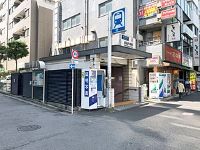
小生東京の地理は詳しくは知らないので、六章に載っていた昭子と京子の会話「どっちの方へいきましたか」「最初は五日市街道へ出たのよ。それから自転車屋の角を右い曲がってね」「ああ青梅街道ですか」をもとにして、『恍惚の人』の立花家の場所についてを想像してみた。
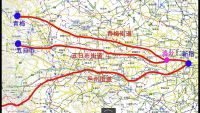
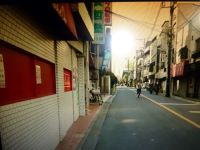 (写真中央に【●●タ自転車】の袖看板が見える。おそらく茂造はこの辺を右折して青梅街道に進んでいったのであろう。とにかくここの南側が五日街道らしい)また、7章の中に杉並区や敬老会館(現在はゆうゆう館)の名前が出てくるので恍惚の人茂造の生きたのは杉並区が舞台であるのは間違いない。
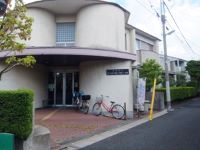 現在の梅里集会所は今から30年弱に建て替えたらしい。写真は松ノ木のゆうゆう館。(杉並区役所藤井さん談)
杉並区立ゆうゆう館(すぎなみくりつゆうゆうかん)とは、東京都杉並区内にある60歳以上を対象にした区立の高齢者向けの施設である。2006年(平成18年)にそれまでの敬老会館の名称をゆうゆう館と変更した。区内に32館あり、その全てを特定非営利活動法人、または株式会社が受託運営している。
『恍惚の人』(こうこつのひと)は、有吉佐和子の日本の長編小説。英語名は「The Twilight
Years」。1972年に新潮社から「純文学書き下ろし特別作品」として出版され、1973年には森繁久彌主演で映画化された。この当時、日本の平均寿命は男性が69歳。女性が74歳。65歳以上の高齢者は7%にすぎなかったが、日本では健康学や医学の進化により100歳まで生きている人間たちが増加している。
ここで最近のデーターを調べてみたい。
�T 高齢者の人口
高齢者人口は 1950 年以降初めての減少 一方、総人口に占める高齢者人口の割合は
29.1%と過去最高。
我が国の65歳以上の高齢者(以下「高齢者」といいます。)人口は、1950年以降、一貫
して増加していましたが、2023年9月15日現在の推計では3623万人と、前年(3624万人)
に比べ1万人の減少となり、1950年以降初めての減少となりました。
一方、総人口に占める割合は29.1%と、前年(29.0%)に比べ0.1ポイント上昇し、過
去最高となりました。 男女別にみると、男性は1572万人(男性人口の26.0%)で、前年に比べ1万人の減少、
女性は2051万人(女性人口の32.1%)で、前年と同数となり、女性が男性より479万人多
くなっています。また、人口性比(女性100人に対する男性の数)をみると、15歳未満で
は105.0、15〜64歳では103.0と男性が多いのに対し、65歳以上では76.6と女性が多くなっ
ています。
75 歳以上人口が初めて 2000 万人を超える 10
人に 1 人が 80 歳以上となる 。
高齢者人口を詳しくみると、�@70歳以上人口は2889万人で、前年に比べ20万人増、�A75歳以
上人口は2005万人で、前年に比べ72万人増、�B80歳以上人口は1259万人で、前年に比べ27万 人増となっており、65歳以上人口以外の区分では増加傾向となっています。
なお、75歳以上人口は、前年に比べ72万人増加したことにより、初めて2000万人を超え
ました。この増加幅は、いわゆる「団塊の世代」(1947年〜1949年生まれ)が2022年から
75歳を迎えていることによると考えられます。
総人口に占める割合を詳しくみると、70歳以上人口は23.2%で、前年に比べ0.2ポイン
ト上昇、75歳以上人口は16.1%で、前年に比べ0.6ポイント上昇、80歳以上人口は10.1%
で、前年に比べ0.2ポイント上昇となりました。
80歳以上人口 は、総人口に占める割合が初めて10%を超え、10人に1人が80歳以上と なっています。
男女別では、男性の70歳以上人口が、男性人口の20.1%と初めて20%を超え、男性の5
人に1人が70歳以上となっています。
総人口に占める高齢者人口の割合の推移をみると、1950年(4.9%)以降一貫して上昇が
続いており、1985年に10%、2005年に20%を超え、2023年は29.1%と過去最高を更新して
います。
国立社会保障・人口問題研究所の推計によると、この割合は今後も上昇を続け、第2次
ベビーブーム期(1971年〜1974年)に生まれた世代が65歳以上となる2040年には34.8%、2045年には36.3%になると見込まれています。
これらを念頭において、労働力人口の構成の変化と
今後の女性の地位の 見通しを三菱UFJの経済リサーチを参考にして、『恍惚の人』を読み進めてみたい。
『恍惚の人』第一章に≪、、、、、、、庭続きの家に住んでいる舅たちに届けるつもりなどは買うときには毛頭なかった。毛蟹が二匹も買えるというのは、舅が嫌いぬいていた共働きの功績であった。≫と、ある。
われわれは男は、女性は仕事をしながら食事の用意をすることに何ら疑問を持たず令和の世を迎えてしまっているが男尊女卑の教育はこのことを普通一般常識とした時代に生まれたわれわれは『非色』の中に登場している黒人男性の敗戦国の日本女性に接するスタンスを尊敬する男子ははたして何人存在することであろうか。。文中に、≪、、、、、、あれが明治の男かというものかと小さな忌々しさを覚えていた。≫と書いてあるが、小生もこの明治の男のほうに属する。、、、、、、ただただ反省あるのみ。
(1) 労働力人口の増加に寄与したのは女性と高齢者
わが国の労働力人口(働く意思のある人の数で、就業者と失業者の合計)の前年
差を、男女別および年齢階級別でみたものである。
2012 年からの 5 年間で労働力人口は 155 万人増加し、その中で女性は
168 万人、高齢者は 212 万人増加した 。
女性と高齢者の労働力人口が増加した背景には、労働需給が急速に引き締まったことがあ
る。すでに一部の業種や地域では人手不足が深刻化しており、少しでも多くの労働力を確保
するために、企業が賃金などの労働条件の引き上げに加え、女性や高齢者でも働きやすい環
境を整えていったのである 。
具体的には、家事や育児の空いた時間で勤務したい人や、体力に自信のない高齢者でも仕
事に就けるよう、短い勤務時間や少ない出勤日数での就業を受け入れるケースが増えている
とみられる。また、資格不要の仕事を切り出すなどして未経験者や無資格者の採用も増
や し たことで、仕事を辞めてから時間が経っていた専業主婦なども就業しやすくなったと考えら
れる。同時に、産休、育休の制度が整備され、
退職を余儀なくされる女性が減ったことも 労働参
加率を押し上げてきたものと考えられる。
(2) 労働力人口 は 2023 年まで 増加が続く
引き続き上昇していくと考えられる。今後期待される施策として、長時間労働の是正、テレ
ワークや副業・兼業の普及・促進、保育施設の拡充や産休・育休制度の拡充、働く場所や時
間を柔軟に選択できる制度の導入などが挙げられる。この中には、働き方改革の推進によっ
て大きく後押しされるものもあるだろう。女性が子育てや介護と仕事を両立できる環境が今
以 上 に 整 う こ と で 、女 性 の 生 産 年 齢 人 口 の 労 働 参
加 を 押 し 上 げ る だ ろ う 。高 齢 者
に つ い て は 、 定年延長が検討される企
業が増えてくる 2 ほ か 、就 業 時 の 年 齢
制 限 が 緩 和 さ れ た り 、短 時 間 勤
務がさらに受け入れられるようになることが労働参加の追い風となるだろ
う 。 こ れ以降の推計では、以上のような雇用環境の変化により、女性や高齢者を中心に労働参
加が進んでいくことを前提とする 。 男性は、すで
に非常に高い水準となっている 1 5〜 6 4 歳では緩やかな上昇にとどまると見込まれる。一方、
6 5 歳以上では、団塊の世代の高齢化進展という人口構成の変化を背景に一度は低下するもの
の、上昇余地は大きく、高齢者の労働参加の進展とともに上昇していくと予想される。
女性では、 1 5〜 6 4 歳 、 6 5 歳以上ともに
2012 年前後から 2017 年まで大きく上昇している。
今後は、1 5〜 6 4 歳 で は 、次 第 に ペ
ー ス は 緩 や か に な る も の の 上 昇
が 続 き 、2030 年には 76.1% ま で上 昇
す るだ ろ う 。高 齢 者 では 男 性 よ り
も早 い ペ ース で の 上 昇が 続 き、2030
年には 22.6% に達すると見込まれ る 。 以上のように、労働参加率は全体的に上昇が見込まれる。しかし、
1 5〜 6 4 歳 の 2030 年 の 労働力人口は、人口減少を背景に
2017 年から 237 万人減少すると考えられる。人口は男女とも年間約
2 8 万人ずつ 3 減少し、労働参加率の 上昇ペースが緩やかな男性の労働力人口は、
2017 年 の 3288 万人から 2030 年には 3079
万 人 まで減少するだろう。一方、労働参加率の大幅な
上昇が見込まれる女性でも、2017 年 の 2610
万人から 2020 年まで上昇した後、 2030 年には
2581 万人まで減少すると見込まれる 。 生 産年齢人口とは対照的に、
6 5 歳以上の労働力人口は 2017 年から 2030
年の間に 212 万 人 増 加 す る と 予 想 さ
れ る( 図 表 4 右 図 )。こ れ は、男女とも人口が増加し続ける中で労働参加率
も上昇するためであ る 。
(お問い合わせ)調査部 TEL:03-6733-1070
E-mail:chosa-report@murc.jp 調査部 研究員
土志田るり子三菱UFJ
この中で拘泥すべきはUFJ銀行の土志田氏のいう、女性が子育てや介護と仕事を両立できる環境が今
以 上 に 整 う こ と でとある。このことは明治生まれの平塚らいてうや与謝野晶子たちのかかげたことと同じことであろうか。こんにち日本では(堺市をのぞく)アメリカのようにジェンダー平等論運動がいきわたっていないことを意味している。すなわち、男であれ女であれ、体力的な差は別に置き、男が専業主婦の役目を果たし、女が職を得て男と同等に稼ぐ。ちなみに小生の取引先では、このジェンダー平等論の影響で、「女のくせに」「男のくせに」といった言葉が禁句になっているようである。しかるに、管理職に女性参入がわれわれ市民一般に好結果をもたらす能力を判断できるのはわれわれ市民の一般階層だけである。
�U 明治のおんな
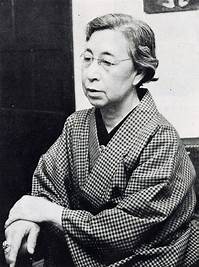 詳しくはhttps://www.nhk.or.jp/school/player/img/im_over_pause.pngを参考にされたい。
「元始、女性は実に太陽であつた。真正の人であつた。今、女性は月である。他に依つて生き、他の光によつ
て輝く、病人のやうな蒼白い顔の月である。」 ――青鞜発刊に際して―― 平塚 らいてう
.jpg) 詳しくはQRコードで!
詳しくはQRコードで!
 男女平等教育を唱え、「国の学校令によらない自由で独創的な学校」日本で最初の男女共学を成立させる。晶子は学監として女子教育を実践した。
 茂造古き昭和のよき時代を回想し豊島園まで放浪
 「
「
昭子は鳥かごを抱えたままペタンと座り、すると昭子の胸でホホジロが羽をばたつかせ、ちょっとうめいた。その拍子に涙が目から噴きこぼれたが、自分が泣いていることに気が付いたのはそれから随分後のことだった。昭子は鳥籠を抱きしめ、いつまでもそうして座っていた。」16章
12月3日「有吉佐和子作品読書会」恍惚の人』の感想
参加者のなかにいた大学教授のお一方は『恍惚の人』は単行本を持参、解説者の「殺してしまえばいい」との発言に拘泥され、そして、単行本を手に取られて、増刷が100刷をはるかに超えたベストセラー小説であることに注目されていました。この事実は、当時のひとびとが、いかに自分たちの高齢化社会に感心があったのかを証明するものであります。『恍惚の人』の収益で1974年に建てたとされる、出版元の新潮社の別館ビルは「恍惚ビル」と呼ばれた。
有吉佐和子さんが『恍惚の人』を世に出されたころ、日本人の平均寿命は男性が69歳、女性が74歳。そして、65歳以上の高齢者は総人口の7%にすぎなかったが、彼女はこの作品を発表した理由として考えられることは、当時から未来のシルバーデモクラシーということと真剣に対峙されていた作家であることは否めませんが、国民のコンセンサスを醸し出し、その作品が令和の今日の時代に実践的な結論にてわれわれに提起していただいたと思うのです。つまり、『恍惚の人』の問題提起を無視し続けたわれわれが、敗戦後の驚異的な発展の果実を感受していたのみで、その豊かさを将来にリスクヘッジしなかったことが最大の原因として考えられることです。
【朝日新聞デジタル】によると、
2023年9月18日、総務省の高齢者65歳以上の人口統計によると、9月15日時点で、3623万人、総人口に占める割合が29.1%で、80歳以上は1259万人で初めて減少に転じた。現在65歳を迎えているのは、47〜49年に生まれた「団塊の世代」以後の世代で、比較的人口が少ないことが影響している。
しかし、団塊の世代が大きな塊となっている75歳以上では前年比72万人増の2005万人で、初めて2千万人を超えた。団塊の世代は全員が75歳以上になるため「高齢者の高齢化」がさらに進む。また、社会全体に高齢化傾向がさらに進む団塊の世代の次に大きな塊となっている71〜74年生まれの「団塊のシニア」世代が65歳以上になる2040年には、総人口に占める割合は、34.8%(国立社会保障人口問題研究所の推訂)いなる見込みだ。この世代こそ、この本と真摯に対峙じていただきたい。
参加者の中から。「古さを感じない」 「梅里に住んだことがあった」 「姥捨て山伝説を思い出した」 「この小説を男性の立場にたって書いてみれば如何か」 「『丹羽文雄介護の日々』の紹介」 「死にざまは生き方を繁栄していない」 「茂造の人物像は完成したものであり、茂造自身に焦点は合わせてはいないのが残念」 「茂造の介護い奔走する長男の嫁の姿は当時、女性が男性にたいして声をあげることが出来なかった悲しい時代であった」 「町田康・田辺聖子・川本三郎などの作家の名前があがった」
次回読書会は、2024年2月4日(日) AM10 『三婆』と『美っつい庵主さん』
【読書のてびき】
『恍惚の人』であるが、これが発表された1972年の日本は、田中角栄の「日本列島改造論」によって地価が高騰し常軌を逸脱した土地ブームに沸いていた。その翌年にはニクソンショックがやってくるのだし、経済優先によって起きた公害は深刻な状況になっていたが、まだ国民のほとんどは、高度成長の夢を追っていた。そんな時代に『恍惚の人』は、家庭内の深刻な問題として、主として女性が担ってきた問題を社会に提示したのである。こんにちの認識からすればさなざまな感想がおもちのごとく、再考する余地があろうが、当時こうした素材で、しかも読ませる小説を書けるのは有吉佐和子以外には見当たらなかった。そして、この作品は前途のごとく驚愕のベストセラーとなる。
そして、家父長制度への欺瞞は、『華岡青洲の妻』」にもあったし、『三婆』にもあった。そこに『美っつい庵主さん』を加えてみてはいかがなものか。人の金銭欲をあらわにした『三婆』と、『美っつい庵主さん』の尼寺の生活を並べるのは奇異に思われるかもしれないが、ともに現行の家族制度に依拠しない女性の共同生活が展開している。
『美っつい庵主さん』で、ひと夏をそこで過ごした都会の若者の、「ね、尼寺が失恋して入るところだなんて嘘っぱちね」「うん寺の実態は非常に生活的なんだな」という会話に現れ、期待はずれな思いは読者にも共有されたかもしれないが、人は実際に、年中恋に煩悶しているわけではない。人の感情というものは他にもさまざまにある。しかし、恋愛のみを特権化する傾向は、異性愛を疑わず、(最近はジョンダー平等運動がさかん)性を通して人間を描くことに熱中してきた日本の近代文学にも責任の一端がみられる。まして作家の多くが男性であったから、恋愛小説は、見られる対象としての女性が描かれ、流布された。『美っつい庵主さん』にも、若い昌妙尼にかすかな心のゆらぎが見られるものの、それは庵主に静かに見守られており、それも含めて明秀庵の「生活」というものは続いていく気配である。異性愛あり、結婚あり、家庭ありを条件としての「生活」という神話は、ここでは機能していない。
宮内淳子さんは、有吉佐和子について、「彼女は恋愛神話には冒されていない作家である。だから花柳界を舞台にした小説でも、そこは女性の職場として「生活的」に描かれている。客に接する仕事である以上、男女間の葛藤は避けられないものの、そのことで主人公は、芸を磨いたり自立してゆこうとする意志を放棄したりはしない。『芝桜』か、むしろ妻として家のなかで生きることのほうが、たとえば『華岡青洲の妻』のような、むごい結末を描き出さねばならない仕儀となった。それに対し『美っつい庵主さん』の尼寺では、小さな口げんかはあっても、お互いの存在を排除しあうような「女同士の争い」は有り得なかったのである。と、述べている。
・『地歌 三婆』 講談社文芸文庫より
明秀庵の尼さん
・明秀庵主
昌光尼70歳 ・栄勝尼 巨怪すぎる。 ・智道尼 智円の10年先輩。 ・智円尼 紀州漁村出 飯炊き上手。
・昌妙尼20歳 応量器 県立大1年生。